 Semiahmoo Siding
 Birch Bay's Exterior Climate, in Plain Terms
Birch Bay sits right on the water in Whatcom County, and that location shapes what a home's exterior has to deal with year-round. It isn't one big weather event that wears a house down out here — it's the steady combination of salt-laden air coming off the bay, long stretches of driving rain and wind through fall and winter, and shaded, damp conditions that let moss and algae take hold on roofs, siding, and decking. Homes a few blocks from the water often show wear patterns that inland Whatcom County homes simply don't see at the same age.
None of this means Birch Bay is a bad place to own a home — it just means the exterior materials and installation details matter more here than they do in a drier, more sheltered part of the county. A siding job that would be fine in a protected inland neighborhood can fail early on a bay-facing wall if it wasn't built for salt exposure and sustained moisture.
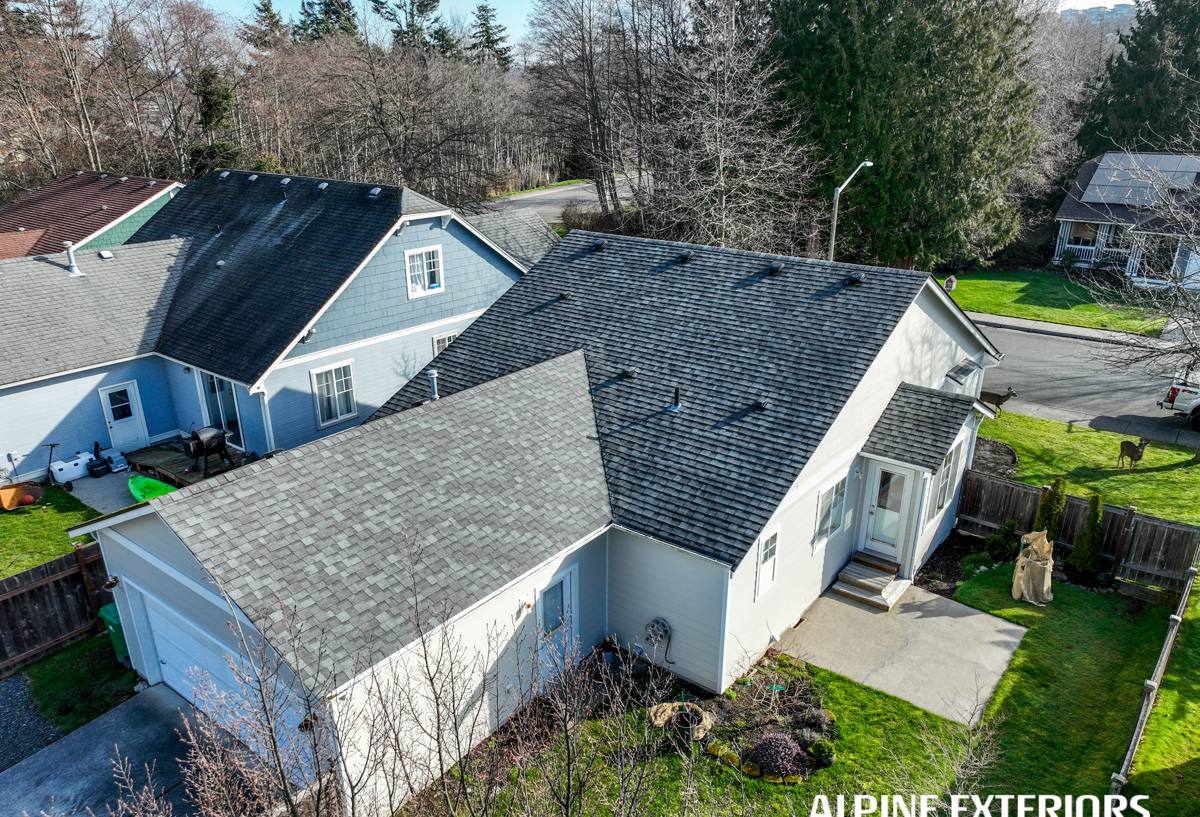
What Salt Air Actually Does to a Home's Exterior
Salt air is corrosive to metal and hard on organic materials. Fasteners, flashing, and trim pieces that aren't rated for coastal exposure can corrode faster near the water, which is why the hardware and flashing details on a Birch Bay home deserve the same attention as the siding itself.
How Different Siding Materials Respond
Vinyl siding can chalk, fade, and become brittle faster under sustained salt and UV exposure, especially on south- and west-facing walls that take the most sun and weather. Wood siding and trim absorb moisture readily, and in a salt-air environment that moisture cycle — wetting, drying, wetting again — accelerates rot and finish failure. Fiber cement, by contrast, is dimensionally stable and doesn't absorb moisture the way wood does, which is a large part of why it holds up better in coastal Whatcom County settings.
Driving Rain and Moisture Management
Birch Bay gets its share of wind-driven rain, particularly during fall and winter storms coming off the water. Driving rain doesn't just fall straight down — it gets pushed sideways into wall assemblies, seams, and penetrations. A home's ability to shed that water depends less on the siding material alone and more on what's behind it.
The Details That Matter More Than the Siding Itself
- A properly installed water-resistive barrier (house wrap) behind the siding
- A rain screen gap that lets any moisture that does get behind the siding drain and dry out
- Correct flashing at windows, doors, decks, and roof-to-wall intersections
- Sealed and properly lapped joints, especially at butt seams and corners
- Kick-out flashing where roof lines meet siding, directing water away from the wall
A high-quality siding product installed over a poorly detailed wall assembly will still let water in. This is why we treat the installation system — not just the board — as the actual product we're selling.
Moss: The Slow, Quiet Damage
Birch Bay's tree cover, shaded lots, and persistent damp season create ideal conditions for moss and algae growth on roofs, north-facing siding, decks, and fences. Moss itself doesn't just look bad — it holds moisture against the surface it's growing on, which is a problem for wood siding, wood decking, and roofing underlayment over time. On siding, moss and algae growth is usually a sign that a wall isn't drying out between rain events as fast as it should.
Factory-finished fiber cement siding resists mildew and moss growth better than bare or site-painted wood because the finish is baked on and the substrate itself doesn't feed organic growth the way wood does. That doesn't mean a Birch Bay home never needs a gentle rinse-down — it just means the material isn't actively contributing to the problem.
Why We Install Only James Hardie Fiber Cement Siding
Semiahmoo Siding Company installs James Hardie fiber cement exclusively — we don't install vinyl, LP SmartSide, primed spruce, cedar, or other fiber cement brands. That's a deliberate standard, not a sales preference, and it comes directly from what we see holding up in this climate versus what doesn't.
What Makes Hardie Fit Birch Bay Specifically
James Hardie's HZ product lines are engineered for different climate zones, and the HZ5 line used in this region is built for the wetter, harsher Pacific Northwest coastal climate — including areas with direct salt air exposure. Fiber cement is non-combustible, doesn't rot or delaminate like wood-based products can, and holds its shape and finish through repeated wet-dry cycling far better than vinyl or untreated wood. The ColorPlus factory finish is baked on under controlled conditions, which gives it more consistent, longer-lasting color and moisture resistance than a field-applied paint job — a real advantage on a home taking direct sun and salt spray off the water.
We also stand behind the installation itself: proper clearances, correct fastening, flashing detail, and rain screen application, all following Hardie's published specifications. A lot of what determines whether siding lasts 10 years or 40 years in Birch Bay comes down to whether these details were followed the first time.
How Common Siding Materials Compare in This Climate
| Material | Salt Air / Moisture Resistance | Moss & Algae Resistance | Long-Term Maintenance |
|---|---|---|---|
| James Hardie Fiber Cement | Strong — dimensionally stable, doesn't absorb water like wood | Good — factory finish resists organic growth | Occasional wash, no repainting for many years |
| Vinyl | Fair — can chalk, fade, and become brittle under sun and salt | Fair — can trap moisture at seams and behind panels | Low, but limited to no repair once damaged or discolored |
| Untreated Wood / Cedar | Weak — absorbs moisture, prone to rot near the water | Weak — feeds moss and mildew growth | Frequent repainting, sealing, and spot repairs |
| Primed Spruce / Engineered Wood | Moderate — vulnerable at cut edges and fastener points if not sealed correctly | Moderate — better than raw wood but still organic-based | Regular inspection of edges and seams for moisture intrusion |
Beyond Siding: Roofing, Windows, and Decks for the Same Conditions
Because salt air, driving rain, and moss affect the whole exterior of a home — not just the walls — we also handle roofing, windows, and decks for Birch Bay homeowners, with the same climate in mind.
Roofing
Roofs facing prevailing wind and rain off the bay take more direct water exposure and are more prone to moss buildup on shaded slopes. Proper underlayment, flashing, and ventilation matter as much here as the roofing material itself.
Windows
Window flashing and sealing is one of the most common failure points we find on older Birch Bay homes — water finds its way in around poorly flashed window openings long before it ever gets through the siding field. Replacing windows is also a natural time to correct flashing details that may have been done poorly the first time.
Decks
Decks near the water take direct salt spray, standing moisture, and heavy moss growth on shaded boards. Material choice and proper drainage underneath the deck surface both matter for longevity.
Signs a Birch Bay Home's Exterior Needs Attention
- Green or black staining building up on siding, especially on north-facing or shaded walls
- Soft, spongy, or visibly swollen siding boards or trim
- Peeling or bubbling paint on wood siding or trim
- Rust streaking near fasteners, flashing, or hardware
- Visible gaps or cracking at siding seams, corners, or window trim
- Moss buildup on roof slopes, decks, or fence tops
Any one of these is worth a look before it turns into a bigger repair. Moisture problems in coastal environments tend to accelerate once they start, rather than staying stable.
Why a Local Crew Matters Here
A crew that works Whatcom County's coastline regularly understands which walls take the worst of the weather, where moss tends to build up fastest, and how local wind and rain patterns actually behave — not just what a general installation manual says. That local knowledge shows up in small decisions: where extra flashing attention goes, which side of the house needs a closer look, how a rain screen is detailed for a specific lot's exposure. It's the difference between siding that's installed correctly on paper and siding that's actually built for the way weather hits that particular home.
Get a Free, No-Pressure Estimate
If you're noticing wear on your Birch Bay home's siding, roof, windows, or deck — or you just want an honest read on how your exterior is holding up against the salt air and rain — we're happy to take a look. Use the form below to request a free estimate, with no pressure and no obligation.