 Semiahmoo Siding
 Siding Built for Ferndale's Climate, Not Just Its Curb Appeal
Ferndale sits close enough to the water and the Nooksack lowlands that its homes take on a specific mix of weather stress: salt-tinged air drifting in off the Strait of Georgia and Bellingham Bay, long stretches of driving rain through fall and winter, and a moss season that can run half the year on shaded north- and west-facing walls. None of that is dramatic on any given day. It's the accumulation that wears exteriors down — and it's why siding decisions here should be made with Whatcom County's actual weather in mind, not a generic product spec sheet.
We're a local exterior contractor working the Semiahmoo and greater Whatcom County area, and Ferndale is regularly on our schedule. We install siding, roofing, windows, and decks, but siding is where we've drawn the firmest line on what we will and won't put on a house — and that line is worth explaining before you hire anyone for a Ferndale project.
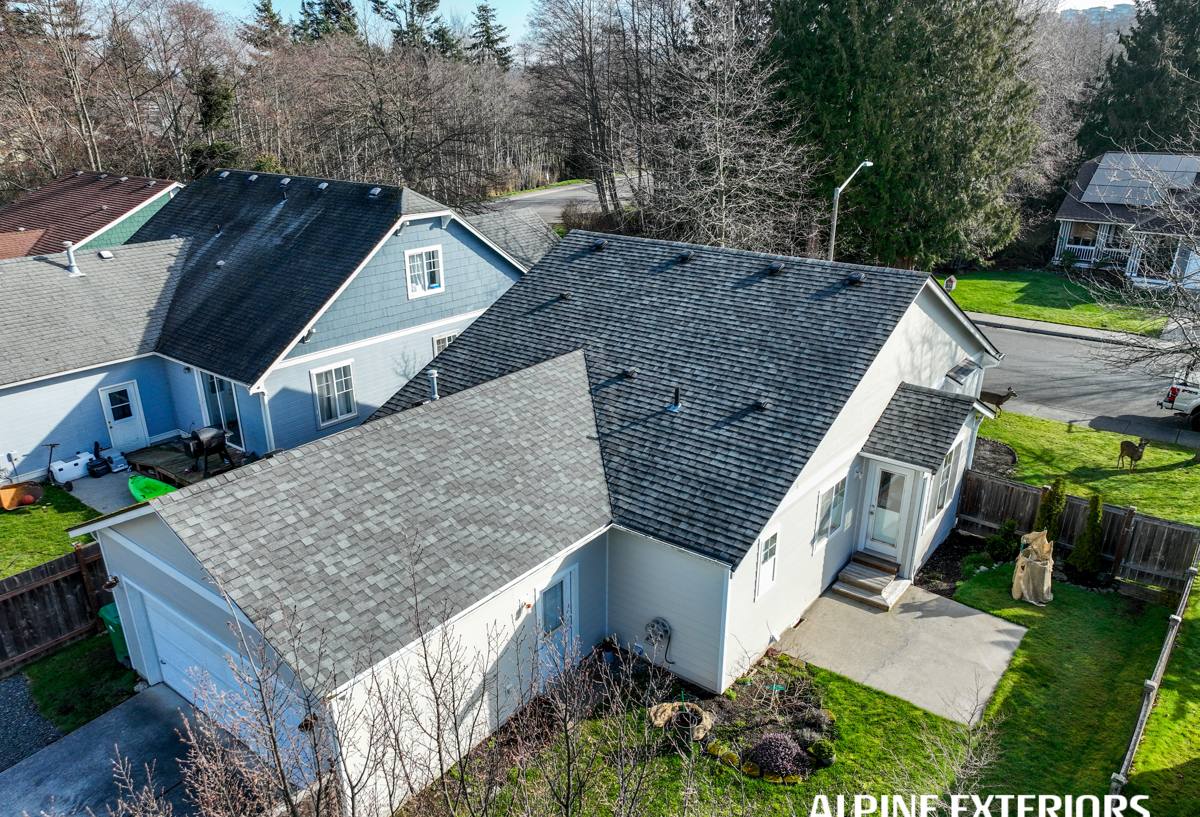
What Ferndale Homes Actually Face
Salt Air and Moisture Together
Proximity to Semiahmoo Bay and the Strait means airborne salt is a real factor for homes on the western and northern edges of Ferndale, less so as you move inland toward the I-5 corridor. Salt exposure by itself is manageable. Combined with the Pacific Northwest's chronic damp — fog, drizzle, and saturated ground for months at a time — it accelerates corrosion on fasteners and trim, and it speeds up the breakdown of finishes that weren't engineered for coastal conditions.
Driving Rain and Wind-Driven Wetting
Storms coming off the water don't just fall straight down here; wind pushes rain sideways into wall assemblies, which puts real stress on siding laps, seams, and butt joints. A siding product and installation detail that works fine in a drier inland climate can behave very differently when it's regularly asked to shed wind-driven rain for days at a stretch.
Moss, Shade, and Slow-Drying Walls
Ferndale's tree cover and cloudy winters mean plenty of wall surfaces — especially north sides and anything tucked under eaves or mature trees — stay damp longer than they would in full sun. That's exactly the environment where moss and algae take hold, and where any siding material with a weaker moisture tolerance starts to show swelling, staining, or soft spots years before it should.
Why We Only Install James Hardie Fiber Cement
We don't install vinyl, LP SmartSide, Cemplank, Allura, primed spruce, or cedar siding. That's a deliberate professional standard, not a marketing position, and it comes down to how these products perform over a decade or two of Whatcom County weather rather than how they look on installation day.
- Vinyl handles moisture fine but can warp or crack in temperature swings and offers little protection against wind-driven rain finding its way behind loose panels.
- Engineered wood products like LP SmartSide are wood-based at the core — well-manufactured, but still dependent on caulking, paint maintenance, and cut-edge sealing staying perfect indefinitely in a climate that doesn't forgive gaps.
- Cedar and primed spruce are real wood, and real wood in a wet, moss-prone climate means an ongoing cycle of refinishing, sealing, and watching for rot at every joint and fastener.
- Other fiber cement brands (Cemplank, Allura) are legitimate competitors to Hardie on paper, but we've standardized on one manufacturer so our crews install to one spec, one warranty structure, and one set of climate-engineered products we know cold.
James Hardie manufactures fiber cement siding specifically engineered for different climate zones, and its HZ5 product line is built for the Pacific Northwest's combination of moisture and temperate but wet winters. It's non-combustible, holds paint and factory finish far longer than wood, and doesn't feed moss and mildew the way organic wood fiber can. The ColorPlus factory finish is baked on under controlled conditions — a more consistent and durable result than field-applied paint or stain, which matters when a house is going to sit through a Ferndale winter every year for the next thirty.
How Correct Installation Matters As Much As the Product
Fiber cement siding is only as good as the installation behind it. Whatcom County's rain load means flashing details, house wrap integration, proper fastener placement, and correct lap and gap spacing aren't optional refinements — they're the difference between siding that sheds water for decades and siding that traps it. We install to Hardie's published specifications, including the clearances and fastening patterns that keep warranty coverage intact, because a beautiful installation that ignores those details will eventually let moisture in regardless of what material is on the wall.
Details We Pay Attention To
- Proper water-resistive barrier and flashing integration at windows, doors, and penetrations
- Correct fastener type and spacing to avoid split boards and loosening over time
- Adequate clearance from grade, decks, and roof lines so siding isn't sitting in standing moisture
- Sealed and primed cut edges on every field cut, not just factory edges
- Lap and joint spacing that accounts for material movement without opening gaps for wind-driven rain
Comparing Siding Options for a Ferndale Home
| Material | Moisture/Salt Air Tolerance | Maintenance Burden | Typical Lifespan Here |
|---|---|---|---|
| James Hardie Fiber Cement | Engineered for PNW moisture, non-combustible | Low — factory finish holds up, occasional wash | 30+ years to end-of-warranty |
| Vinyl | Moisture-resistant but panels can loosen or warp | Low, but limited repair options when damaged | 15-25 years |
| Engineered Wood (LP SmartSide) | Good if edges stay sealed; vulnerable if maintenance lapses | Moderate — caulking and paint upkeep required | 20-30 years with diligent upkeep |
| Cedar / Primed Spruce | Absorbs moisture, prone to moss and rot in shade | High — recoating and rot inspection needed regularly | 15-25 years, shorter in damp/shaded areas |
What This Means for Your Roofing, Windows, and Decks Too
Siding doesn't fail in isolation. A roof that's shedding water properly, windows that are flashed and sealed correctly, and a deck that isn't dumping runoff against a wall all affect how long your siding actually lasts. Because we handle all four trades, we look at a Ferndale property as one connected exterior system rather than a siding job that ignores what's happening at the roofline or around window openings. If your roof is due for attention or your deck framing shows signs of moisture damage, it's worth addressing during the same project rather than after new siding goes up.
Why a Local Crew Matters for This Kind of Work
Whatcom County's coastal-influenced weather isn't uniform even across a small area — a lot inland from Semiahmoo Bay dries out differently than one exposed to wind off the water, and shaded, tree-covered properties in Ferndale need different moisture management than open, sun-exposed ones. A crew that works this specific area regularly recognizes those differences on sight: where moss buildup signals a drainage or ventilation issue, where salt exposure calls for extra attention to fasteners and trim, and where a house has been fighting the same wet wall for years without anyone addressing the root cause. That local pattern recognition is hard to replicate for a contractor passing through from outside the region.
What to Expect From a Ferndale Siding Estimate
A proper estimate for a Ferndale home should include a walk-around inspection looking at moss and moisture patterns, current siding condition and any rot or soft spots, flashing and trim condition around windows and rooflines, and an honest read on whether a full re-side or targeted repair makes more sense. Anyone quoting a Ferndale project without walking the actual exterior and checking the shaded and water-exposed sides of the house is skipping the part that matters most in this climate.
Questions Worth Asking Any Contractor Quoting Your Ferndale Home
- Do you install to the manufacturer's published fastening and clearance specifications?
- How do you handle flashing integration at windows and doors during a re-side?
- What's included in the product warranty versus your own workmanship warranty?
- How do you address existing moss, staining, or moisture damage before new siding goes on?
- Can you walk me through why you recommend one product over another for this specific house?
Get a Straightforward Look at Your Ferndale Exterior
If you're weighing a siding replacement, or wondering whether moss staining or soft spots on your current siding are cosmetic or structural, we're happy to take a look. There's no pressure and no obligation — just an honest read on where your home stands and what it would take to get it built right for another few decades of Whatcom County weather. Use the form below to request a free estimate.