 Semiahmoo Siding
 Why Siding Estimates Vary So Much
Ask three contractors for a siding replacement quote and you'll often get three different numbers, sometimes wildly different. That's not because someone is padding the bill or someone else is lowballing you. Siding pricing is a function of a lot of moving parts — the condition of what's underneath your current siding, how complex your home's shape is, what material you choose, and how much prep work is actually required to do the job right. Homeowners in Semiahmoo and around Whatcom County have an extra variable most of the country doesn't deal with as heavily: a marine climate that's tough on exterior materials year-round.
This page walks through the real factors that move the price up or down, so you can read a quote and understand what you're actually paying for — not just compare bottom-line numbers.
Size and Shape of the Home
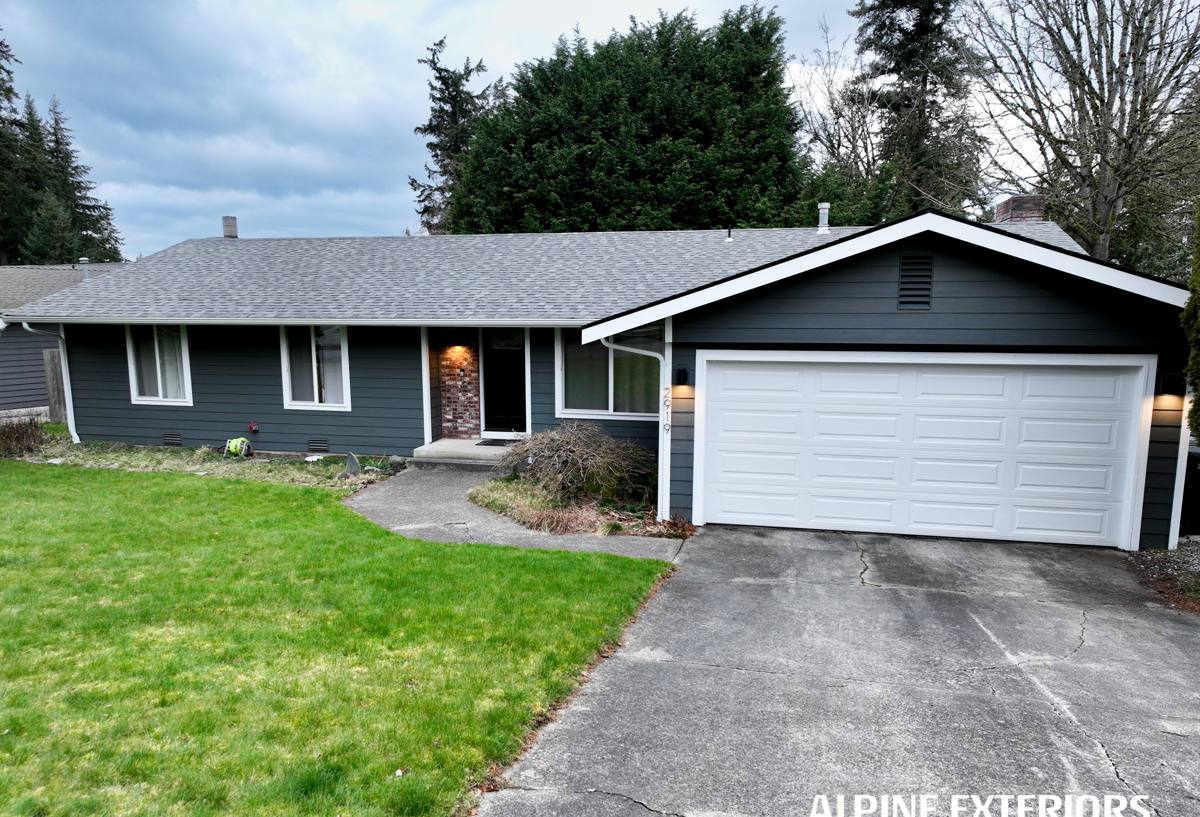
Square footage of wall area is the obvious starting point, but shape matters just as much as size. A simple rectangular ranch with few corners is straightforward to side. A home with multiple gables, dormers, bump-outs, and varied rooflines takes longer to measure, cut, and flash correctly — and that labor time shows up in the estimate.
Story Count and Access
Two-story and three-story homes cost more per square foot than single-story homes because of the staging, scaffolding, and fall-protection requirements. Steep lots, narrow side yards, and homes close to property lines (common on many Semiahmoo lots) can also slow down material staging and add labor hours that a flat, open lot wouldn't require.
Tear-Off vs. Overlay
One of the biggest cost swings comes down to whether the old siding needs to come off completely or can be built over. We don't recommend installing new siding — especially fiber cement — directly over old siding. Covering problems instead of finding them just delays the reckoning, and it can trap moisture against the wall assembly.
- Full tear-off: Old siding, and often old house wrap or building paper, comes off down to the sheathing. This costs more up front but is the only way to actually see what condition the wall is in.
- Sheathing repair: Once the old siding is off, it's common to find some rotten sheathing, especially around old window flashing, deck ledgers, and lower wall sections. Replacing rotten OSB or plywood adds cost, but skipping it means new siding over a compromised wall.
- New weather-resistive barrier: A new house wrap system, properly flashed at every penetration, is part of doing the job correctly — not an upsell.
Homeowners are sometimes surprised that "just replacing the siding" turns into a bigger scope once the walls are opened up. Getting an honest answer about this possibility before the contract is signed is worth more than a lower initial number.
Material Choice
Material is usually the single biggest line item, and it's also where long-term cost and short-term cost diverge the most. The table below is a general comparison of the main siding categories homeowners in this area consider.
| Material | Upfront Cost | Maintenance | Typical Lifespan Here |
|---|---|---|---|
| Vinyl | Lowest | Low, but fades and can crack in freeze-thaw and impact | Shorter in coastal wind/salt exposure |
| Engineered wood (LP-type) | Moderate | Moderate to high — edge sealing and caulking are critical | Sensitive to sustained moisture exposure |
| Unfinished wood (cedar/spruce) | Moderate to high | High — regular refinishing needed | Depends heavily on upkeep and climate exposure |
| Fiber cement (James Hardie) | Moderate to higher | Low — factory-baked finish, non-combustible | Long, with strong transferable warranty |
We install James Hardie fiber cement exclusively, and we're upfront about why. It costs more than vinyl and is generally priced similarly to or a bit above engineered wood, but it doesn't rely on a field-applied paint job to protect it from moisture the way wood and some engineered products do. In a climate like ours, where wall assemblies see rain, humidity, and salt air for most of the year, that difference in how the material actually holds up matters more than the sticker price on install day.
Local Climate Factors That Affect the Number
Salt Air and Coastal Exposure
Semiahmoo sits right on the water, and salt-laden air accelerates the breakdown of fasteners, caulking, and any finish that isn't factory-cured. Homes closer to the shoreline often need corrosion-resistant fastener upgrades and more attention to flashing details, which can add modestly to labor and material cost but pays off in fewer callbacks down the road.
Driving Rain and Wind-Driven Moisture
Whatcom County storms don't just drop rain straight down — wind pushes it sideways into wall assemblies, especially on exposed elevations. Proper flashing at windows, doors, and butt joints is non-negotiable here, and it's part of why a rushed installation costs homeowners more in the long run than it saves in the short run.
Moss and Prolonged Dampness
Our long moss season means anything organic-friendly on an exterior wall — bare wood, certain caulks, debris buildup at trim details — gets a head start on holding moisture against the house for months at a time. Siding and trim details that shed water cleanly and dry out quickly are worth more here than in a drier climate.
Labor and Installation Quality
Fiber cement, in particular, is installation-sensitive. It has specific requirements around fastening patterns, clearances above grade and roof lines, joint treatment, and caulking that differ from what many crews are used to with vinyl or wood. A crew that cuts corners on these details can install the same board we do and still end up with a wall that fails early from trapped moisture or improperly sealed joints. Labor cost differences between contractors often reflect real differences in crew training, not just profit margin.
Permits and Code Requirements
Depending on scope, siding replacement may require a permit, particularly if sheathing or structural repairs are involved. Permit and inspection costs are usually a small piece of the total but should be included in any legitimate quote rather than handled off the books.
Hidden Costs Homeowners Don't Always Expect
- Rotten sheathing or framing discovered once old siding comes off
- Old, non-code-compliant flashing around windows and doors that needs to be redone
- Dumpster and disposal fees for tear-off debris
- Trim, fascia, and soffit repair or replacement alongside the siding
- Detached structures (garages, sheds) that get bundled into the same project for efficiency
None of these are automatic — a well-maintained home may not need any of them. But a quote that doesn't at least address the possibility, with a clear process for handling it if it comes up, is missing an important piece of the picture.
Thinking About Cost Over the Life of the Siding, Not Just the Install Date
The cheapest quote on install day isn't always the cheapest siding over 20 or 30 years. Repainting a wood or engineered wood exterior every several years, replacing cracked or faded vinyl panels, or dealing with moisture damage from a product that didn't hold up to sustained coastal exposure all add real cost over time — cost that doesn't show up on the original invoice. This is a big part of why we standardized on James Hardie: a factory-applied finish that's warrantied against fading and peeling, a non-combustible material, and a product line engineered for climates like ours (HardiePlank HZ5 and similar products are built with this region's weather in mind) tend to add up to a lower total cost of ownership, even when the upfront number is higher than the cheapest alternative.
A Simple Checklist Before You Sign a Contract
- Confirm whether the quote includes full tear-off or overlay, and get that in writing
- Ask what happens, cost-wise, if rotten sheathing is found once old siding is removed
- Get the specific material, product line, and color system named in the contract
- Ask who pulls permits and confirm that's included
- Ask about fastener type and flashing details, especially for homes near the water
- Compare warranty terms — manufacturer warranty and workmanship warranty are two different things
- Get everything in a written, itemized proposal — not just a single lump-sum number
If you're trying to figure out what your own project will actually cost, the most reliable way is to have someone walk the house and look at the specific conditions involved. We offer free, no-pressure estimates for homeowners in Semiahmoo and throughout Whatcom County — happy to walk through the numbers and explain exactly what's driving them for your home.