 Semiahmoo Siding
 What Allura Fiber Cement Actually Is
Allura makes a genuine fiber cement siding product — cellulose fiber, sand, and portland cement pressed and cured into planks, panels, and trim. That's the same basic recipe James Hardie uses, and it's a real step up from vinyl or untreated wood in terms of fire resistance, rot resistance, and dimensional stability. If a customer asks us whether Allura is a "bad" product, the honest answer is no. It's a legitimate fiber cement manufacturer with a real factory, real testing, and a real warranty program.
So this isn't a page about a product being junk. It's a page about why, after years of installing siding on homes across Whatcom County — from Semiahmoo Bay out toward Blaine and Birch Bay — we made a business decision to install one fiber cement brand and stand fully behind it, rather than carry two or three brands and split our attention, our stock, and our warranty relationships across all of them.
Where Allura Gets It Right
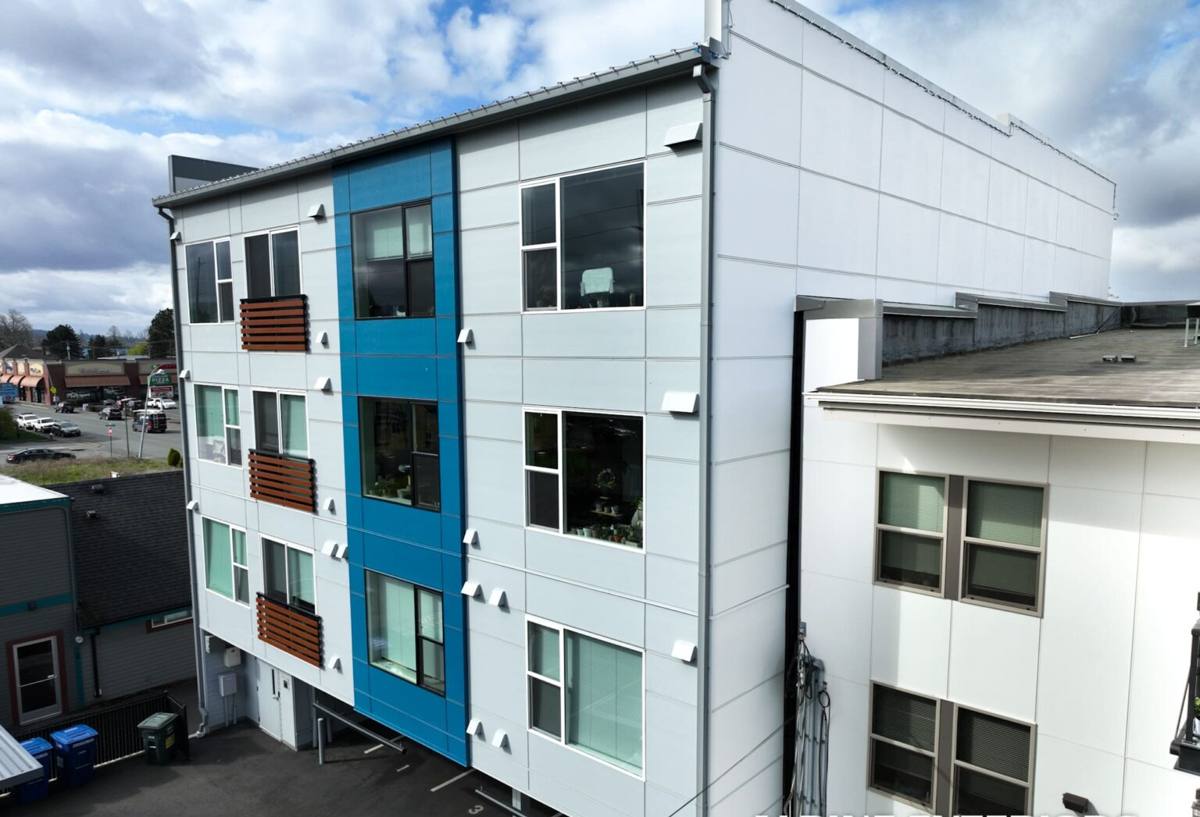
Credit where it's due. Allura's core lap siding and panel products perform the fundamental jobs a fiber cement product needs to perform: they don't burn like vinyl melts, they don't feed termites or carpenter ants like untreated wood, and they hold paint and caulk far better than vinyl over the long haul. Their product line covers lap siding, vertical panels, and trim boards, and their published warranties are in the same general range homeowners expect from a modern fiber cement manufacturer.
If a homeowner already has Allura siding on a home we're asked to repair or partially replace, we're not going to tell them it needs to be ripped off the house. We'll work with what's there when it makes sense. The issue is what we choose to put on a home when we're the ones speccing the whole job from scratch.
Not a Fire-Safety or Structural Concern
To be clear, our reservations about Allura are not about fire safety, structural failure, or moisture intrusion in any dramatic sense. Both major fiber cement brands meet the same baseline non-combustible standards. The differences that matter to us are quieter — they show up five, ten, or twenty years down the road, not on install day.
Why We Don't Install It Anyway
Regional Supply and Color Matching
James Hardie has invested heavily in Pacific Northwest distribution and dealer stock for decades. That matters more than it sounds like it should. When a homeowner in Semiahmoo needs a few replacement boards after a tree limb comes down in a winter windstorm, or a contractor needs to patch in siding around a new window, having the exact color and profile sitting on a local supplier's shelf — not on backorder from a regional distribution center — is the difference between a same-week repair and a six-week wait with mismatched color in the meantime. Allura's presence in this specific corner of Washington is thinner, and that gap tends to show up exactly when a homeowner needs it least.
Factory Finish Track Record
Both manufacturers offer factory-applied color finishes, but Hardie's ColorPlus system has the longer real-world track record in wet, low-sun climates like ours — the kind of environment where a factory finish either holds its color and adhesion for fifteen-plus years or it doesn't. We've had enough years watching Hardie's finish perform on Whatcom County homes that we're comfortable warranting our labor around it. We don't have that same depth of local, weathered evidence for Allura's finish line, and we're not willing to install something on a customer's home and vouch for a result we haven't personally watched hold up through our specific rain and salt-air cycle.
Warranty Backing and Contractor Programs
Hardie backs its installer network with a manufacturer-recognized preferred-contractor program that ties workmanship warranties to specific installation standards we're trained and audited against. That structure gives homeowners two layers of protection — the product warranty and a labor warranty that the manufacturer itself has a stake in. Allura's contractor programs are less built out in our region, which means less of that manufacturer-level backing standing behind the installation itself, not just the board.
What a Mismatch Actually Costs a Homeowner
The trade-offs above aren't abstract. Here's how they tend to play out over the life of a siding job:
| Factor | Allura | James Hardie (our standard) |
|---|---|---|
| Core material | Fiber cement | Fiber cement |
| Local stock depth in Whatcom County | Thinner, longer lead times on some profiles | Well-stocked through established regional dealers |
| Factory finish track record in wet PNW climates | Limited local weathered history | Decades of observed performance |
| Climate-specific engineered product line | General-purpose lines | HZ5 zone product engineered for this climate |
| Manufacturer-backed installer program | Limited regional presence | Preferred-contractor program tied to install standards |
| Warranty transferability | Varies by product line | Clearly published, transferable to one subsequent owner |
None of these differences will show up on a walkthrough the week the job finishes. They show up when a homeowner sells the house and a buyer's inspector asks about the warranty, or when a repair is needed and the exact color isn't sitting on a shelf thirty minutes away.
Why James Hardie Is What We Put on Homes Instead
Climate-Engineered for This Exact Environment
Hardie makes region-specific product formulations, and the HZ5 line is engineered for climates that see the kind of moisture cycling Whatcom County gets — driving rain off the Strait, damp winters, and the long stretch of the year when moss and algae have every opportunity to take hold on a north-facing wall. That's not marketing language we're repeating uncritically; it's the reason we standardized on one brand instead of stocking whichever fiber cement happened to be cheaper that quarter.
ColorPlus Factory Finish
A factory-baked finish, applied and cured under controlled conditions, consistently outperforms field-painted siding in adhesion and color retention — especially in a climate where a field-applied coat has to cure through our shoulder-season damp and low light. Hardie's ColorPlus finish is backed with its own dedicated finish warranty, separate from the product warranty on the board itself.
Warranty and Transferability
Hardie's warranty structure includes clear, published transferability language, which matters to homeowners who plan to sell within the warranty period — not a small consideration in a coastal market like Semiahmoo where turnover happens.
What Semiahmoo's Climate Actually Does to Siding
Semiahmoo sits right on the water, and that proximity to Semiahmoo Bay and Drayton Harbor means salt-laden air is a constant, low-grade stress on every exterior surface on a home — fasteners, trim, and siding finish alike. Add Whatcom County's driving winter rain, which hits west- and south-facing walls at an angle rather than falling straight down, and a long moss and algae season on shaded north sides, and you've got a climate that punishes any siding product with a weak factory finish or a fastening system that isn't installed to spec. This is exactly the environment Hardie's HZ5 line was built to handle, and it's exactly the environment where we've watched factory finishes with less regional track record struggle to keep up.
Questions to Ask Before Choosing Any Fiber Cement Product
Whether you go with us or another contractor, these are the questions worth asking before signing off on a fiber cement siding job in this area:
- Is the color factory-baked or field-painted, and what's the separate warranty on the finish itself?
- How readily can matching boards and trim be sourced locally five or ten years from now?
- Is the installer part of a manufacturer-recognized program tied to that specific product's install standards?
- Is the product line engineered for a specific climate zone, or is it a general-purpose formulation?
- Is the warranty transferable to a future buyer, and under what conditions?
- What does the manufacturer require for fastener type, clearance, and caulking in a high-moisture, coastal environment?
Our Standard, Not a Knock on Every Alternative
We want to be straightforward about this: refusing to install Allura is a business decision about depth of expertise and manufacturer support in our specific region, not a claim that every home with Allura siding is at risk. Plenty of fiber cement products perform fine when installed to spec. We simply chose to go all-in on one system — the training, the warranty relationships, the local supply chain, and the years of watching it perform on real Whatcom County homes — rather than spread that expertise thin across several brands.
If you're weighing siding options for a home in Semiahmoo or anywhere in Whatcom County, we're happy to walk through what we'd actually recommend for your specific house, exposure, and budget — no pressure, no upsell script. Reach out for a free estimate and we'll give you a straight answer, whether that answer is Hardie or just an honest assessment of what your current siding still has left in it.