 Semiahmoo Siding
 Living on Drayton Harbor: A Different Kind of Weather Test
Homes around Drayton Harbor sit in one of the more exposed pockets of Whatcom County's exterior climate. The water is close, the wind carries salt off Semiahmoo Bay, and the marine layer keeps humidity high for long stretches of the year. That combination puts more stress on a home's exterior than most inland Whatcom neighborhoods ever see. We've worked on enough houses in this area to know that "good enough" siding somewhere else in the county often isn't good enough here.
This page is about what that exposure actually does to a house, and what we do differently because of it.
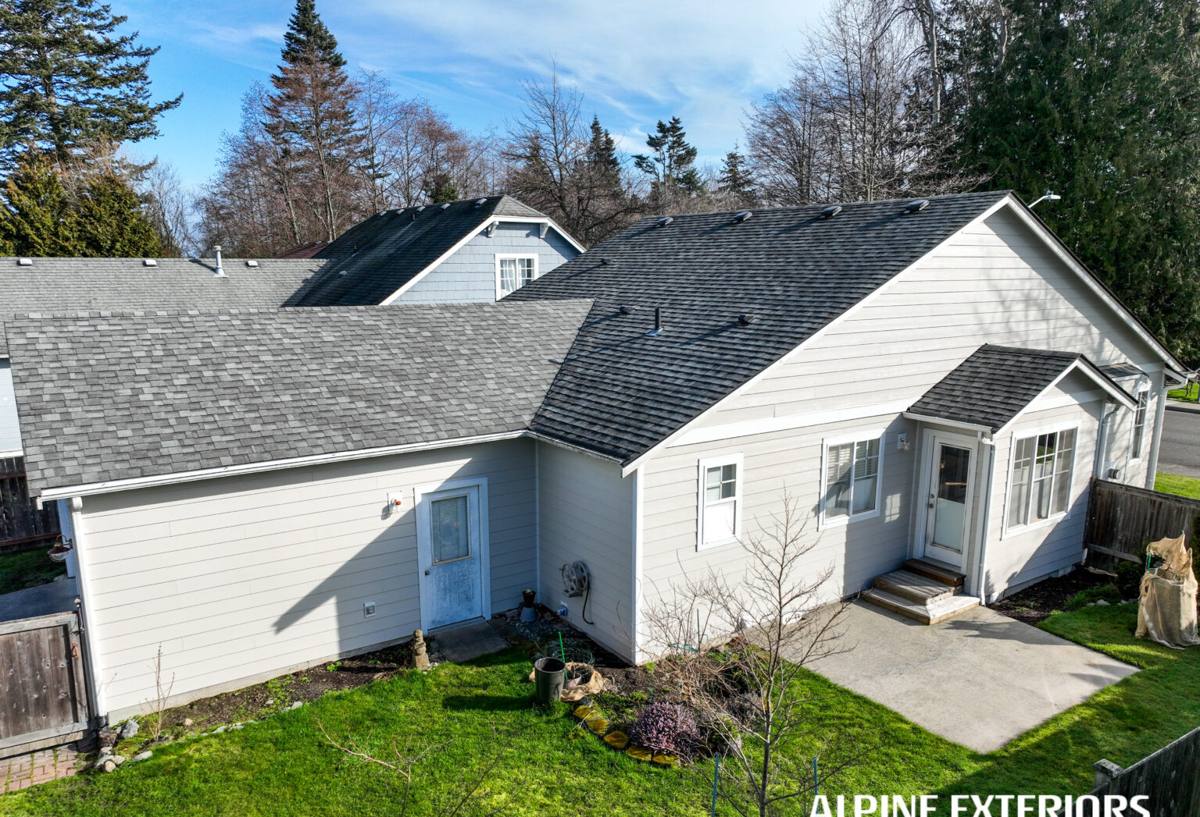
What Salt Air and Marine Moisture Do to a Home's Exterior
Three things define the Drayton Harbor exterior environment, and all three compound each other:
Salt-Laden Air
Airborne salt from the harbor and bay settles on siding, trim, fasteners, and roofing metal. Over years, it accelerates corrosion in exposed metal fasteners and can leave a fine residue that holds moisture against a surface longer than it otherwise would. Materials and finishes that aren't built to handle a coastal environment tend to show wear faster here than they would twenty or thirty miles inland.
Driving Rain
Storms off the Strait push rain sideways, not just down. That matters because a lot of siding failures aren't caused by rain hitting a wall — they're caused by rain being driven up under laps, around trim, and into seams that were never designed to handle wind-driven water. A home's exterior here needs to shed water that's coming at it from an angle, not just from above.
A Long Moss Season
Cool, damp, and shaded conditions for much of the year make this excellent territory for moss and algae growth. On roofs, moss holds moisture against shingles and can lift them over time. On siding, algae staining is mostly cosmetic but is a good early indicator of a surface that's staying wet longer than it should — which is worth paying attention to, because whatever's making the algae comfortable is also stressing the material underneath.
Siding Materials: How They Hold Up Near the Water
We get asked a lot why we don't offer more siding options. The honest answer is that we looked hard at how different materials perform in exactly this kind of environment, and we standardized on the one that holds up best without high-maintenance babysitting.
| Material | Salt Air / Corrosion | Moisture & Moss Resistance | Maintenance Burden | Typical Longevity |
|---|---|---|---|---|
| Vinyl | Doesn't corrode, but can fade, warp, and become brittle from UV and temperature swings | Traps moisture behind panels if not detailed correctly; seams are a moisture entry point | Low, but limited repair options once damaged | Variable; performance drops with age and sun exposure |
| Wood composite (e.g. LP SmartSide) | No metal corrosion issue, but is an engineered wood product | Wood-based core is moisture-sensitive; edge sealing and caulking are critical and ongoing | Moderate to high; requires diligent recaulking and paint upkeep | Depends heavily on installation and upkeep discipline |
| Cedar | Natural material, no corrosion, but absorbs moisture | Prone to moisture uptake, staining, and moss/algae growth without regular treatment | High; refinishing, sealing, and moss treatment on a recurring cycle | Can last decades with consistent maintenance; declines quickly without it |
| James Hardie fiber cement | Non-combustible, dimensionally stable; not affected by salt corrosion the way metal is | Engineered moisture and climate resistance (HardieZone HZ5 for this region); factory-cured ColorPlus finish resists moss staining better than raw wood | Low; occasional wash-down, no recoating cycle with ColorPlus | Long service life backed by a strong transferable warranty when installed to spec |
No siding material is completely maintenance-free, and we won't tell you otherwise. But in a coastal, high-moisture, moss-prone environment like Drayton Harbor, the gap between fiber cement and the alternatives is real and it shows up over time, not just on install day.
Why We Install Only James Hardie Fiber Cement
We don't install vinyl, LP SmartSide, Cemplank, Allura, primed spruce, or cedar. That's a deliberate standard, not a lack of options. James Hardie is fiber cement — a mix of cement, sand, and cellulose fibers — which makes it non-combustible and dimensionally stable in ways wood-based and vinyl products aren't. For a marine climate specifically, a few things matter most:
- Climate-engineered product lines. Hardie's HZ5 formulation is built for the wetter, harsher climate zones like ours, rather than a one-size-fits-all product used everywhere in the country.
- Factory-applied ColorPlus finish. The color and protective coating are baked on in a controlled factory process, which holds up to fading and moisture better than field-applied paint, and it means no repainting cycle for the life of the finish.
- Non-combustible core. Not a moisture issue specifically, but a real advantage over wood-based and some composite sidings, and something more homeowners are asking about.
- Transferable warranty backing. A meaningful warranty structure gives you and future buyers real protection, not just marketing language.
We're upfront that fiber cement costs more upfront than vinyl and is heavier and more labor-intensive to install correctly than most alternatives. We think that trade-off is worth it for a house that's going to sit near salt water and get rained on sideways for half the year. That's our professional judgment, and it's why we've built our business around one product installed correctly rather than a menu of cheaper options installed to a lower standard.
Roofing, Windows, and Decks: The Rest of the Envelope
Siding doesn't work in isolation — it's one piece of a home's exterior envelope, and the other pieces face the same climate pressures.
Roofing
Moss growth and driving rain are as hard on a roof as they are on siding. Proper flashing, ventilation, and moss-resistant materials matter more here than in drier parts of the state, and a roof that's failing quietly can undermine the siding and framing below it before you notice a leak indoors.
Windows
Window flashing and sealing take on outsized importance in a driving-rain environment. A well-installed window with poor flashing detail is one of the more common hidden sources of water intrusion we find when we open up a wall in this area.
Decks
Outdoor living space near the harbor deals with the same salt air and moisture exposure as the siding above it. Material choice and proper drainage detailing matter for keeping a deck structurally sound and looking good year after year.
Handling all four trades under one crew means the details at the transitions — where roof meets wall, where window meets siding, where deck ledger meets house — are coordinated by people who understand how they're supposed to work together, instead of being split across contractors who each assume the other handled it.
What a Proper Installation Looks Like Here
Fiber cement performs the way it's supposed to only when it's installed to manufacturer spec, and that matters more in a demanding climate than in a mild one. On a Drayton Harbor project, that typically includes:
- Correct water-resistive barrier and flashing sequencing behind the siding, not just at the surface
- Proper fastener type and spacing — the wrong fastener corrodes faster in salt air and can void warranty coverage
- Adequate clearance between siding and grade, decks, and roof lines to avoid trapping moisture
- Correctly sized gaps and sealed joints at trim, corners, and penetrations to handle wind-driven rain
- Attention to caulking and sealant choice suited for a marine environment
Skipping any one of these doesn't usually cause an obvious problem on day one. It shows up two, five, or ten years later as moisture damage, premature wear, or warranty claims that get denied because the installation didn't meet spec. That's a big part of why we're selective about the crews doing this work.
Choosing a Local Contractor
Not every exterior contractor understands what a coastal Whatcom County property actually needs. Before hiring anyone for siding, roofing, window, or deck work near Drayton Harbor, it's worth asking:
- Do they have direct experience with homes in marine or high-moisture environments, not just general siding experience?
- Are they a factory-trained or certified installer for the specific material they're proposing?
- Can they explain their flashing and water-management approach in plain terms, not just "we've always done it this way"?
- What does their warranty actually cover, and is it backed by the manufacturer or just the contractor?
- Are they licensed and insured to work in Washington, and can they provide proof without you having to chase it down?
A local crew that works this stretch of Whatcom County regularly has already seen how these houses age — which details fail first, which ones hold up, and which parts of a home take the brunt of the weather.
Maintenance Through the Seasons
Even with the right materials installed correctly, a Drayton Harbor exterior benefits from a little seasonal attention:
| Season | What to Check |
|---|---|
| Fall | Clear gutters and downspouts before the heavy rain season; check roof and siding for early moss growth |
| Winter | Watch for standing water or ice buildup near rooflines and deck surfaces |
| Spring | Rinse siding to remove winter grime and salt residue; inspect caulking at trim and window edges |
| Summer | Address any moss or algae treatment on the roof; inspect deck boards and fasteners for wear |
None of this replaces a proper inspection every few years, but staying ahead of moss and moisture is one of the cheapest ways to protect the investment in your home's exterior.
A Home's Exterior Should Match Where It Sits
A house a few blocks from Drayton Harbor is doing more work than a house in a sheltered inland neighborhood, even if they look identical from the street. The siding, roofing, windows, and decking all take on more exposure, and the materials and installation practices should reflect that. We built our business around one siding product, installed to spec, because we've seen what happens when that standard slips in a climate like this one.
If you're planning siding, roofing, window, or deck work on a property in or around Drayton Harbor, we're happy to take a look and talk through what your home actually needs. Request a free, no-pressure estimate using the form below.