 Semiahmoo Siding
 Windows in Birch Bay Face a Different Kind of Weather
Birch Bay sits right on the water, and that changes what a window has to survive. Homes here deal with a steady dose of salt-laden air off the bay, wind-driven rain that hits window walls sideways rather than straight down, and a long, damp moss-and-mildew season that can stretch from fall through spring. None of that is unique to any one house — it's just what Whatcom County waterfront living involves. But it means a window that's marketed as "standard" for most of the country can underperform here, especially on west- and south-facing walls that catch the brunt of storms rolling in off the Salish Sea.
When we talk about custom windows in this context, we're not just talking about non-standard sizes for an odd opening, though that's part of it in a lot of Birch Bay's older beach cottages and additions. We're talking about matching the window assembly — frame material, glazing, flashing, and installation detail — to what this specific stretch of coastline actually does to a house over the years.
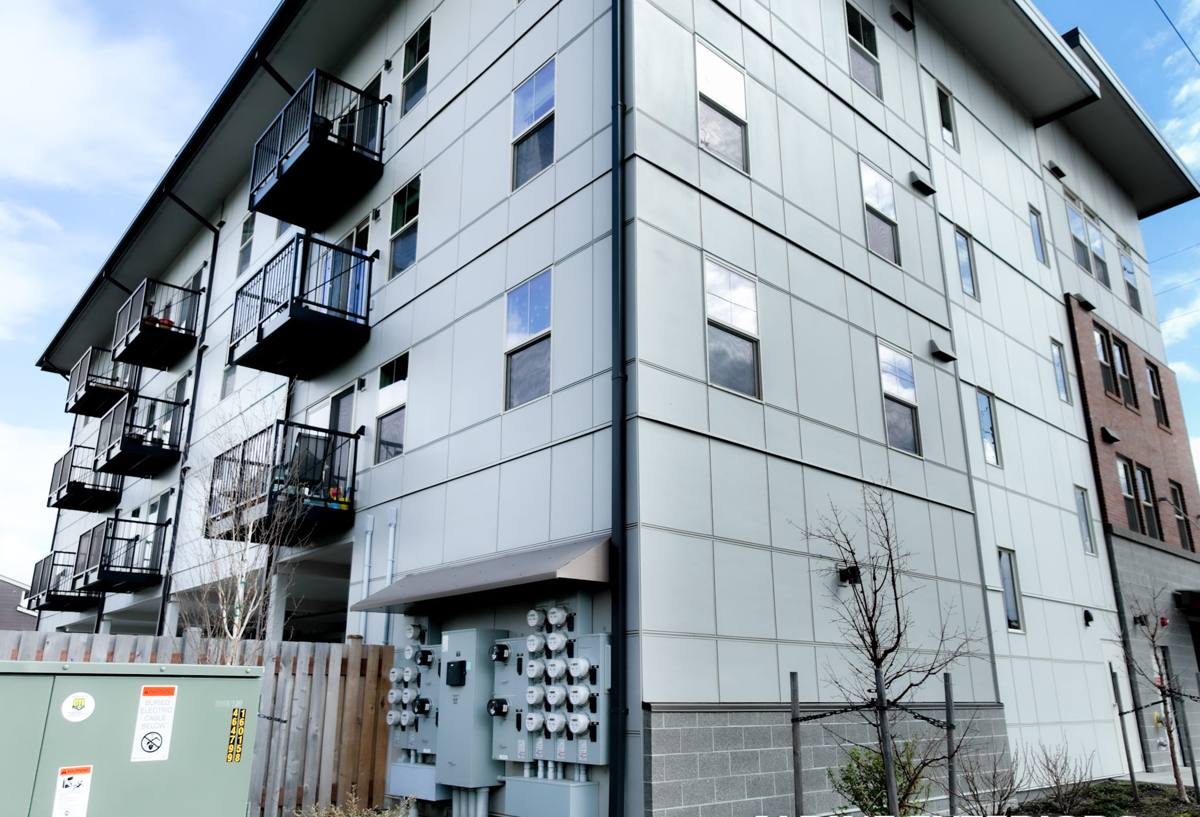
What Salt Air and Driving Rain Do to Windows Over Time
It's worth understanding the failure patterns we actually see in this area, because they shape how we spec and install a job:
- Corrosion on hardware and fasteners. Salt air accelerates oxidation on unprotected metal — hinges, cranks, screws, and cheaper aluminum cladding all show it first.
- Sealant and gasket fatigue. UV, temperature swings, and constant moisture exposure break down weatherstripping and sealants faster than they would inland, which shows up as drafts and water intrusion around the sash.
- Wind-driven water intrusion. Rain that's being pushed sideways by bay winds tests the flashing and sill pan detail, not just the window unit itself. A lot of "bad window" complaints are actually flashing or installation problems.
- Moss and mildew staining. Long damp seasons let moss and mildew take hold on sills, tracks, and any horizontal or textured surface that stays wet, which is both a cosmetic and a maintenance issue.
- Wood rot at vulnerable joints. On older wood-frame windows, corners and sills that don't shed water well are the first places rot starts, especially where paint or finish has worn thin.
None of this means Birch Bay is a hostile place to own a home — it just means the margin for a mediocre window or a rushed installation is smaller here than it is thirty miles inland.
What a Correct Custom Window Job Actually Involves
Frame Material Choices for This Climate
There's no single "right" frame material for every Birch Bay home — it depends on the house's style, budget, and how exposed the wall is. Here's how the common options actually hold up in a marine, high-moisture environment:
| Frame Material | Salt Air / Coastal Performance | Maintenance |
|---|---|---|
| Vinyl | Handles moisture and salt exposure well; won't corrode or rot | Low — occasional cleaning, no painting |
| Fiberglass | Very stable in temperature swings and moisture; strong coastal track record | Low — durable finish, minimal upkeep |
| Aluminum-clad wood | Good exterior protection if cladding and seams are intact; interior wood still needs care | Moderate — watch seams and cladding joints over time |
| Solid wood | Classic look but most vulnerable to rot and moisture damage without diligent upkeep | High — regular refinishing and sealant checks |
| Bare aluminum | Prone to corrosion and condensation issues in salt air over time | Moderate to high — corrosion monitoring |
For most Birch Bay homes we work on, vinyl and fiberglass tend to be the practical choice for exposed walls because they don't give salt air or moisture anything to attack. That said, plenty of homes have wood or clad-wood windows that are original to the house and worth preserving for character — in those cases, the installation detail and ongoing maintenance plan matter even more than the frame material itself.
Glazing and Glass Package
Double-pane, low-E glass with a quality gas fill (typically argon) is the practical baseline for this area — it manages condensation better and helps with the temperature swings between a cold, wet night and a sunny bay-facing afternoon. Homes closer to the water or on upper stories exposed to prevailing wind sometimes benefit from upgraded glazing packages for noise and wind-load performance, but that's a decision we make based on the specific wall and exposure, not a blanket upsell.
Flashing and Installation Detail — The Part That Actually Prevents Leaks
This is the piece that gets skipped by installers in a hurry, and it's the piece that matters most in wind-driven rain. A correct installation includes:
- A properly sloped sill pan so any water that gets past the sash drains outward, not into the wall cavity
- Correctly lapped flashing tape integrated with the house wrap or building paper, shingle-style, so water always sheds downward and outward
- Backer rod and quality exterior sealant at the perimeter, sized and installed for movement, not just caulked over
- Proper shimming and fastening so the frame stays square and the sash operates smoothly for years, not just on install day
A high-end window installed with sloppy flashing will leak. A mid-range window installed correctly, with attention to this detail, will often outperform it. This is where hiring experience with local conditions actually pays off.
Our Process for a Birch Bay Custom Window Project
1. On-Site Assessment
We look at the actual openings — sizes, wall assembly, current window condition, and which elevations take the worst weather. Custom sizing needs (common in older Birch Bay cottages and additions that weren't built to standard dimensions) get measured precisely here, not guessed at.
2. Product Selection Based on Exposure, Not Just Style
We walk through frame material, glazing, and hardware options with the specific wall exposure in mind — a bay-facing wall and a sheltered side wall don't always need the same spec, even on the same house.
3. Removal and Prep
Old windows come out carefully, and we inspect the rough opening for any existing rot, moisture damage, or flashing problems before anything new goes in. Fixing a hidden problem now is far cheaper than finding it after a new window is already sealed in.
4. Installation with Full Flashing Integration
New windows go in with sill pan flashing, properly lapped water-resistive barrier integration, and sealed, shimmed frames — the detail work described above, done the same way every time.
5. Final Check and Walkthrough
We confirm smooth operation, check seals, and walk the homeowner through anything they should know about care in this climate — nothing complicated, just realistic upkeep expectations.
Why Hiring a Crew That Already Works Birch Bay Matters
A window installer who mostly works inland jobs may not think twice about flashing detail on a sheltered, low-exposure wall — and get away with it. That same shortcut on a Birch Bay home facing open water, with driving rain and salt air working against it daily, shows up as a leak or premature hardware failure within a few years. Local experience means knowing which elevations need extra attention, which frame materials hold up without high maintenance, and how to install so the assembly is still performing correctly a decade from now, not just at the final walkthrough.
It also means understanding Whatcom County's building requirements and inspection expectations for window replacement, so the job is done right the first time without surprises.
Simple Maintenance That Extends the Life of Custom Windows Here
- Rinse salt residue off frames and glass periodically, especially on bay-facing windows
- Keep weep holes and drainage tracks clear of debris, moss, and pollen buildup
- Check exterior sealant annually for cracking or separation, particularly after a hard winter
- Wipe down and dry sills during the wettest months to discourage moss and mildew growth
- Operate hardware periodically even on windows you don't open often, so cranks and locks don't seize
Signs Your Current Windows Are Losing the Battle
A few things worth paying attention to, especially heading into another wet season:
- Visible condensation or fogging between panes (a sign the seal has failed)
- Persistent drafts even with the window fully latched
- Soft or discolored wood at the sill or corners
- Hardware that's stiff, corroded, or won't fully lock
- Moss or dark staining that keeps returning no matter how often it's cleaned
Any of these are worth a look before they turn into a bigger repair, especially on walls that take the worst of the bay weather.
Getting Started
If you're weighing a window replacement or dealing with an odd, non-standard opening in your Birch Bay home, we're happy to take a look and give you an honest read on what your house actually needs — no pressure, no upsell. Reach out for a free estimate using the form below.