 Semiahmoo Siding
 Deck Replacement for Custer Homes Near Semiahmoo Bay
If you own a home in Custer, you already know your deck works harder than decks in drier parts of the state. Sitting this close to Semiahmoo Bay and the Strait of Georgia means your outdoor structures deal with salt-laden air, long stretches of driving rain, and a moss season that can run from October clear through May. A deck that was built without those conditions in mind — or one that's simply reached the end of its service life — doesn't just look tired. It can hide rot, weakened framing, and fastener corrosion that aren't obvious until someone puts real weight on it.
We replace decks for homeowners throughout Custer and the greater Semiahmoo area, and the approach we take here is different from what we'd recommend somewhere inland. Below is what actually matters for a deck replacement in this part of Whatcom County, what a correct job looks like, and how we handle the process from first look to final walkthrough.
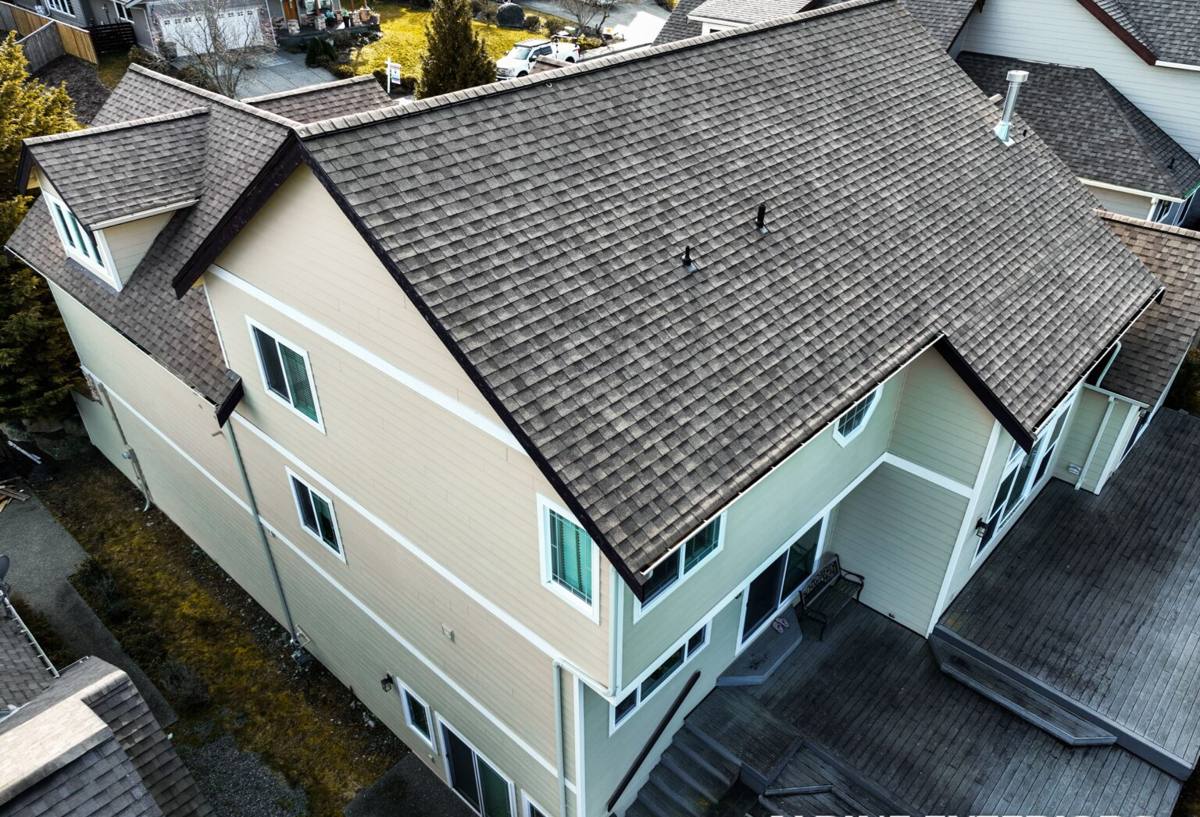
Why Custer's Climate Is Hard on Decks
Salt Air and Metal Fatigue
Homes within a few miles of the bay get a steady, low-level dose of salt in the air. It doesn't take a storm surge to cause damage — salt spray carried on ordinary wind settles on fasteners, flashing, and any exposed metal hardware. Over years, this accelerates corrosion in anything that isn't rated for coastal exposure, and corroded fasteners are one of the most common hidden failure points we find on older decks in this area.
Driving Rain and Moisture Intrusion
Whatcom County's weather pattern brings rain that often comes in sideways off the water, not just straight down. That matters for decks because it pushes moisture into joints, ledger connections, and any gap where water isn't supposed to go. A deck built to a generic spec, without attention to how water actually moves across it here, will trap moisture in the framing long before the surface boards show any sign of trouble.
Moss, Algae, and Surface Degradation
The long damp season means moss and algae get a real foothold on any horizontal wood or composite surface that doesn't drain and dry properly. Beyond being a slip hazard, moss holds moisture against the decking material, which shortens the life of wood surfaces and can void warranties on some composite products if buildup isn't managed. A deck's drainage and airflow design has a direct effect on how much moss problem you'll have five years from now.
Signs Your Custer Deck Needs Replacing, Not Just Repair
- Soft or spongy spots in the decking, especially near the house or around post bases
- Visible rust streaking from fasteners or metal connectors
- A ledger board connection (where the deck meets the house) that's separating, cracked, or shows water staining behind it
- Posts or footings that have shifted, or a deck that feels less rigid than it used to
- Persistent moss or algae that comes back within weeks of cleaning, indicating a drainage problem rather than a surface problem
- Structural framing more than 20 years old, since fastener and framing standards for coastal exposure have improved significantly since then
Repair makes sense when the problem is isolated — a few bad boards, a railing issue, surface wear. Replacement is the honest call when the framing itself, the ledger connection, or the footings are compromised, because patching around a structural problem just delays the real fix and adds cost later.
What a Correct Deck Replacement Involves Here
Ledger and Flashing Details
The connection between the deck and your house is the single most important detail on the entire structure, and it's also the spot most likely to have been done wrong or done to a lower standard on an older deck. Correct flashing at the ledger — installed so water is directed away from the house rather than behind the siding — is non-negotiable in a climate that gets this much sideways rain. We inspect and rebuild this connection on every replacement, not just when it's visibly failing.
Fastener and Hardware Selection
Given the salt exposure in Custer and around Semiahmoo, we use fasteners and structural connectors rated for coastal or corrosive environments, not standard interior-grade hardware. This is one of the cheapest upgrades in the whole project relative to the protection it buys, and it's an area where cutting corners shows up as rust stains and weakened joints within a handful of years.
Framing and Footings
We check post spacing, beam sizing, and footing depth against current code, not just what was there before — older decks in this area were sometimes built to standards that predate current seismic and load requirements. Footings need to be set below frost depth and away from areas where water pools, which we evaluate based on your specific lot's drainage.
Decking Material and Drainage
Whatever surface material you choose, the gaps between boards, the slope of the frame, and the joist spacing all affect how fast the deck sheds water and dries out afterward. A deck that drains well fights moss and rot on its own; one that doesn't will need more maintenance no matter what material sits on top.
Decking Material Comparison for Coastal Whatcom County Conditions
| Material | How It Handles Salt Air & Rain | Moss/Algae Resistance | Maintenance |
|---|---|---|---|
| Pressure-treated wood | Good if properly sealed and re-sealed on schedule; untreated cut ends are a weak point | Moderate — needs regular cleaning | Annual cleaning, periodic sealing |
| Cedar | Naturally rot-resistant but still needs sealing near the water | Moderate to good | Sealing every 1-2 years |
| Composite decking | Very good — doesn't absorb moisture like wood | Good, but surface film buildup can still form and needs occasional cleaning | Low — periodic washing |
| PVC/capped decking | Excellent moisture resistance | Good, similar cleaning needs to composite | Low |
There's no single "best" material for every Custer home — it depends on your budget, how much maintenance you're willing to do, and how the deck is oriented relative to sun and prevailing wind. We'll walk through the honest trade-offs for your specific site rather than push one product line.
Our Deck Replacement Process
- On-site assessment — we inspect the existing deck structure, the ledger connection, footings, and look for moisture damage that isn't visible from the surface
- Honest scope discussion — we tell you plainly whether you need a full replacement, a partial rebuild, or whether repair is genuinely sufficient
- Design and material selection — sizing, decking material, railing style, and drainage plan suited to your home and how you use the space
- Permitting — deck replacements typically require a permit through Whatcom County; we handle that paperwork as part of the job
- Demolition and disposal — full removal of the old structure, checking framing and ledger condition as we go
- Rebuild — framing, corrosion-resistant hardware, correct ledger flashing, footings to code, then decking and railing installation
- Final walkthrough — we go over the finished deck with you, including basic maintenance guidance specific to your material choice and your lot's exposure
Cost Factors for a Custer Deck Replacement
| Factor | Why It Affects Cost |
|---|---|
| Deck size and shape | More square footage and complex angles mean more material and labor |
| Decking material | Composite and PVC cost more upfront than wood but generally cost less to maintain over time |
| Structural condition | Rotted framing, compromised footings, or a bad ledger connection add rebuild scope beyond the surface |
| Height and railing requirements | Elevated decks need more substantial framing and code-required railing systems |
| Site access | Tight lots or decks over difficult terrain add labor time |
| Permitting | Whatcom County permit fees and any required inspections |
We don't quote a number without seeing the site — anyone who does is guessing, and guesses on deck projects tend to turn into change orders once demolition starts.
Why a Crew That Already Works in Custer Matters
Deck replacement isn't a one-size-fits-all trade. A contractor who mainly works inland, away from the water, may not think twice about standard fasteners or a basic flashing detail — and on a dry-climate deck, that might never cause a problem. On a deck a few miles from Semiahmoo Bay, those same shortcuts show up early as rust, rot, and moss you can't get rid of.
We work throughout the Semiahmoo area regularly, which means we already know how the wind and rain behave on bayside lots, which fastener specs actually hold up, and how much drainage slope a deck here really needs. That's the kind of judgment that only comes from doing the work in this specific climate, not from a generic spec sheet.
Ready to Talk About Your Deck?
If your Custer home has a deck that's showing its age — soft spots, rust stains, moss that won't quit, or just a structure you don't fully trust anymore — we're happy to take a look. We'll give you a straight assessment of whether it needs full replacement or something less, along with a free, no-pressure estimate using the form below.