 Semiahmoo Siding
 Windows Built for Drayton Harbor's Marine Climate
Drayton Harbor sits right where the marine air off the Strait of Georgia meets the everyday reality of Whatcom County weather: salt-laden wind, long stretches of driving rain, and a moss season that seems to run longer every year. Windows in this pocket of Semiahmoo work harder than windows almost anywhere else in the state. They're asked to keep heat in during damp, gray winters, keep wind-driven rain out during fall and winter storms, and resist the slow corrosion that salt air causes to hardware, fasteners, and frame seams. A window that's rated fine on paper can still underperform here if it wasn't chosen and installed with this specific exposure in mind.
This page covers what actually matters for energy-efficient window work in Drayton Harbor specifically — not generic window-shopping advice, but the details that separate a window that holds up on the water from one that doesn't.
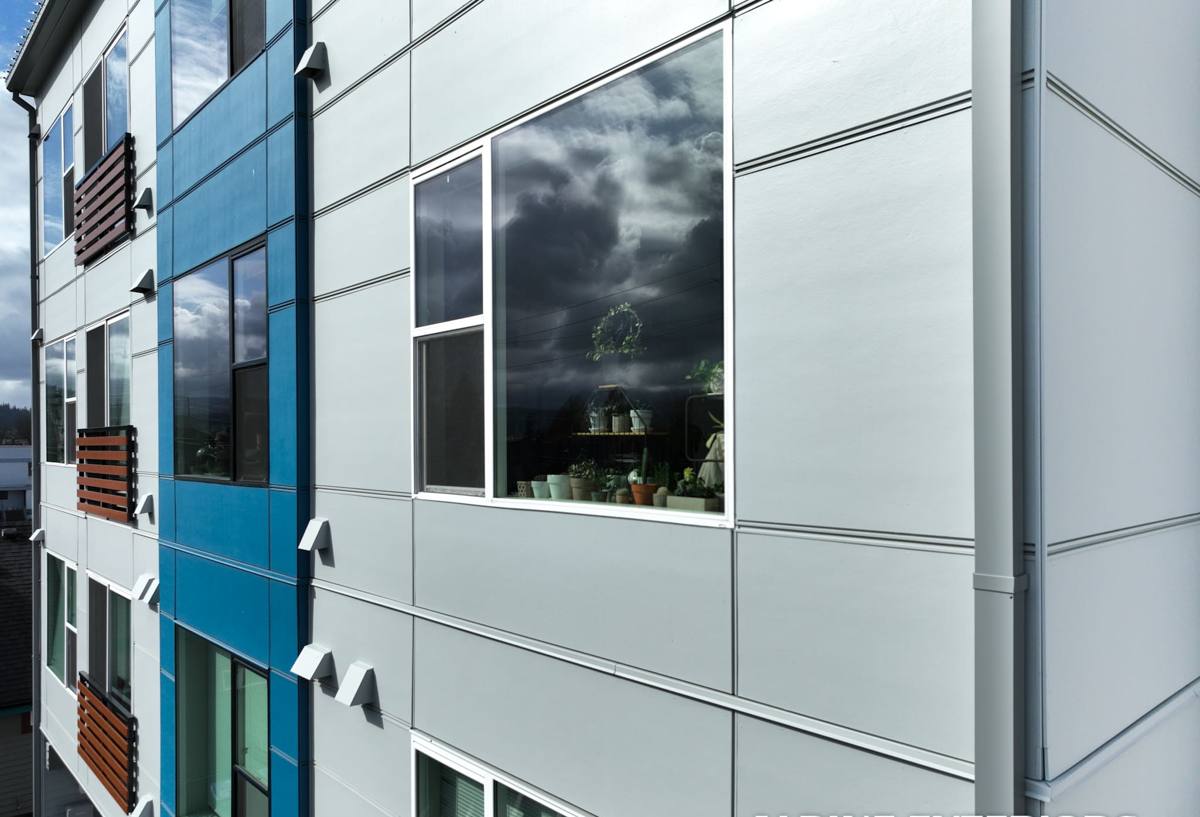
What the Local Climate Actually Does to Windows
Salt Air and Metal Fatigue
Homes close to the harbor deal with airborne salt that settles on every exterior surface. Over years, that salt accelerates corrosion on window hardware — hinges, locks, balance systems, and screws — especially anything made from lower-grade steel or unprotected aluminum. It also degrades weatherstripping and gasket materials faster than the same products would wear in a drier, inland climate.
Driving Rain and Wind Pressure
Storms coming off the water don't just drop rain straight down — they push it sideways into siding and window openings under real pressure. A window that's watertight in a light, vertical rain can still leak under Drayton Harbor's wind-driven storms if the flashing and sill details weren't built for lateral water intrusion.
Moss, Mildew, and Prolonged Dampness
The long wet season here means wood trim, sills, and frame components stay damp for extended periods. Moss and mildew take hold anywhere water is allowed to sit rather than shed. Over time, this constant moisture exposure is what actually rots wood-frame windows and delaminates poor-quality composite materials — not any single storm, but months of low-grade dampness every year.
What "Energy-Efficient" Means in This Specific Climate
Energy efficiency for windows comes down to a handful of measurable numbers, and in a heating-dominated, marine climate like Whatcom County's, some matter more than others.
- U-factor: Measures how well the window resists heat loss. Lower is better. This is the number that matters most here, since our region needs far more heating than cooling.
- Solar Heat Gain Coefficient (SHGC): Measures how much solar heat passes through the glass. In the Pacific Northwest's mostly overcast climate, a moderate SHGC is usually the right call rather than an aggressively low one meant for sunny southern climates.
- Air leakage rating: Lower numbers mean a tighter window, which matters both for energy loss and for keeping wind-driven rain from finding gaps.
- NFRC label: Look for the National Fenestration Rating Council label on any window you're considering — it's the independent, third-party rating, not a manufacturer's marketing number.
| Feature | Why It Matters in Drayton Harbor |
|---|---|
| Low-E glass coating | Reflects heat back into the home during our long heating season without darkening the glass noticeably |
| Argon or krypton gas fill | Adds insulation value between panes; helps offset heat loss during cold, damp winters |
| Warm-edge spacer systems | Reduces condensation risk at the glass edge, which is common in humid coastal climates |
| Double vs. triple pane | Double pane with good Low-E performance is often sufficient here; triple pane adds cost and weight with diminishing returns unless the home has unusual exposure |
| Corrosion-resistant hardware | Stainless steel or coated components hold up far longer against salt air than standard steel |
Frame Material: What Holds Up Near the Water
Frame material affects both energy performance and long-term durability in a salt-air environment.
Vinyl
Vinyl frames are a solid, cost-effective choice for most Drayton Harbor homes. Quality vinyl won't corrode, doesn't need painting, and performs well thermally when properly welded at the corners. The main trade-off is that lower-grade vinyl can become brittle over many years of UV and temperature cycling, so frame quality matters more than the fact that it's vinyl.
Fiberglass
Fiberglass frames expand and contract at close to the same rate as glass, which helps seals last longer, and the material itself resists moisture and corrosion very well. It typically costs more than vinyl but holds paint and finish longer if you want a specific exterior color.
Wood and Wood-Clad
Wood-interior windows with a durable exterior cladding can look great, but in this climate the cladding and flashing details around the frame have to be done correctly, or moisture will find the wood underneath. We treat wood-clad installs as a job where the installation quality matters as much as the product itself — this is our professional standard given how much damp exposure this area gets, not a knock on any manufacturer.
Installation Details That Matter More Here Than Almost Anywhere Else
A high-performance window installed poorly will underperform a mid-grade window installed correctly — this is especially true where wind-driven rain is a regular event.
- Sloped sill pans that direct any water that gets past the window back outside, not into the wall cavity
- Proper flashing sequencing (window flange integrated with the weather-resistive barrier in the correct shingle-lap order)
- Correct sealant selection and placement — sealed where it should seal, and left open where it needs to drain
- Backer rod and low-expansion foam used correctly around the frame perimeter for both insulation and air sealing
- Hardware and fasteners rated for coastal/marine exposure, not standard interior-grade components
- Interior and exterior trim reinstalled with attention to future water shedding, not just appearance
Skipping or rushing any one of these steps is how a brand-new, well-rated window ends up with a moisture problem inside a wall two or three winters later — long after the installer is gone.
Our Process for Drayton Harbor Window Jobs
1. On-Site Assessment
We look at existing window condition, sill and frame moisture, current flashing details, and sun/wind exposure specific to the home's position relative to the water.
2. Product Selection Based on Exposure
We talk through frame material, glass package, and hardware grade based on how exposed the specific side of the house is — a window facing the prevailing wind and rain gets treated differently than a sheltered side.
3. Removal and Opening Prep
Old flashing and any compromised sheathing get addressed before a new window goes in. Installing a new window over a hidden moisture problem just seals that problem inside the wall.
4. Installation and Flashing
Sill pan, flashing, and sealant work is done in the correct sequence so water is always directed outward, never trapped.
5. Final Inspection and Weather Check
We check operation, seal integrity, and trim finish before calling the job done.
Signs Your Current Windows Are Underperforming
Homeowners in Drayton Harbor often notice these before they think to call it a window issue:
- Condensation building up between panes (a sign the seal has failed)
- Visible corrosion or stiffness in locks and hardware
- Drafts you can feel near the frame on windy days
- Soft or discolored trim/sill wood, or moss growing on sills
- Noticeably higher heating bills compared to similar-sized homes nearby
- Difficulty opening or latching windows that used to operate smoothly
What Windows Typically Cost, and Why the Range Is Wide
| Cost Factor | Impact |
|---|---|
| Frame material | Vinyl is generally the most affordable; fiberglass and wood-clad cost more upfront |
| Glass package | Upgraded Low-E coatings and gas fills add modest cost for meaningful long-term energy savings |
| Number of openings | Whole-house replacement typically brings a better per-window price than a few at a time |
| Installation complexity | Homes needing sheathing repair or corrected flashing take more labor than a straightforward swap |
| Hardware grade | Marine-grade hardware costs a bit more but pays off in corrosion resistance near the water |
We give straightforward, itemized estimates so you can see exactly what you're paying for — product, labor, and any prep work the opening needs.
Why a Local Semiahmoo Crew Matters for This Job
Window installation isn't one-size-fits-all, and a crew that works Drayton Harbor and the greater Semiahmoo area regularly already knows which sides of a house typically take the worst wind-driven rain, which product lines have held up well in this specific salt-air environment over time, and how to sequence flashing so it actually sheds water the way it's supposed to. That local pattern recognition is hard to replace with a crew that only passes through occasionally. It's also why we can give an honest read on your home during the estimate instead of a generic sales pitch.
If you're weighing whether your current windows are due for replacement, or just want a straight answer on what a Drayton Harbor home needs from its windows, we're happy to take a look. Reach out for a free, no-pressure estimate using the form below.