 Semiahmoo Siding
 New Roof Installation in Peace Arch: Built for This Stretch of the Border
The Peace Arch area sits at the far northwest corner of Whatcom County, right along the Semiahmoo Bay shoreline near the Canadian border crossing. It's an exposed piece of ground — open to marine wind off the water, close enough to the bay that salt-laden air is a daily fact of life, and shaded in enough spots by mature trees and landscaping that moss has plenty of places to take hold. A roof out here works harder than a roof set back a few miles inland, and it needs to be installed with that difference in mind from the first shingle to the last piece of flashing.
New roof installation is one of the biggest single investments a homeowner makes in a house, and it's also one of the easiest jobs to get wrong in ways that don't show up for a few years. This page walks through what a Peace Arch roof actually needs, what correct installation involves, and how our process works for homeowners in this specific part of Semiahmoo.
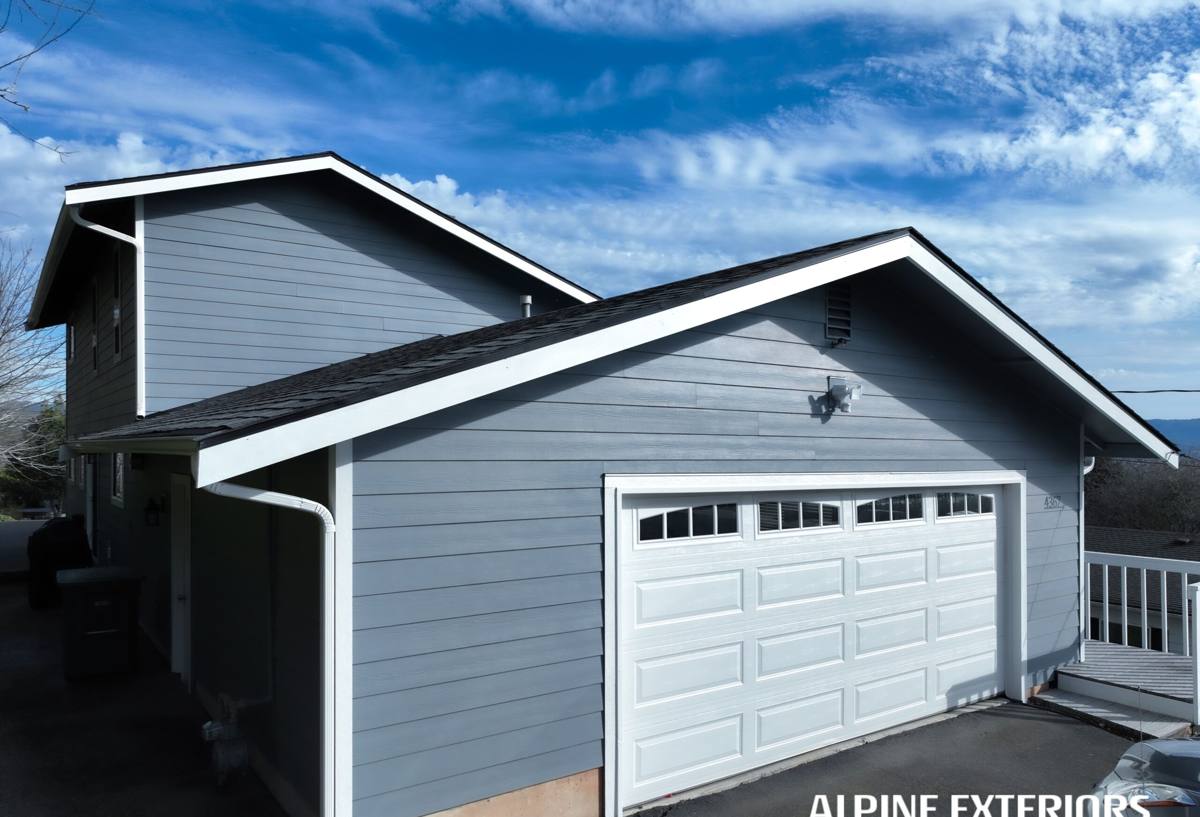
What This Climate Does to a Peace Arch Roof
Salt Air Off Semiahmoo Bay
Proximity to the water means fasteners, flashing, and any exposed metal on a Peace Arch roof deal with more corrosive exposure than the same materials would see a few miles inland. Standard-grade fasteners and thin flashing stock can start showing rust and pitting years before they should, and once a fastener corrodes it stops doing its job of holding roofing material tight against wind uplift. Material selection and hardware grade both need to account for that salt exposure from day one, not get upgraded later after problems show up.
Driving Rain With Little Windbreak
Open exposure near the water means rain here often arrives sideways instead of straight down. That matters most at the details — roof valleys, chimney and vent penetrations, and roof-to-wall transitions — where wind-driven rain finds its way under improperly lapped flashing or thin underlayment far more easily than it would in calmer conditions. A roof that would perform fine on a sheltered inland lot can leak on a Peace Arch property simply because the installation wasn't built for water moving at an angle.
A Long Moss and Algae Season
Mild temperatures and near-constant humidity give moss and algae a growing season that runs most of the year in this part of Whatcom County. Shaded slopes, north-facing planes, and roof sections under tree cover hold moisture the longest and are usually the first places moss establishes. Left unchecked, moss holds water against the roofing surface, works under shingle edges, and can shorten the usable life of an otherwise sound roof by years.
Signs a Peace Arch Roof Needs Replacement, Not Just Repair
Not every roofing problem calls for a full tear-off, and a straight, honest assessment should always come before a replacement recommendation. That said, certain signs point toward replacement rather than another round of patch repairs:
- Granule loss heavy enough to show up regularly in gutters and downspouts, especially on a roof already past two-thirds of its rated life
- Moss or algae damage spread across multiple roof slopes rather than one isolated shaded area
- Soft spots or sagging in the roof deck, which usually means moisture has already reached the sheathing
- Repeated leaks in different locations after multiple prior repairs
- Curling, cracking, or missing shingles across a large portion of the roof rather than a few storm-damaged spots
- Visible daylight or water staining in the attic near roof-to-wall transitions
A roof with one of these issues in an isolated area is often still a repair. A roof showing several of them at once, especially on a home nearing the end of its rated shingle life, is usually addressed more honestly with a full replacement than another temporary patch.
Roofing Materials for a Peace Arch Home
There's no single correct material for every roof — the right choice depends on roof pitch, how much shade the property gets, budget, and how long the homeowner plans to stay in the house. What matters is understanding the real trade-offs for a salt-air, high-moisture property before deciding.
| Material | Salt Air & Moisture Behavior | Typical Maintenance | Realistic Lifespan Here |
|---|---|---|---|
| Architectural asphalt shingle | Performs well with proper ventilation and corrosion-resistant fasteners | Periodic moss removal and flashing checks | 20-30 years |
| Standing seam metal | Sheds water and resists moss buildup due to a smooth, non-porous surface | Low; periodic fastener and sealant inspection | 40-60 years |
| Cedar shake | Absorbs moisture readily; needs airflow underneath to dry between rains | Higher; regular treatment and moss control | 20-30 years with consistent upkeep |
| Composite/synthetic shingle | Resists moisture absorption; performance varies by product line | Low to moderate | 30-50 years depending on product |
We'll walk through which option fits your specific roof rather than defaulting to whatever's easiest to install. A steep, sun-exposed roof plane and a low-slope roof shaded by mature trees don't call for the same answer, even on the same street.
What Correct New Roof Installation Actually Involves
Tear-Off and Deck Inspection
A proper installation starts with a full tear-off down to the deck, not an overlay on top of existing roofing. That's the only way to actually see the condition of the sheathing underneath. Any soft, delaminated, or water-damaged deck sections get replaced before anything new goes down — installing new roofing over a compromised deck just hides the problem for a few more years instead of fixing it.
Underlayment and Ice-and-Water Shield
Given how much sustained moisture this area sees, underlayment choice matters more here than it would in a drier climate. We use synthetic underlayment as the standard water-resistant barrier, with self-adhering ice-and-water shield membrane at vulnerable points — eaves, valleys, and around every penetration — where wind-driven rain is most likely to find a way in.
Flashing at Every Transition
Most roof leaks in this climate don't start with the shingles — they start with flashing that was cut short, poorly lapped, or sealed with caulk instead of properly integrated metal. Chimneys, skylights, vent pipes, and roof-to-wall transitions all get new flashing during a replacement, sized and lapped to shed wind-driven rain rather than just straight-down rainfall.
Ventilation That Lets the Roof Dry Out
A roof deck that can't dry between storms stays damp longer than it should, which accelerates material fatigue and gives moss and mildew an easier foothold. Balanced intake and exhaust ventilation is part of a correct installation, not an optional upgrade, and it's especially important on shaded Peace Arch roof planes that already hold moisture longer than sun-exposed sections.
Our Installation Process
Every new roof installation follows the same sequence, regardless of the material chosen:
- On-site inspection of the existing roof, deck, and ventilation, with a clear explanation of what's found
- Written estimate and material recommendation based on your roof's pitch, shade exposure, and budget — not a one-size-fits-all default
- Full tear-off to the deck, with any damaged sheathing identified and replaced
- Installation of underlayment, ice-and-water shield at vulnerable points, and new flashing at every penetration and transition
- Installation of the chosen roofing material to manufacturer specification
- Final walkthrough covering what was done, what to expect going forward, and any warranty documentation
We put the scope of work and material specifications in writing before anything starts, so there's no ambiguity about what's included.
Roof Replacement Cost Factors
Total cost varies by roof size, pitch, material, and how much deck repair is needed once the old roofing comes off, so we don't quote broad numbers without seeing the roof. The factors that most affect the final price are worth understanding up front:
| Factor | Why It Matters |
|---|---|
| Roof size and pitch | Steeper roofs take longer to work safely and require more material overlap |
| Deck condition | Rot or soft spots found during tear-off add material and labor to replace sheathing |
| Material choice | Asphalt, metal, and cedar carry significantly different material and installation costs |
| Number of penetrations | Chimneys, skylights, and multiple vent stacks each add flashing work |
| Access and layout | Steep lots, limited driveway access, or multiple roof levels affect labor time |
An accurate number only comes from an on-site look at your specific roof — anything given without that is a guess.
Why a Local Peace Arch Crew Matters
A crew that regularly works this stretch of Semiahmoo already knows how salt air, open wind, and a long moss season behave on real roofs here, not just how a shingle performs on a manufacturer's data sheet. That familiarity shows up in specific decisions: which roof orientations near the bay need extra ice-and-water shield, how much additional flashing a shaded valley actually needs, and which fastener grade holds up against sustained salt exposure instead of corroding within a few seasons. It also means someone who treats a Peace Arch roof differently than a roof a few miles inland, rather than applying the same install approach everywhere.
We also handle siding, windows, and decks, and we install James Hardie fiber cement siding as our standard for the same reason we build roofs the way we do — because it holds up to sustained moisture and salt exposure better than lower-cost alternatives. If a roof project turns up moisture damage at a wall-to-roof transition or aging trim nearby, we can address it as part of the same job instead of sending you to find a second contractor.
A Simple Checklist Before Hiring for a New Roof
- Confirm current Washington contractor licensing and active liability insurance
- Ask specifically how they detail flashing at valleys, penetrations, and roof-to-wall transitions
- Get a written scope that names the underlayment, ice-and-water shield, and material specifications — not just "new roof"
- Ask whether tear-off to the deck is included, or whether they're proposing an overlay
- Ask about warranty terms for both material and workmanship, and get them in writing
Get a Free, No-Pressure Estimate
If your Peace Arch home needs a new roof, or you're not sure whether a repair will get you a few more years, we're glad to take a look and give you a straightforward, honest read on what it actually needs. Reach out using the form below to schedule a free estimate — no pressure, no upsell script.