 Semiahmoo Siding
 Why Board & Batten Suits Bellingham Homes
Board and batten has become one of the most requested siding styles in the Bellingham area, and it's easy to see why. The vertical lines read as clean and modern on newer builds, but the style has deep roots in Pacific Northwest farmhouse and craftsman architecture, so it also looks right at home on older Whatcom County properties. It pairs well with the mix of wood, stone, and metal accents common in this region, and it gives a house real depth and shadow line instead of a flat wall of siding.
But board and batten is not a style you can treat casually here. The same wide, flat battens and vertical boards that create that look also create more seams, more fastener penetrations, and more surface area exposed to wind-driven weather than a standard horizontal lap job. In a climate like Semiahmoo's, that difference matters a lot over the life of the siding.
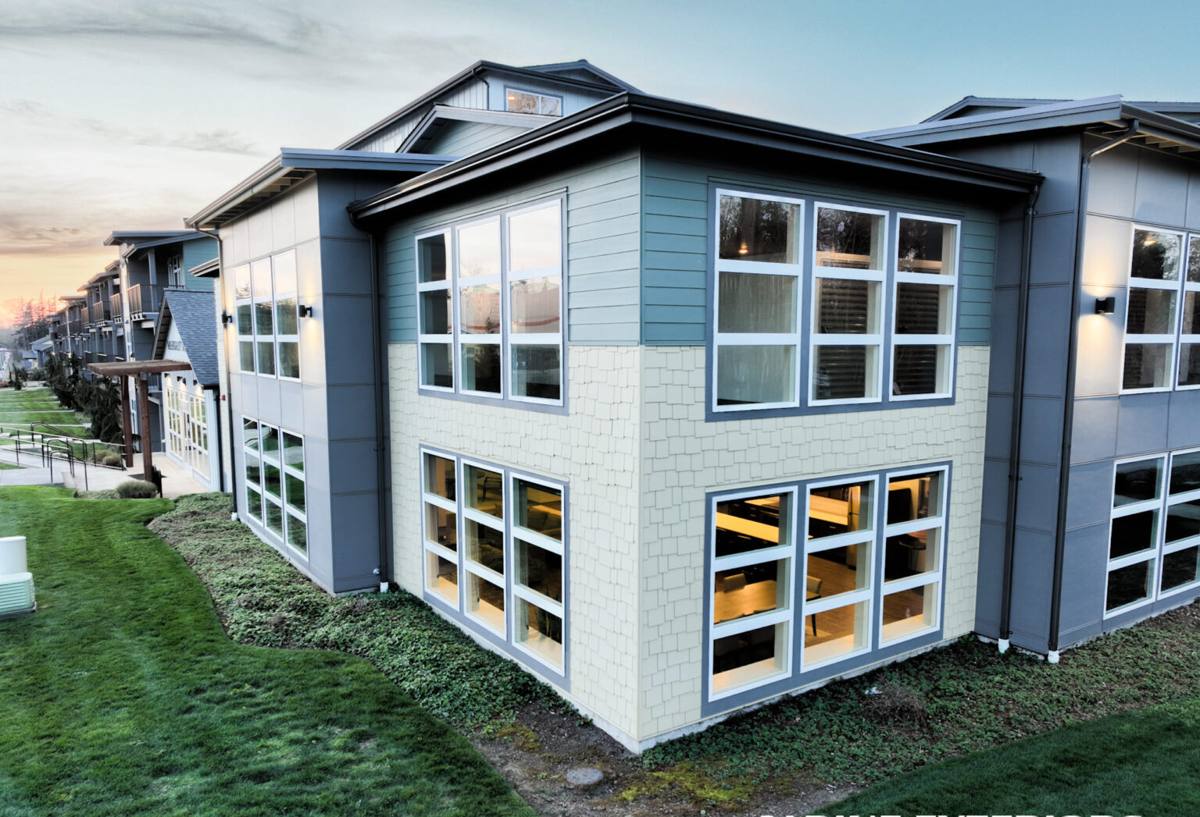
What This Climate Does to Vertical Siding
Semiahmoo sits right on the water, and that proximity shapes everything about how siding ages here. Three factors in particular put board and batten to the test.
Salt Air and Corrosion
Homes close to Semiahmoo Bay and the Strait of Georgia deal with a steady drift of salt-laden air. Salt accelerates corrosion on exposed metal fasteners, flashing, and trim. On a board and batten wall, where battens are typically face-nailed or blind-nailed at regular intervals, fastener quality and placement aren't a minor detail — they're the difference between a wall that stays tight for decades and one that starts showing rust streaks and loosening battens within a few years.
Driving Rain
Whatcom County doesn't just get a lot of rain — a good share of it arrives sideways, driven by wind off the water. Vertical board and batten has more horizontal joints and batten-to-board seams than lap siding, and every one of those seams is a potential path for wind-driven water to get behind the cladding if it isn't detailed correctly. The siding material itself matters less here than the water management behind it, but a material that swells, cups, or degrades when it does get damp makes a bad detail so much worse.
Moss Season
This region's long, damp, low-sun stretch of the year is effectively a moss season, and board and batten's flat, vertical battens give moss and algae plenty of shaded, moisture-retaining surface to colonize, especially on north-facing walls and under roof overhangs. Siding that absorbs moisture feeds that growth. Siding that stays dimensionally stable and sheds water cleanly slows it down considerably.
Why Material Choice Matters More With Board & Batten Than Lap Siding
On any siding style, material choice affects longevity. On board and batten, it's amplified. The battens themselves are usually the first thing to show wear on a poor-quality installation, because they're often thinner stock, more exposed, and more likely to be installed with inconsistent gapping. Wood and wood-composite battens are especially vulnerable to swelling, splitting, and rot at the exposed top and bottom cuts. Vinyl board and batten avoids rot but tends to look visibly synthetic up close and can warp or fade under years of direct sun and temperature swings, which shows more on a flat vertical panel than it does on lap siding's angled profile.
This is a core reason we standardized on James Hardie fiber cement for every board and batten project we take on. It's non-combustible, it doesn't absorb water the way wood-based products do, and it holds its shape and factory finish over time instead of drifting the way vinyl and some engineered wood products can.
What Correct Board & Batten Installation Requires
A board and batten wall that holds up in this climate depends far more on installation detail than most homeowners realize. The material can be excellent and still fail if these details are skipped.
Batten Spacing and Fastening
Battens need consistent, code-compliant spacing over the field boards, with fasteners landing into framing or proper backing — not just into the field board itself. Fastener spacing that's too wide lets battens flutter in wind and work themselves loose over time, which is exactly the failure mode salt air and driving rain will find fastest.
Flashing and Water Management
Every horizontal joint, window head, and transition needs proper flashing and a drainage plane behind the siding, not just caulk at the surface. Caulk is a maintenance item, not a waterproofing strategy — it degrades and needs re-application, while flashing and a correctly lapped weather-resistant barrier keep working whether or not anyone remembers to caulk.
Gaps and Clearances
Fiber cement needs a gap where it meets roofing, decks, and grade, per the manufacturer's installation instructions, to prevent capillary draw and standing moisture at the base of the wall. This is one of the most commonly skipped details on rush jobs, and it's a big reason board and batten installs fail early near foundations and porch roofs in wet climates.
James Hardie's Board & Batten System
James Hardie makes this style achievable with fiber cement in a couple of ways: dedicated vertical panel products designed for board and batten profiles, or individual HardiePanel or HardieTrim boards and battens assembled on site to the same effect. Both approaches use the same engineered fiber cement core and factory-applied ColorPlus finish that James Hardie's lap and shingle siding use, so the wall performs consistently across every style used on the house.
For this region, we spec Hardie's HZ5 product line, engineered for climates with significant moisture exposure, which describes Whatcom County well. ColorPlus finish matters here too — it's baked on at the factory under controlled conditions, resists fading and chipping better than field-applied paint, and means touch-ups are rare rather than routine. The result is a board and batten wall that keeps its color and shape instead of needing repainting every several years, which matters more on a style with this much visible vertical surface.
Comparing Board & Batten Materials
| Material | Moisture Behavior | Appearance Over Time | Maintenance |
|---|---|---|---|
| James Hardie fiber cement | Doesn't absorb and swell like wood; engineered for wet climates | Holds factory finish and crisp lines for years | Occasional wash; no repainting cycle with ColorPlus |
| Vinyl board and batten | Won't rot, but can warp/buckle with heat and age | Can look visibly synthetic; fades unevenly | Low, but panels can crack and are hard to color-match if replaced |
| Wood or engineered wood | Absorbs moisture at joints and end cuts; prone to swelling | Needs consistent refinishing to avoid weathering | Highest — regular painting/staining and rot inspection |
Our Process for Bellingham Projects
We start with an on-site walkthrough of the home, not just a measurement — we're looking at wall orientation relative to weather exposure, existing moisture damage, roofline transitions, and how the current siding (if any) has performed. From there we plan batten layout and spacing to match the home's proportions, confirm flashing details at every penetration and transition, and install the weather-resistant barrier before a single board goes up. Fasteners, gaps, and clearances are set to James Hardie's published specifications, not shortcuts. Because we work this style regularly in the Semiahmoo and Bellingham area, we're not guessing at how local wind and rain patterns should shape those decisions — it's the same climate on every job.
Keeping Board & Batten Siding in Good Shape
- Rinse the exterior once or twice a year to clear salt residue and organic buildup before it feeds moss growth
- Check north-facing and shaded walls each fall for early moss or algae growth and address it before winter rains set in
- Inspect caulking at trim and penetrations annually — caulk is a maintenance item, not a permanent seal
- Keep gutters and downspouts clear so runoff isn't sheeting down battens near roof transitions
- Confirm the gap at the base of the siding stays clear of soil, mulch, or debris buildup over time
- Have any impact damage or loose battens repaired promptly — a small gap is how driving rain gets behind the wall
What Affects Your Cost
Board and batten typically costs somewhat more than standard lap siding in the same material, mainly due to the additional labor for batten layout, spacing, and fastening, plus the extra flashing detail at each seam. Wall complexity — how many corners, windows, and roof transitions the design has — affects labor more than material choice does. Removal of existing siding, any sheathing repair uncovered underneath, and the amount of trim work all factor into a final number as well. We won't throw out a broad range without seeing the house, because on this style in particular, the difference between a straightforward wall and a cut-up one with a lot of transitions is significant.
If you're weighing board and batten for a home in the Bellingham area, we're glad to walk the property with you and put together a straightforward, no-pressure estimate — no obligation, just an honest look at what your walls actually need.