 Semiahmoo Siding
 Roofs in Custer Take a Different Kind of Beating
Custer sits close enough to the water that salt air is part of daily life, and that changes how a roof ages. Combine that with Whatcom County's long wet season, driving rain off the Strait, and shaded, moisture-holding tree cover, and you get a climate that's genuinely harder on roofing than most of the country deals with. Metal fasteners corrode faster. Moss gets a longer growing season to establish itself. Wood-based underlayments and sheathing stay damp longer between storms, which is exactly the condition rot needs.
None of that means a roof here is doomed — it means repairs have to account for those conditions instead of ignoring them. A patch that would hold up fine in a dry inland climate can fail within a season or two out here if it's not detailed correctly.
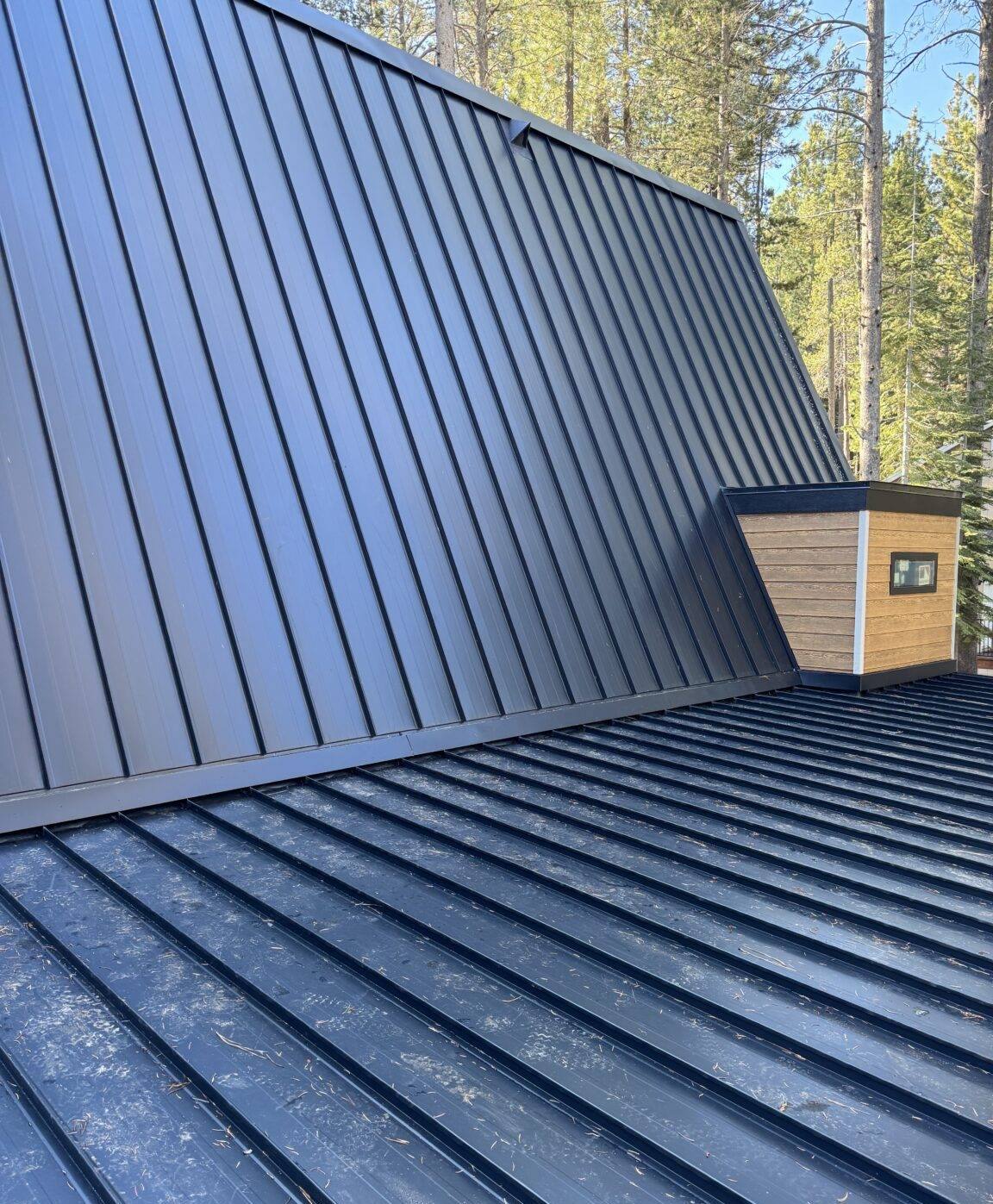
How Salt Air, Rain, and Moss Actually Damage a Roof
Salt Air and Metal Fatigue
Salt-laden air accelerates corrosion on exposed fasteners, flashing, and metal roofing panels. Galvanized nails and cheaper flashing metals can start rusting years before they would inland, and once a fastener corrodes, the seal around it weakens and water starts finding a way in.
Driving Rain and Wind-Driven Water
Rain that comes in sideways off the water doesn't behave like rain falling straight down. It gets pushed up under shingle tabs, around chimney flashing, and into any gap that a calmer climate might get away with. Roof details that are "close enough" elsewhere — a slightly short step flashing, a valley that isn't quite wide enough — get exposed here.
Moss and Trapped Moisture
Whatcom County's long, mild, wet stretch of the year is close to ideal growing conditions for moss and algae on north-facing and shaded roof sections. Moss doesn't just look bad — it holds water against the roofing material, lifts shingle edges as it grows, and works its root structure into seams and granule surfaces. Over a few seasons, a moss-covered section of roof will fail well before the rest of the roof does.
Signs a Custer Roof Needs Repair, Not Just a Watch-and-Wait
Most roof failures don't start as a hole — they start small and get ignored because the leak doesn't show up inside right away. Here's what we tell Custer homeowners to check for, especially after a windy winter storm:
- Granules collecting in gutters or at downspout outlets (a sign shingles are wearing thin)
- Moss buildup along ridge lines, valleys, or shaded slopes
- Curling, cracked, or missing shingle tabs, especially after high wind
- Rust streaks or soft spots around metal flashing at chimneys, vents, and skylights
- Dark staining or a sagging line on interior ceilings, especially near exterior walls
- Daylight visible through the roof deck from inside an attic space
- Gutters pulling away from the fascia or holding standing water
Any one of these on its own might be minor. Two or three together, especially in the same area of the roof, usually means active water intrusion that's just not visible yet.
What a Correct Roof Repair Actually Involves
Tracing the Leak to Its Real Source
Water almost never enters where it shows up inside the house. It travels along rafters, sheathing, and underlayment before dripping somewhere lower and more visible. A repair that just patches the interior stain point without finding the actual entry point is a repair that fails again within a year — we've reworked plenty of roofs where a previous patch job chased the symptom instead of the source.
Matching Materials, Not Just Colors
A patch that doesn't match the surrounding roofing's age, granule wear, and profile will shed water differently than the rest of the roof, which can create a new weak point right at the seam. Where an exact match isn't available — which is common on an older roof — we explain the trade-off honestly rather than pretending it's invisible.
Flashing Gets Priority Over Field Shingles
Most roof leaks in this climate trace back to flashing, not the shingles themselves: step flashing at wall intersections, counter-flashing at chimneys, valley metal, and pipe boots. These are the details most likely to have been under-built for coastal wind-driven rain in the first place, and they're where we spend the most diagnostic time.
Dealing with Moss Correctly, Not Just Cosmetically
Removing moss without addressing what let it establish — usually shade, debris buildup, or a roof plane that doesn't drain and dry quickly — just buys a season or two before it's back. A proper repair clears growth, treats the affected area, and looks at whether gutters, debris, or nearby branches are keeping that section of roof wet longer than it should be.
Common Repair Types We Handle in Custer
| Repair Type | Typical Cause | What's Involved |
|---|---|---|
| Flashing repair/replacement | Corrosion, wind lift, or undersized original install | Remove and reset flashing, correct step/counter-flashing overlap, reseal properly |
| Shingle patch or section replacement | Wind damage, granule loss, age | Remove damaged material, inspect underlayment and deck, install matched or close-match shingles |
| Moss and algae remediation | Shaded slopes, long wet season, debris buildup | Careful removal, treatment, drainage and airflow check for the affected slope |
| Deck/sheathing repair | Long-term hidden leak, rot | Remove roofing over the affected area, replace compromised decking, rebuild the section correctly |
| Vent, skylight, or pipe boot repair | Cracked seals, UV wear, corrosion | Replace boots/seals, check surrounding shingle condition, reseal |
Cost for any of these depends heavily on how far the damage has spread before it's caught, which is why we'd rather look at a suspected leak early than have a homeowner wait until there's visible ceiling damage.
Our Roof Repair Process
1. Honest Inspection
We walk the roof and the attic where accessible, trace visible damage back to its actual source, and check the areas most exposed to wind-driven rain and salt air — not just the spot where the leak showed up inside.
2. Clear Explanation Before Any Work
We tell you what we found, what's causing it, and what the repair options are — including when a smaller, targeted repair is genuinely the right call versus when the underlying deck or a larger roof section needs attention. We're not going to sell a full re-roof when a proper flashing repair solves the problem.
3. Repair Done to Hold Up Here
Materials and details are chosen for this climate specifically — corrosion-resistant fasteners and flashing, correct overlap and sealing for wind-driven rain, and attention to how the repair will drain and dry.
4. Cleanup and Follow-Through
Debris and old material removed, work area cleaned, and we'll tell you honestly if there's anything else worth keeping an eye on — like a neighboring section of roof that's aging out or a gutter that needs attention before next winter.
Materials and Standards We Hold Ourselves To
For coastal Whatcom County conditions, we lean toward corrosion-resistant fastener and flashing materials rather than the cheapest standard-grade options, since the difference shows up within a few years out here, not decades. Where a manufacturer's product has known moisture-sensitivity or maintenance demands that don't fit this climate well, we'll say so directly and explain the trade-off — that's a standard we hold on every job, not a knock on any one brand.
We also won't cut corners on flashing details to save time, since that's the single most common failure point we find on roofs we're called out to repair. A repair that looks finished but skips proper step flashing overlap or counter-flashing integration isn't a repair we'll put our name on.
Moss and Salt Air: Ongoing Maintenance That Prevents Repeat Repairs
A single repair fixes what's broken today. Keeping a Custer roof from needing repeat repairs means managing the two things that do the most damage here over time:
- Keeping gutters and valleys clear of debris so water and moss-feeding organic material don't sit on the roof
- Addressing moss growth before it establishes on shaded or north-facing slopes
- Checking exposed metal flashing and fasteners periodically for early corrosion, especially after storm season
- Trimming back overhanging branches that keep sections of roof shaded and slow to dry
We'll flag any of this during a repair visit even if it's not what you called us out for — a five-minute observation now can save a much larger repair later.
Why a Crew That Already Works Custer Matters
Roofing crews that mostly work drier, inland climates don't always account for what wind-driven coastal rain and a long moss season actually do to a roof over time. A crew that regularly works Custer and the surrounding Semiahmoo area already knows which details tend to fail first in this specific climate, what material choices hold up against salt air, and how aggressive moss growth gets on shaded slopes here. That's not a marketing point — it's the difference between a repair that lasts and one that reopens in a year.
It also means faster response. When a storm off the water knocks loose flashing or strips shingles, having a local crew that isn't driving in from out of the area matters — active leaks get worse every day they sit.
Get a Free, No-Pressure Estimate
If you're seeing granules in the gutters, moss creeping along a roofline, or a stain spreading on a ceiling, it's worth having someone look before the next storm makes it worse. Fill out the form below for a free estimate on roof repair in Custer — we'll give you a straight assessment of what's actually going on and what it would take to fix it right.