 Semiahmoo Siding
 Building New on the Semiahmoo Peninsula
Semiahmoo Resort sits out on a spit between Semiahmoo Bay and Drayton Harbor, which means new construction here faces a different weather load than a typical inland Whatcom County lot. The water is close on more than one side, the wind has a long fetch to build up before it hits the walls, and the air itself carries salt. If you're framing a new home or outbuilding out here, the windows you choose and how they're installed during construction will decide how well those openings hold up over the next twenty or thirty years — not just how they look on day one.
None of this is exotic or scary. It just means the install has to account for salt air, driving rain, and a moss season that runs longer here than it does a few miles inland. Get those three things right during the build and the windows are a non-issue for decades. Get them wrong and you're chasing leaks and rot around openings that were only ever wrong by a quarter inch of flashing.
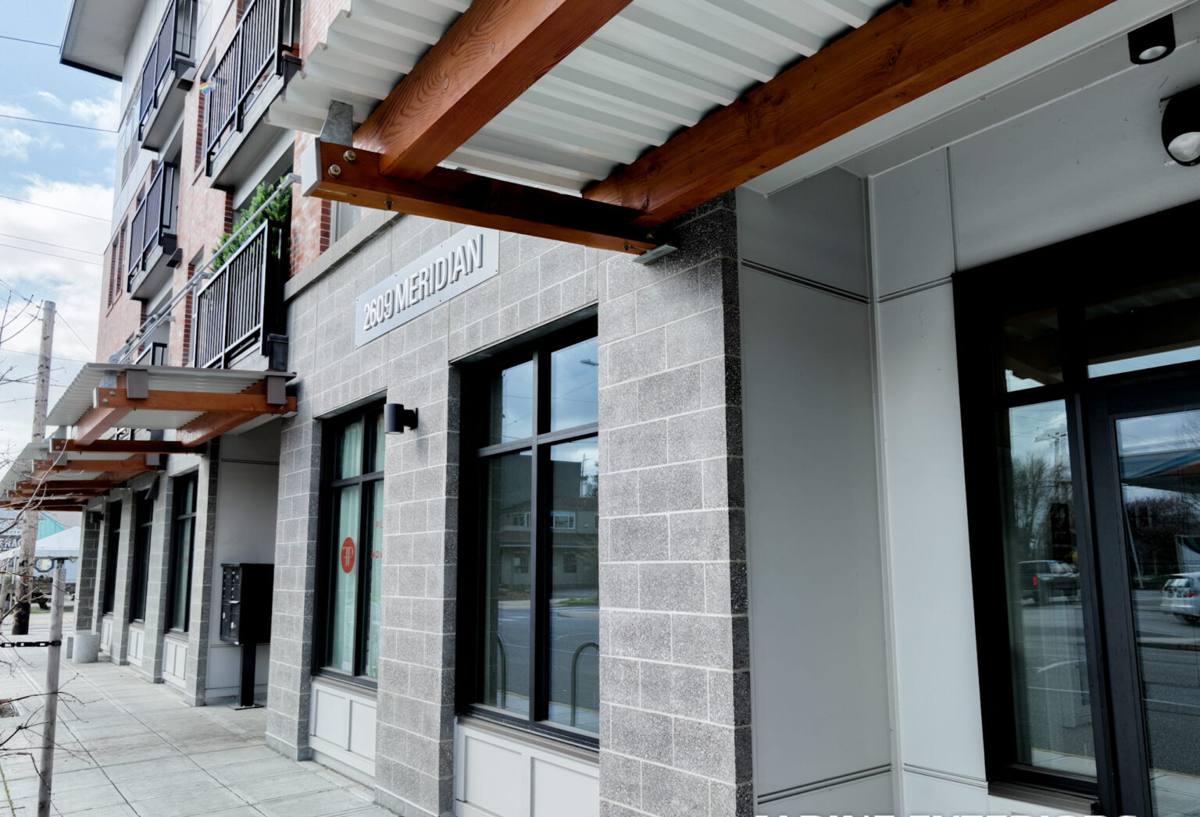
What Semiahmoo's Exposure Does to a Window Opening
Salt Air and Slow Corrosion
Salt-laden air off the Strait doesn't damage a window overnight, but it works steadily on anything that isn't rated for coastal exposure — fasteners, hinge hardware, screen frames, and cheaper cladding trims. Standard interior-grade fasteners can start showing corrosion within a few years out here. It's a small detail, but it's the kind of detail that separates an install that ages gracefully from one that starts looking tired early.
Driving Rain Off the Water
Wind-driven rain is the real test of any window opening, and Semiahmoo Resort gets more of it than a sheltered inland lot because there's open water on more than one exposure. Rain that's being pushed sideways by wind doesn't just run down the glass — it gets forced up under trim and into any gap in the flashing that isn't sequenced correctly. Elevations facing the bay or open water generally need the most careful detailing.
A Long Moss Season
Whatcom County's wet season runs long, and shaded or north-facing walls near the water can stay damp for months at a stretch. That extended dampness is what lets moss and mildew take hold on sills, trim, and cladding around window openings. It's mostly cosmetic on the surface, but sustained moisture sitting against wood trim or an under-sealed flange is exactly the condition that turns a small installation gap into a real problem a few years down the road.
New-Construction Windows Are a Different Job Than a Replacement
A lot of homeowners assume window work is window work. It isn't. Replacing a window in an existing wall means working around finished siding and trim that's already in place. New-construction installation happens during framing, before the weather-resistive barrier and siding go on — which is actually the best possible time to do it right, because every layer of protection is still accessible and can be built in correctly rather than patched in later.
Nail-Fin Installation and Sequencing
Most new-construction windows use a nail fin that's fastened directly through the sheathing, then integrated with flashing tape and the house wrap in a shingle-lap pattern — each layer overlapping the one below it so water is always shed downward and outward, never trapped behind a seam. The sequence matters as much as the materials. A window installed out of order, even with good products, can still leak.
One Chance to Get It Right
Once siding closes up the wall, the flashing behind it is hidden for the life of the building. Correcting a flashing mistake after the fact means opening up finished siding, which is disruptive and expensive compared to doing it correctly the first time. That's the main reason we treat the rough-opening and flashing work on a new build as the part of the job that deserves the most attention, not the window unit itself.
Choosing a Window Frame Built for This Exposure
Frame material matters more on a marine-exposed lot like Semiahmoo Resort than it does a few miles inland. Here's how the common options generally compare for this kind of exposure:
| Frame Material | Salt Air / Moisture Resistance | Maintenance | Typical Lifespan |
|---|---|---|---|
| Vinyl | Good — won't corrode or rot, some UV fading over decades | Low — occasional cleaning | 20–30+ years |
| Fiberglass | Very good — dimensionally stable, resists warping and corrosion | Low | 30–40+ years |
| Wood-clad | Depends heavily on cladding and joint sealing quality | Higher — finish and seals need periodic attention | 20–30+ years with upkeep |
We don't push one material on every job. The right call depends on the elevation, how exposed it is to weather off the water, and your budget. What we won't do is install a wood-clad unit on a heavily exposed, water-facing wall without being upfront that it'll need more attention over time than vinyl or fiberglass in that same spot — that's a maintenance trade-off you should know about before the siding closes it in, not after.
What a Correct New-Construction Install Actually Includes
The window unit itself is often the easy part. The details around it are what determine whether the opening stays dry for thirty years. A correct install includes:
- A sloped sill pan at every rough opening, so any water that gets past the window drains back outside rather than pooling on the sill
- Weather-resistive barrier integrated in proper shingle-lap order above and below the window flange — not just taped flat over it
- Corrosion-resistant fasteners rated for coastal or marine exposure, not standard interior hardware
- Compatible sealant at the flange perimeter, matched to the WRB and flashing tape so the materials actually bond rather than just sitting side by side
- A shim and fastening pattern that keeps the frame square and unbowed, so weatherstripping and seals stay tight for the life of the window
- Head flashing or a drip cap set to direct water away from the wall plane, not straight down the face of the siding
- Interior air sealing around the rough opening, in addition to exterior weatherproofing, to help control condensation
How We Approach a New-Construction Window Install in Semiahmoo Resort
Coordinating with Your Builder or GC
On a new build, window installation has to fit into the framing and siding schedule — it's not a standalone job. We coordinate directly with your builder or general contractor so our install happens at the right point in the sequence, and so the weather-resistive barrier and siding trades that come after us lap correctly over our flashing work instead of fighting it.
A Site Walk Before Anything Gets Ordered
Before we order product, we look at the actual plans and the site — which elevations face open water, which stay shaded and damp longer into the year, and what that means for frame material and flashing detail on each opening. If your property is part of an association or development with exterior design guidelines, we work within those requirements rather than treating them as an afterthought.
Installation and a Walk-Through Before Siding Closes It Up
We install using the sill-pan-and-shingle-lap approach described above, then walk the finished openings with the builder or homeowner before siding covers them. That inspection window — after flashing, before siding — is the last real chance to catch anything before it disappears behind the wall for good.
Energy Performance and Comfort in a Marine Climate
Western Whatcom County's climate is mild compared to a lot of the country, but it's also persistently damp and cool for long stretches of the year, which puts a premium on condensation control as much as raw insulation value. Double-pane, low-E, argon-filled units are the standard baseline we work with for new construction in this area; triple-pane can make sense on particularly exposed or wind-loaded elevations. The bigger factor for comfort, though, is usually the installation quality — a well-sealed frame in a properly flashed opening will outperform a slightly higher-spec window that was installed loose or under-sealed.
Why Local Experience on This Stretch of Coastline Matters
A crew that mostly installs windows on sheltered inland lots can do fine work and still under-detail an opening on a site like Semiahmoo Resort, simply because they're not used to accounting for salt air, direct wind-driven rain off open water, and a moss season that lingers longer here than it does a few miles inland. A crew that regularly works this part of the Whatcom County coastline knows which elevations take the worst weather, builds in the redundancy those openings need, and doesn't treat coastal detailing as optional. That local pattern recognition is the difference between an install that needs attention in five years and one that doesn't need attention for thirty.
If you're planning new construction in Semiahmoo Resort and want windows installed with this exposure actually accounted for, we're happy to walk the plans with you and put together a free, no-pressure estimate — just fill out the form below.