 Semiahmoo Siding
 Windows Built for California Creek's Salt Air and Wet Winters
California Creek sits close enough to the water that homes here take a different kind of weather than inland Whatcom County properties. Salt-laden air moves in off the bay, driving rain comes in sideways during winter storms, and the damp, shaded conditions that persist through much of the year keep moss and algae active longer than in drier parts of the state. Windows in this area don't fail because they're old — they fail because they were never specified or installed for these conditions in the first place. Standard big-box windows and generic installation methods that work fine forty miles inland often struggle here within a decade.
Custom windows for a California Creek home means matching frame material, glazing, and flashing details to this specific exposure — not just picking a size off a shelf. That's the difference between a window that looks good for two years and one that performs for twenty.
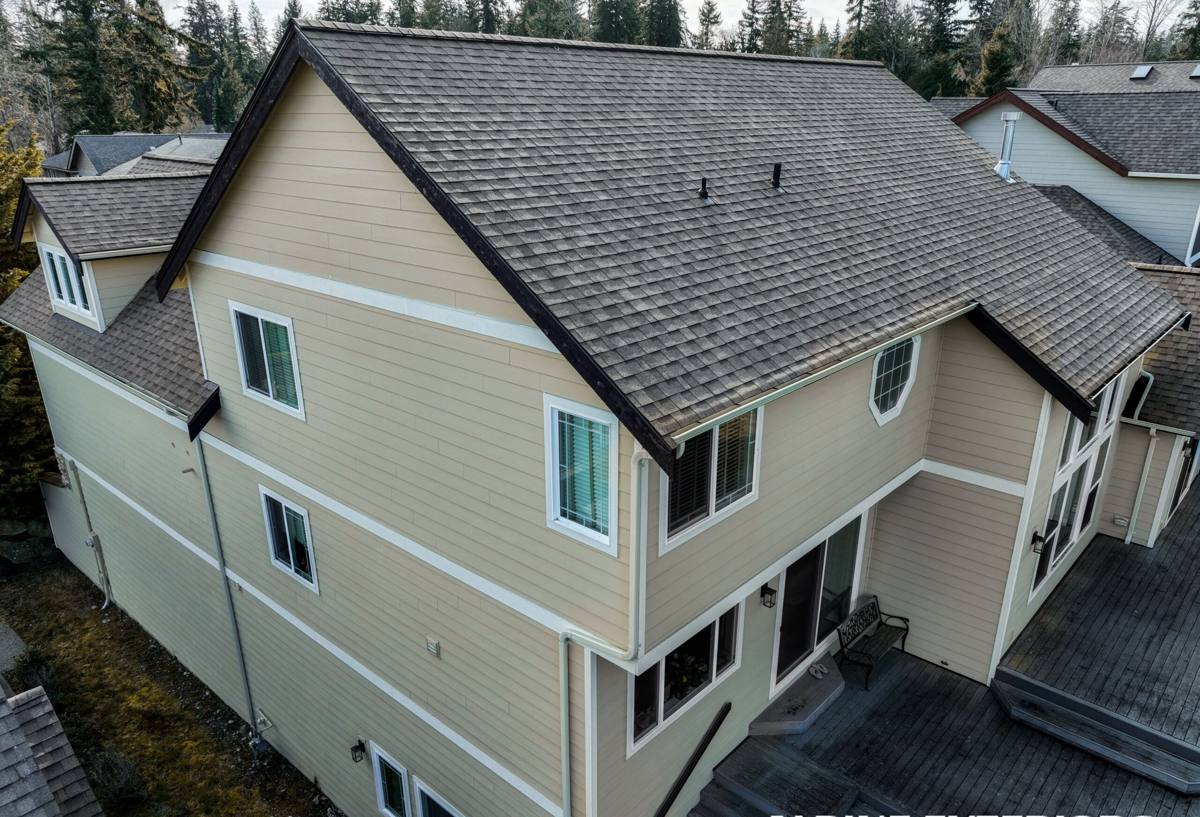
What "Custom" Actually Means for This Job
"Custom" doesn't have to mean unusual shapes or premium pricing — it means the window is specified for your house instead of pulled from a generic stock run. For most California Creek homes, that includes:
- Exact rough-opening measurements taken on site, not assumed from the original builder's plans
- Frame material chosen for salt exposure and maintenance tolerance, not just upfront cost
- Glazing package matched to sun exposure, wind-driven rain, and energy performance goals
- Flashing and water-management details designed for the specific wall assembly behind the siding
- Hardware and weep systems rated for coastal humidity, not standard interior-grade parts
Skipping any one of these is usually where problems start. A window can be excellent quality and still fail early if it's installed with the wrong flashing sequence for a house that takes driving rain from the water side.
Frame Material: What Holds Up Near the Water
Frame material is the first decision, and it matters more here than it would on a home twenty miles inland. Each option has real tradeoffs — none of them are wrong, but some suit a salt-air, high-moisture environment better than others.
| Material | Salt Air Performance | Maintenance | Typical Lifespan |
|---|---|---|---|
| Vinyl | Good — won't corrode or rot | Low; occasional cleaning | 20–30 years |
| Fiberglass | Excellent — very stable in temperature swings and moisture | Low | 30–40+ years |
| Aluminum | Fair — can pit or corrode near salt air over time without coatings | Moderate; watch for corrosion at coastal sites | 20–30 years |
| Wood / Wood-Clad | Poor to fair unless clad and well-maintained; exposed wood suffers in this climate | High — regular sealing/painting required | Varies widely with upkeep |
We steer most California Creek homeowners toward vinyl or fiberglass because both resist the corrosion and rot cycle that salt air and constant moisture create. Wood-frame windows can still work in protected, sheltered elevations, but we're honest with clients about the maintenance commitment — exposed wood on a rain-facing wall in this location needs attention on a schedule most people underestimate. Aluminum performs fine in drier climates but needs a quality thermal break and protective finish to hold up to salt exposure long-term.
Why We Don't Push Bare Aluminum or Untreated Wood Here
This isn't a knock on either material — both have legitimate uses. It's a maintenance-and-moisture judgment call specific to this exposure. Bare or poorly coated aluminum can develop surface corrosion faster near salt air, and untreated or infrequently maintained wood trim is one of the most common sources of hidden rot we find when we replace older windows in this area. If a homeowner wants either material for a specific look, we'll say so plainly and outline exactly what upkeep it will take to get a normal service life out of it.
Glass and Glazing for Driving Rain and Coastal Wind
The glazing package matters as much as the frame. For California Creek, we generally look at:
- Low-E coated glass to manage heat loss through the long, gray Pacific Northwest heating season
- Dual or triple-pane construction with argon fill for insulation value and condensation control
- Impact- and wind-load-rated glazing on elevations that take direct storm exposure off the water
- Warm-edge spacer systems that resist seal failure from repeated temperature and humidity cycling — a common cause of the foggy, failed double-pane look you see on older coastal homes
Condensation and seal failure are the two issues we get called about most on older windows in this neighborhood. Both trace back to glazing that wasn't specified for sustained high humidity and temperature swings — not a defect that shows up everywhere equally.
Installation Details That Actually Prevent Failure
Most window problems we see in California Creek aren't product failures — they're installation failures. The window itself was fine; the flashing, sealant, or water-management detail around it wasn't right for a wall that takes driving rain. A correct installation includes:
- Proper sill pan flashing so any water that gets past the window sheds outward, not into the wall cavity
- Head flashing integrated correctly with the house wrap or weather barrier, lapped in the right sequence
- Sealant rated for exterior exposure and movement, applied at the correct joints — not everywhere, and not nowhere
- Shimming and fastening that keeps the frame square without distorting it, which affects both operation and seal life
- Weep holes and drainage paths left clear and functional, not accidentally sealed shut
That last point trips up a lot of installers who don't work coastal jobs regularly. A window sealed "too well" on the outside with no working drainage path traps water inside the frame — which causes the exact rot and mold problems people were trying to avoid by replacing windows in the first place.
How Our Process Works
1. On-Site Assessment
We start at the house, not a catalog. We look at each opening, the wall assembly behind the siding, sun and wind exposure by elevation, and any signs of past water intrusion — soft trim, staining, or window function problems.
2. Material and Glazing Recommendation
Based on that assessment, we recommend frame material and glazing suited to that specific wall's exposure — a shaded, moss-prone north wall and a storm-facing water-side wall often call for different specs on the same house.
3. Accurate Measurement and Ordering
We take exact field measurements before ordering. Custom-sized windows built to the real opening reduce shimming, gaps, and the sealant problems that come from forcing a stock size to fit.
4. Removal and Opening Prep
Old windows come out carefully, and we inspect the opening for hidden rot or water damage before anything new goes in. This is often where we find problems the homeowner didn't know about — and it's better to catch them now than seal them behind new trim.
5. Flashing and Installation
Sill pans, flashing, and the window itself go in following a sequence built for wind-driven rain, not a generic install checklist.
6. Sealing, Trim, and Final Check
We finish with correct exterior sealant, trim work, and a function check on every unit before we call the job done.
Signs Your Current Windows Are Losing the Fight
Not every window needs replacing right away. These are the signs worth acting on before they turn into bigger repairs:
- Fogging or moisture between panes — a sign the seal has failed
- Soft, discolored, or swelling trim around the frame
- Windows that stick, won't latch fully, or have gaps you can feel a draft through
- Visible mold or persistent condensation on interior sills during winter
- Green or black staining on the frame or nearby siding, a common sign of prolonged moisture and moss growth in this climate
- Noticeably higher heating costs compared to similar-sized homes nearby
Living With Windows in a Salt Air, Moss-Prone Climate
Even a correctly specified, correctly installed window benefits from basic upkeep in this environment. A short seasonal routine goes a long way:
- Rinse salt residue and grime off exterior glass and frames a few times a year, especially after storms
- Keep gutters and nearby drainage clear so water isn't sheeting directly across window openings
- Check and clear weep holes if you notice water pooling on exterior sills
- Watch for moss or algae buildup on frames and sills and remove it before it holds moisture against the material
- Have caulking and sealant inspected every few years — UV and moisture cycling break it down faster here than inland
Cost Factors for California Creek Window Projects
Every project is different, but the same variables drive cost on most jobs in this area:
| Factor | Why It Affects Cost |
|---|---|
| Frame material | Fiberglass and premium vinyl cost more upfront than basic vinyl or aluminum |
| Glazing package | Triple-pane, impact-rated, or high-performance Low-E glass adds cost but improves comfort and lifespan |
| Number and size of openings | More or larger windows mean more material and labor |
| Condition of existing openings | Hidden rot or water damage found during removal adds repair scope |
| Elevation and access | Upper-story or hard-to-reach windows take more labor and equipment |
| Trim and finish work | Matching existing trim profiles or upgrading finish adds to the scope |
We won't quote a job sight unseen, and we don't pad estimates with contingencies for problems we haven't actually found. What we quote is based on what we see at your house.
Why Local, California Creek-Specific Experience Matters
Window installation isn't identical everywhere in Whatcom County. A crew that mostly works dry, inland, or sheltered sites will spec and install differently than one used to the salt exposure and driving rain that come off the water near Semiahmoo. Details like flashing sequence, weep drainage, and frame material choice aren't things you can fix later without pulling trim back off — they have to be right the first time. Working in this specific area regularly means we've already seen what fails here and why, and we build every install to avoid repeating those failures.
If you're weighing whether your current windows need attention, or you're ready to plan a replacement project, we're happy to take a look and give you a straightforward, no-pressure estimate — just fill out the form below.