 Semiahmoo Siding
 James Hardie Siding for Cherry Point Homes
Cherry Point sits out on the water in Whatcom County, close enough to Semiahmoo that homes here deal with the same kind of marine exposure — salt-laden air, driving rain that comes in sideways more often than straight down, and a moss season that barely takes a break. That's a tougher environment for an exterior wall than most siding products are built to handle, and it's the reason we install James Hardie fiber cement here and nothing else.
This page is specifically about James Hardie siding for Cherry Point properties — not a general overview of exterior services, and not a pitch for every siding product on the market. It's what local homes actually need from their siding given this exposure, what a correct installation involves, and why a crew that already works this stretch of coastline is worth choosing over one that doesn't.
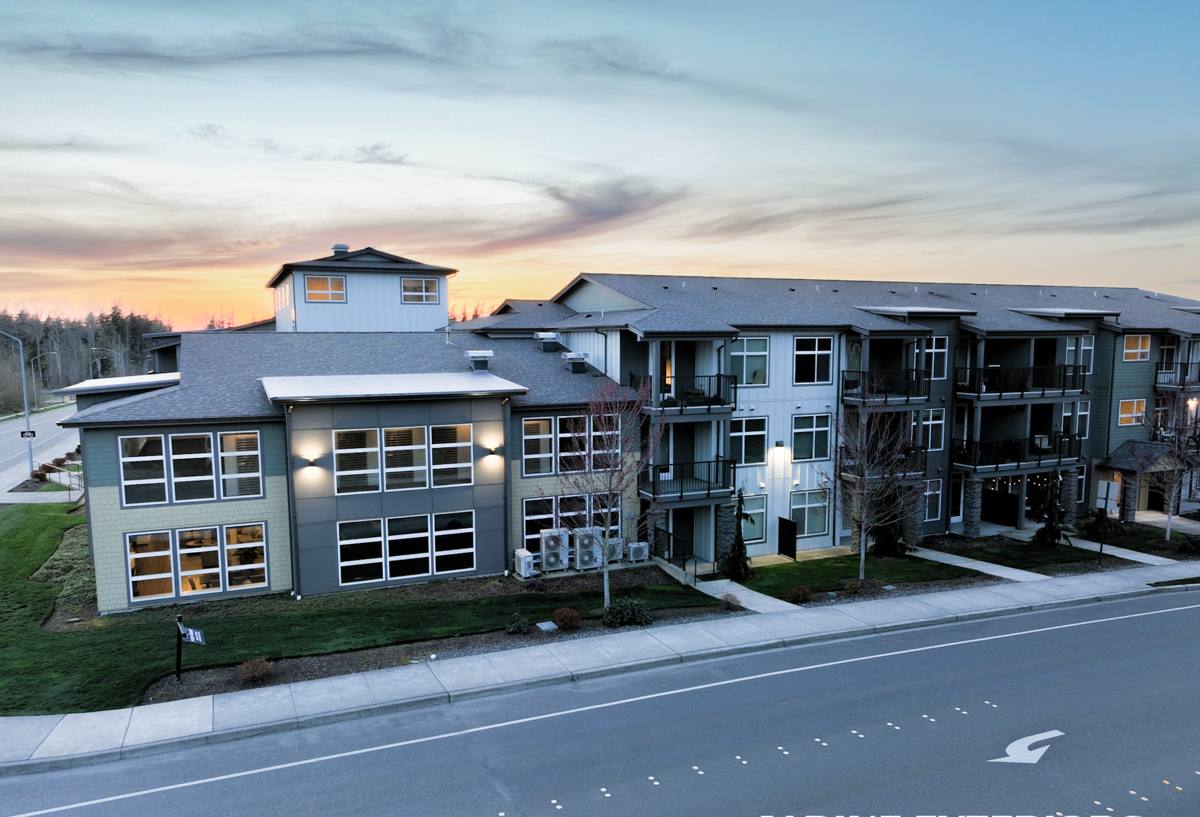
What Cherry Point's Exposure Does to a House
Salt Air Off the Water
Being this close to open water means Cherry Point homes get a steady dose of salt-laden air, and that's harder on a house than it sounds. Salt speeds up corrosion in fasteners, flashing, and any exposed metal trim, and it breaks down lower-grade finishes faster than a drier or more sheltered site would. A siding product and its hardware both need to be chosen with that corrosion risk in mind from the start, not discovered the hard way five years in.
Driving Rain and Wind
Open water exposure also means more wind, and wind-driven rain doesn't behave like a normal rain shower. It gets pushed sideways into lap joints, under trim, and into window and door flashing with real force. That's a heavier moisture load on the wall assembly than the region's rainfall totals alone suggest, and it's exactly the kind of pressure that finds the weak point in a mediocre installation — a joint that was caulked instead of flashed, a clearance that was skipped to save time.
A Long Moss and Mildew Season
Mild temperatures and near-constant humidity keep moss and mildew active across most of the calendar in this part of Whatcom County, and shaded or tree-lined properties near Cherry Point see it worse than open, sun-facing lots. Any siding material that's even slightly porous, or that holds moisture against the substrate, becomes a growth surface over time. Once organic growth takes hold on a wall, it traps moisture underneath it, and that's where a lot of long-term siding problems actually start.
Why James Hardie Fits This Climate
James Hardie siding is fiber cement — a cured blend of Portland cement, sand, and cellulose fiber. It doesn't have a wood-based or petroleum-based core that can absorb water and swell, rot, or feed insects, and it's non-combustible, which is a real factor in both safety and, in many cases, insurance conversations. None of that is marketing language; it's the physical difference between an inorganic material and an organic one sitting on a wall that's wet more often than it's dry.
HZ5 Climate Engineering
James Hardie engineers different product lines for different climate zones, and the HZ5 formulation is built for regions with sustained moisture exposure and freeze-thaw cycling — a good match for a Whatcom County winter. That's a concrete, specific reason we standardized on this manufacturer rather than fiber cement as a generic category. Not every fiber cement product on the market is engineered for this exposure, and the difference shows up over years, not on install day.
ColorPlus Factory Finish
Instead of a field-applied paint job, Hardie's ColorPlus finish is baked on in multiple coats under controlled factory conditions before the boards ever reach the job site. That finish carries its own warranty, separate from the substrate warranty, and it's built to hold color and resist fading better than site-applied paint exposed to salt air and UV. On a Cherry Point property, that's the difference between a repaint every several years and a finish that's still doing its job decades out.
What a Correct Installation Involves Here
Fiber cement only performs the way it's engineered to when it's installed to spec. A Hardie product installed loosely will still develop moisture problems in this climate — the board is only as good as the details around it.
Clearances and Drainage Behind the Panels
Manufacturer-specified clearances from grade, roofline, and deck surfaces keep splash-back and standing water away from the board edge, which matters more here than in a drier market. Where the assembly calls for it, a rain screen or drainage plane behind the siding lets any moisture that does get past the surface drain and dry out instead of sitting against the wall sheathing.
Fastening, Flashing, and Joints
Correct fastener type, spacing, and depth prevent cracking and keep the water-resistive barrier behind the siding intact. Flashing at windows, doors, and every penetration needs to direct wind-driven rain away from seams rather than trap it — the single most common place we find water damage on tear-offs. Factory-cut edges get used wherever possible, and any field cuts get sealed per Hardie's spec, because an unsealed cut edge is a fast way to undercut the factory finish's protection.
Comparing Siding Materials for a Cherry Point Home
| Material | Moisture Behavior | Maintenance in Salt Air | Typical Longevity Here |
|---|---|---|---|
| James Hardie fiber cement | Dimensionally stable; doesn't swell or warp | Low; factory finish resists fading and chalking | 30+ years with correct install |
| Vinyl siding | Can distort or warp under heat and wind load over time | Low upfront, but seams and fasteners are exposure points | Variable; shorter in high-wind waterfront spots |
| LP SmartSide / engineered wood | Wood-fiber core is moisture-sensitive at cut edges and joints | Moderate; edge sealing and caulk upkeep matter | Depends heavily on installation and maintenance |
| Cedar / primed spruce | Absorbs and releases moisture readily | High; regular refinishing needed in wet, salty air | Shorter without consistent upkeep |
We don't install the vinyl, engineered wood, or cedar options in that table. Each has a place in the broader market and homeowners who are happy with them in gentler climates, but on an exposed property this close to the water, we've made the professional call to install one system we can fully stand behind rather than a cheaper option that quietly shifts maintenance risk onto the homeowner down the road.
Cost Factors on a Cherry Point Hardie Project
- Material and labor cost is typically higher upfront than vinyl and comparable to or somewhat above engineered wood, reflecting a heavier board and a more labor-intensive install.
- How much of the existing wall sheathing needs repair once the old siding comes off can shift the budget — this shows up more often on older homes near the water that have taken on moisture over the years.
- Maintenance cost over the life of the siding is lower than wood or engineered wood, since there's no periodic repainting or recaulking of a wood-based core to keep up with.
- Trim, corner detail, and drainage plane requirements add labor cost but are what keep the system performing in this specific exposure — cutting them to save money is a false economy here.
Our Process for a Cherry Point Siding Job
Assessment
We start with an on-site look at the existing siding and wall assembly, checking specifically for how the current system has handled moisture and salt exposure over time — soft sheathing, failed flashing, and organic growth patterns all tell us something before a single board comes off.
Installation
From there we put together a clear, written scope before work begins. During installation, clearances, drainage detailing, flashing, and fastener corrosion resistance are treated as standard practice on a property in this exposure, not optional upgrades billed separately.
Final Inspection
Once the siding is up, we walk the job with the homeowner and check the details that actually determine how the system performs over time — joint sealing, flashing laps, and clearances — rather than just confirming the boards look straight from the curb.
Why a Crew That Already Works Cherry Point Matters
A contractor who regularly works this stretch of Whatcom County coastline already knows how salt air, open wind, and near-constant moisture behave differently here than they do a few miles inland. That shows up in small decisions — how flashing gets lapped, which fastener grade gets used, where extra drainage detailing gets added — and those small decisions are what separate a siding job that lasts one wet season from one that lasts several decades on an exposed property like this.
A Checklist Before Hiring for Siding Work Near Cherry Point
- Ask what siding material they install and why, and whether they'll put a written warranty behind it
- Confirm current Washington contractor licensing and active liability insurance
- Ask how they detail flashing at windows, doors, and roof-to-wall transitions for wind-driven rain specifically
- Ask whether their installers are manufacturer-certified for the product they're proposing
- Get a clear, written scope of work before signing anything
If you're weighing a re-side on a Cherry Point property, we're glad to walk the exterior with you and give an honest read on what it actually needs. Reach out below for a free, no-pressure estimate.