 Semiahmoo Siding
 Window Replacement Built for Cherry Point's Climate
Cherry Point sits right on the Whatcom County coastline, and that location shapes how windows age here. Homes get a steady diet of salt-laden air off the water, wind-driven rain that hits window walls sideways instead of straight down, and a long gray season where moss and algae get a foothold on anything that stays damp. Windows that would last two or three decades inland often start failing early here — not because they were bad windows, but because nobody accounted for the environment they were going into.
This page is about one job: replacing windows on homes in and around Cherry Point. Not a general overview of window brands, but what actually matters when you're doing this work a few miles from Semiahmoo Bay.
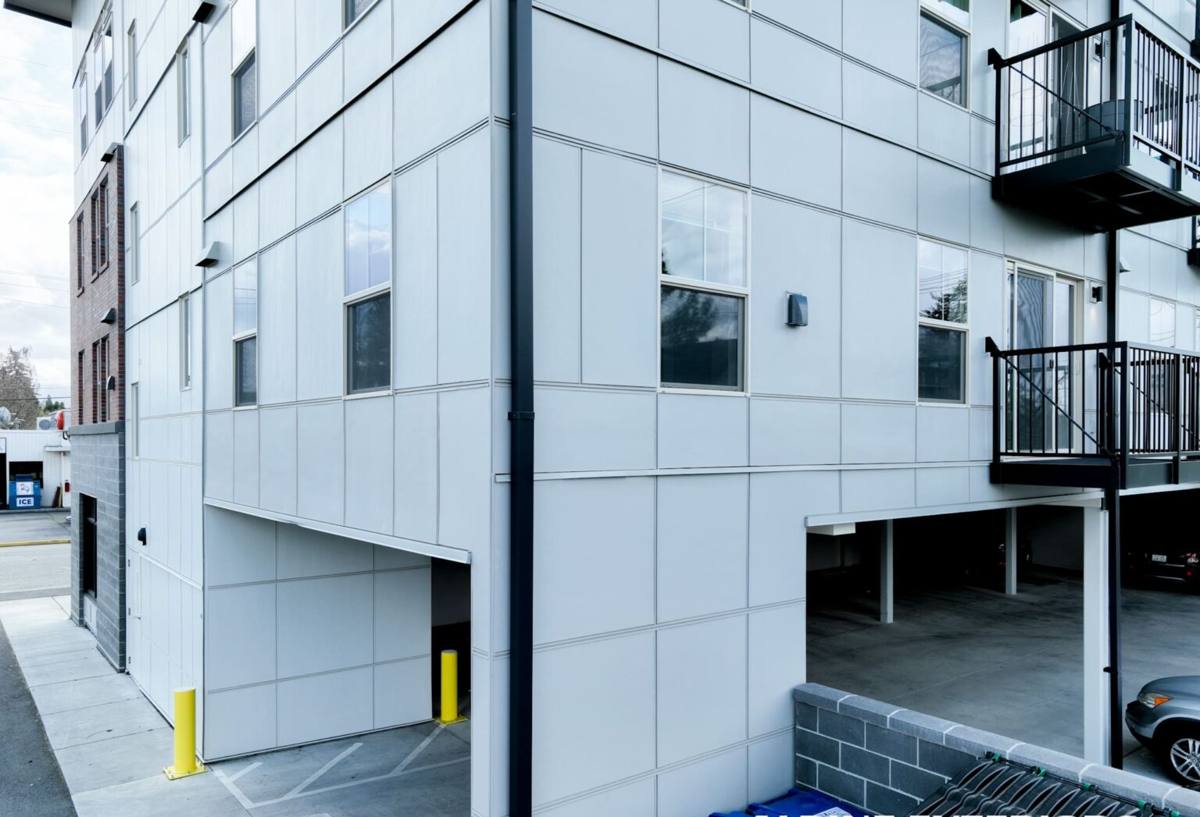
How Coastal Weather Wears Down Windows Here
Frame Corrosion and Hardware Fatigue
Older aluminum-frame windows are especially vulnerable to salt air. The metal itself can pit and corrode over time, and the small parts — balance springs, cranks, lock hardware — corrode faster than the frame because they're thinner and often not built from marine-grade materials. You'll see this as a window that used to open smoothly but now sticks, or a lock that won't seat right anymore.
Wood Rot and Moss Growth
Wood-framed and wood-clad windows need consistent paint or finish maintenance to survive a Whatcom County winter. Once driving rain finds a gap in the finish — usually at a corner joint or the bottom rail — water gets into the wood and doesn't fully dry out before the next storm arrives. Moss and algae growing on horizontal sills and trim isn't just cosmetic; it holds moisture against the wood longer, which speeds up rot underneath paint that still looks fine from a few feet away.
Seal Failure and Fogging Glass
Dual-pane windows depend on a sealed air or gas space between the panes. Constant humidity swings and temperature differences between a cold pane and a warm interior stress that seal over the years. Once it fails, moisture gets between the panes and you get permanent fogging or mineral streaking that no amount of cleaning fixes — a clear sign the insulated glass unit is done, even if the frame still looks fine.
Choosing the Right Window Material for This Location
Material choice matters more here than in a drier, more sheltered inland location. Here's how the common options hold up against salt air, wind-driven rain, and moss exposure.
| Material | Coastal Durability | Maintenance | Typical Trade-Offs |
|---|---|---|---|
| Vinyl | Good — won't corrode or rot | Low; occasional cleaning | Can't be repainted; quality varies a lot by manufacturer |
| Fiberglass | Very good — dimensionally stable, resists moisture | Low | Higher upfront cost than vinyl |
| Aluminum | Fair — prone to pitting/corrosion in salt air over time | Moderate; hardware needs attention | Thin sightlines, but least suited to this specific climate |
| Wood / wood-clad | Fair to good depending on cladding and upkeep | High — finish must be maintained | Best look for some homes, but real maintenance commitment near salt air |
We don't push one material on every job. A well-built vinyl or fiberglass window with quality hardware is the practical choice for most Cherry Point homes because it removes the corrosion and repainting problem entirely. If a homeowner wants wood for a specific architectural reason, we'll do it right, but we're honest up front about the maintenance schedule that comes with it in this climate.
What a Correct Window Replacement Job Actually Involves
The window itself is maybe half the job. The other half — flashing, sealing, and integration with the wall — is what determines whether that window is still performing in fifteen years or leaking behind the trim in five. In a location that gets sustained wind-driven rain, this part isn't optional.
- Remove the old window and inspect the rough opening for hidden rot or water staining before anything new goes in
- Repair or replace any damaged sheathing or framing found during removal — never install a new window over a soft or wet opening
- Install a sloped sill pan flashing so any water that gets past the window sheds outward, not into the wall cavity
- Integrate window flashing with the home's existing weather-resistive barrier in the correct shingle-lap order (top piece over the one below it)
- Use sealant rated for exterior exposure and compatible with the siding and window material, not just whatever caulk is on hand
- Insulate the gap between the window frame and rough opening — an uninsulated gap is a cold spot and a condensation risk
- Set and shim the window level, plumb, and square, then confirm it opens and locks correctly before trim goes back on
Skipping the flashing and sealing steps is the single biggest reason window replacements fail early in coastal Whatcom County. The window can be top quality and still leak if it's installed like it's going into a dry inland wall.
Glass and Energy Performance for a Marine Climate
Whatcom County winters mean a long heating season, so glass performance affects comfort and utility bills more than most homeowners expect. A few things worth understanding before you pick a glass package:
Low-E coatings reduce heat loss through the glass without noticeably darkening the view — this is standard on any decent window today and worth insisting on. Argon gas fill between panes improves insulation value over a plain air gap at a modest cost. Warm-edge spacers (the material separating the panes at the edge) reduce condensation risk on the interior glass edge during cold, humid stretches — a common complaint in homes near the water.
None of this is exotic or upgraded-tier anymore; it's what a properly specified window should include as a baseline in this climate.
What Drives the Cost of Window Replacement in Cherry Point
| Factor | Why It Changes the Price |
|---|---|
| Full-frame vs. insert replacement | Full-frame removes down to the rough opening and costs more but lets us fix hidden rot or flashing problems; insert replacement reuses the existing frame and is cheaper when that frame is sound |
| Window size and count | Larger openings and whole-house jobs get better per-window pricing than one-off replacements |
| Material and glass package | Vinyl is the entry point; fiberglass, upgraded glass coatings, and grid patterns add cost |
| Hidden repairs | Rot found around old wood or aluminum windows during removal adds labor and material not visible from a quote done sight-unseen |
| Access and second-story work | Upper-floor and hard-to-reach windows take longer and may need staging or lift equipment |
| Disposal | Hauling and disposing of old windows and any removed rotted material is part of a complete job, not an add-on surprise |
We won't quote a firm number without seeing the actual openings — a phone estimate on windows is always a guess, and hidden rot is common enough near the coast that we'd rather look first than lowball a number we'll have to revise.
Our Window Replacement Process
- On-site inspection: we look at every window being considered, check the condition of the framing where visible, and note anything unusual about that specific opening
- Written estimate: a clear breakdown by window, so you know what you're paying for and where the money goes
- Measurement and ordering: exact measurements taken after the estimate is approved, since window sizing has to be precise
- Installation: removal, opening inspection and repair, flashing, setting the window, insulating, and sealing — done to the standard described above, not shortcut for speed
- Cleanup and walkthrough: old materials hauled off, every window tested with you before we consider the job done
Why Hire a Crew That Already Works in Cherry Point
A contractor who mostly works drier, more sheltered areas can still do competent work, but they're guessing at things a Cherry Point crew already knows cold: how far salt exposure typically travels inland from the water, which window hardware holds up and which corrodes fast here, how much of a slope a sill flashing needs given how hard the rain comes in during a real coastal storm, and what moss and algae growth actually does to trim and siding over a few wet seasons. That's not a sales pitch — it's the difference between a crew solving a familiar problem and a crew learning it on your house.
It also matters for something simpler: showing up. Coastal weather windows for exterior work are narrower here than inland, and a crew that plans around that gets jobs done between storms instead of leaving an opening exposed longer than it should be.
If your windows are drafty, hard to open, fogged between the panes, or you've noticed soft spots or moss buildup around the frames, it's worth having a real inspection rather than guessing from the driveway. We're happy to take a look, tell you honestly what we see, and put together a straightforward estimate — no pressure, no obligation. Use the form below to get started.