 Semiahmoo Siding
 Building a Deck That Belongs in Semiahmoo Resort
Semiahmoo Resort sits right at the edge of Semiahmoo Bay, which means every deck out here is doing double duty: it has to look good and function as an outdoor living space, and it has to survive conditions that most inland Whatcom County decks never face. Salt-laden air off the water, driving rain that comes in sideways during winter storms, and a moss season that can run eight months out of the year all work against wood, fasteners, and finishes. A deck built to a generic spec sheet, without those conditions in mind, will show problems within a few seasons — soft spots, rust streaks, slick surfaces, and finishes that fail early.
We build decks in Semiahmoo Resort the way the site actually demands, not the way a catalog assumes. That means paying close attention to fastener grade, ledger flashing, board spacing, and drainage from the first stake in the ground to the final board.
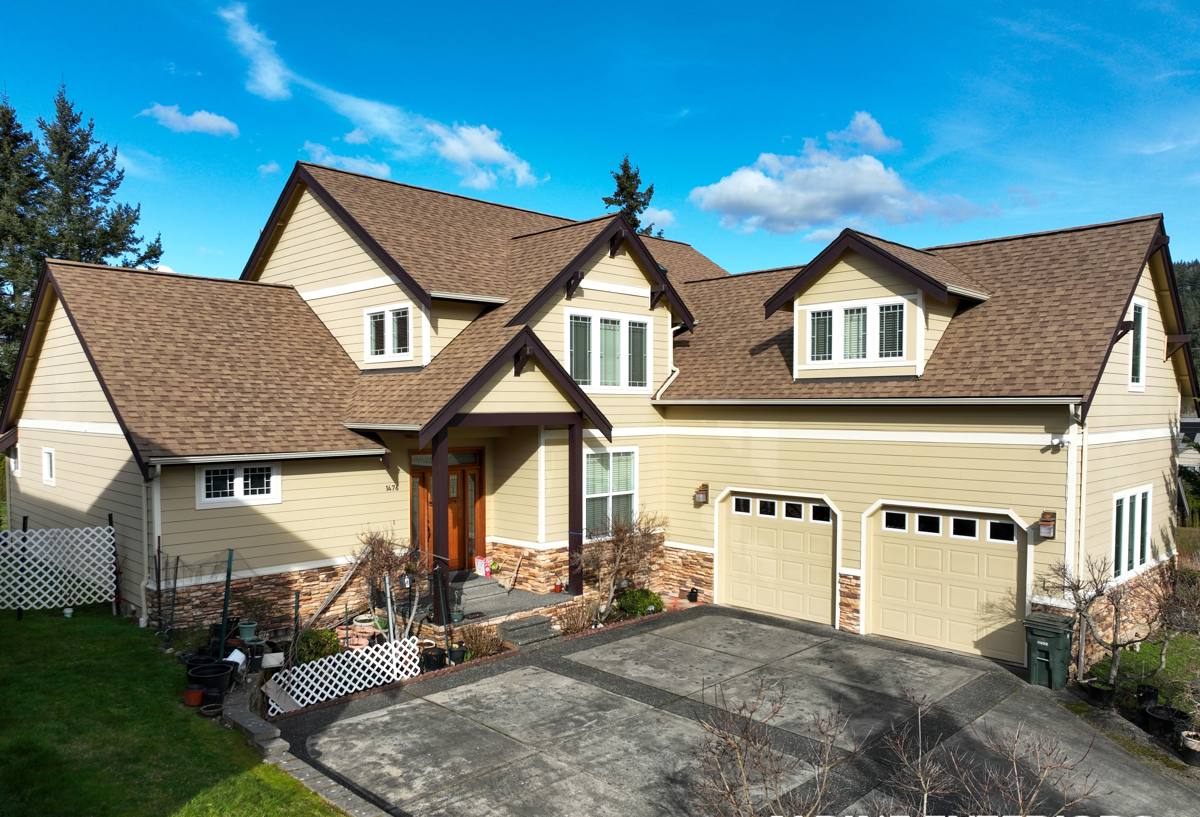
What Semiahmoo's Climate Does to a Deck
Salt Air and Corrosion
Properties close to Semiahmoo Bay get regular exposure to salt-carrying air, especially during winter wind events. Salt air accelerates corrosion on anything metal — screws, joist hangers, post bases, and railing hardware. Standard hot-dip galvanized fasteners can start showing rust bleed within a couple of years in a coastal-exposure spot like this. Once corrosion starts on a structural fastener, it's not cosmetic — it's a slow loss of holding strength.
Driving Rain
Storms coming off the Strait of Georgia don't fall straight down here; they come in at an angle and drive water into places a calm-weather deck design wouldn's have to account for. That means ledger board connections, stair stringers, and any spot where a deck meets the house siding are at real risk of water intrusion if flashing and gaps aren't handled correctly.
Moss Season
Between the marine humidity and the tree cover common around Semiahmoo Resort properties, moss and algae growth on deck surfaces is a near year-round concern rather than a seasonal nuisance. Moss holds moisture against the board surface, which speeds up rot in wood decking and can make composite and even some capped-composite surfaces slick and slippery underfoot.
What a Correctly Built Deck Needs Here
- Stainless steel or coated fasteners rated for coastal/marine exposure, not standard interior-grade hardware
- Proper ledger flashing with a drainage gap, so water sheds away from the house rather than pooling behind the board
- Board spacing sized for drainage and airflow underneath, so moisture doesn't sit trapped between boards
- Post bases and structural connectors rated for wet, salt-exposed conditions
- A decking surface chosen with moss and slip resistance in mind, not just appearance
- Railing and hardware finishes that won't streak or pit within the first few years
Decking Material Choices for a Semiahmoo Resort Deck
There's no single "best" decking material for every home here — the right choice depends on budget, how much maintenance the owner wants to take on, and how exposed the deck is to wind-driven rain and direct salt air. Here's how the common options actually perform in this specific environment.
| Material | Moss/Algae Behavior | Maintenance Load | Coastal Durability |
|---|---|---|---|
| Pressure-treated wood | Prone to moss and mildew without regular cleaning and sealing | High — annual cleaning, periodic sealing | Good if fasteners and flashing are corrosion-rated; wood itself needs upkeep |
| Cedar | Naturally more rot-resistant but still needs cleaning to stay moss-free | Moderate to high — sealing recommended every 1-2 years | Solid, traditional choice; ages gracefully if maintained |
| Composite (capped) | Resists moisture absorption, but surface can still get slick with algae film if shaded | Low — occasional washing | Very good; consistent performance in wet, salty conditions |
| PVC decking | Non-porous, sheds moisture well, minimal moss uptake | Low | Excellent moisture resistance; check manufacturer warranty terms for coastal use |
For decks with heavy tree cover or a north-facing exposure that stays damp longer, we lean toward capped composite or PVC because they don't give moss and algae the porous surface they need to take hold. For a more traditional look and where the owner is comfortable with a maintenance routine, cedar or treated wood still make sense — as long as the structural components underneath are built to coastal standards regardless of what's on top.
Framing and Fasteners: Where Most Deck Failures Actually Start
Homeowners tend to focus on the decking surface because that's what they see and walk on, but the framing underneath is where coastal decks actually fail. A deck can have a brand-new composite surface on top of joists and hardware that are corroding out of sight. We build the structural frame — joists, beams, posts, and all connecting hardware — to the same standard regardless of what decking material sits on top, using fasteners and connectors rated for wet, salt-air exposure. This is the part of the job that doesn't show up in a photo but determines whether the deck is still solid in fifteen years.
Ledger Attachment
Where the deck attaches to the house is the single most common point of water damage on any deck, anywhere. We flash that connection properly, with a gap or drainage plane behind the ledger board so water that does get behind the decking has somewhere to go besides into the house's wall framing.
Post Bases and Footings
Standing water and constant dampness at ground level accelerate corrosion and rot at the base of deck posts faster than anywhere else on the structure. We use elevated, corrosion-rated post bases that keep wood posts off wet concrete and soil contact.
Railings, Stairs, and Hardware
Railing systems take a lot of direct weather exposure since they're the highest, most exposed part of the structure. Metal railing components — cable rail, aluminum, or steel — need finishes rated for marine/coastal exposure, or they'll start showing pitting and streaking well before the rest of the deck shows wear. Stair stringers and treads also need the same drainage and fastener considerations as the main deck frame, since stairs often sit in shadier, damper spots than the main deck surface.
Our Process for a Semiahmoo Resort Deck Build
- On-site assessment — we look at sun exposure, tree cover, wind direction, and how close the build site is to the water, since all of that affects material and hardware decisions.
- Design and material selection — we walk through decking, railing, and structural options with the tradeoffs laid out honestly, not just the upsell option.
- Permitting — deck permitting requirements vary depending on height, attachment to the structure, and Whatcom County jurisdiction; we handle that paperwork so it's not on the homeowner.
- Framing and structural work — built to coastal-exposure fastener and flashing standards regardless of what decking goes on top.
- Decking, railing, and finish work — installed with the spacing and drainage details that keep moss and water damage from taking hold early.
- Final walkthrough — we go over basic maintenance expectations for whatever material was installed, so there are no surprises down the road.
Maintenance Realities Homeowners Should Know
No decking material in this climate is truly "zero maintenance," and we'd rather say that upfront than have a homeowner find out the hard way. Even low-maintenance composite and PVC decking benefit from an occasional wash to clear algae film before it builds up. Wood decking needs more regular attention — cleaning and resealing on a schedule, not just when it starts looking rough. Metal hardware and railings should get a visual check periodically for early rust or pitting, since catching that early is far cheaper than replacing corroded structural connectors later.
- Rinse or wash decking surfaces periodically to prevent moss and algae buildup, especially in shaded areas
- Check drainage gaps and underneath the deck occasionally for standing water or debris buildup
- Inspect railing hardware and connectors for early signs of rust or pitting
- Reseal wood decking on the schedule appropriate for the product used
- Keep gutters and downspouts near the deck clear so runoff isn't dumping directly onto the structure
Why Local Deck-Building Experience Matters Here
A contractor who mostly builds decks in drier, inland parts of Whatcom County — or who's working from a generic national spec — isn't necessarily thinking about salt air, wind-driven rain angle, or moss season the way a Semiahmoo-based crew does. We've built and repaired decks in this specific coastal pocket long enough to know which fastener grades hold up, which decking surfaces stay walkable when they're damp and shaded, and where water actually tends to find its way into a structure. That local knowledge shows up in choices that aren't visible on day one — the fasteners inside the frame, the flashing behind the ledger, the drainage gap under the boards — but that determine whether the deck is still solid and safe a decade from now.
If you're planning a new deck or replacing one that's showing its age at Semiahmoo Resort, we're happy to walk the site with you and talk through what makes sense for your home's exposure and budget. Reach out for a free, no-pressure estimate using the form below.