 Semiahmoo Siding
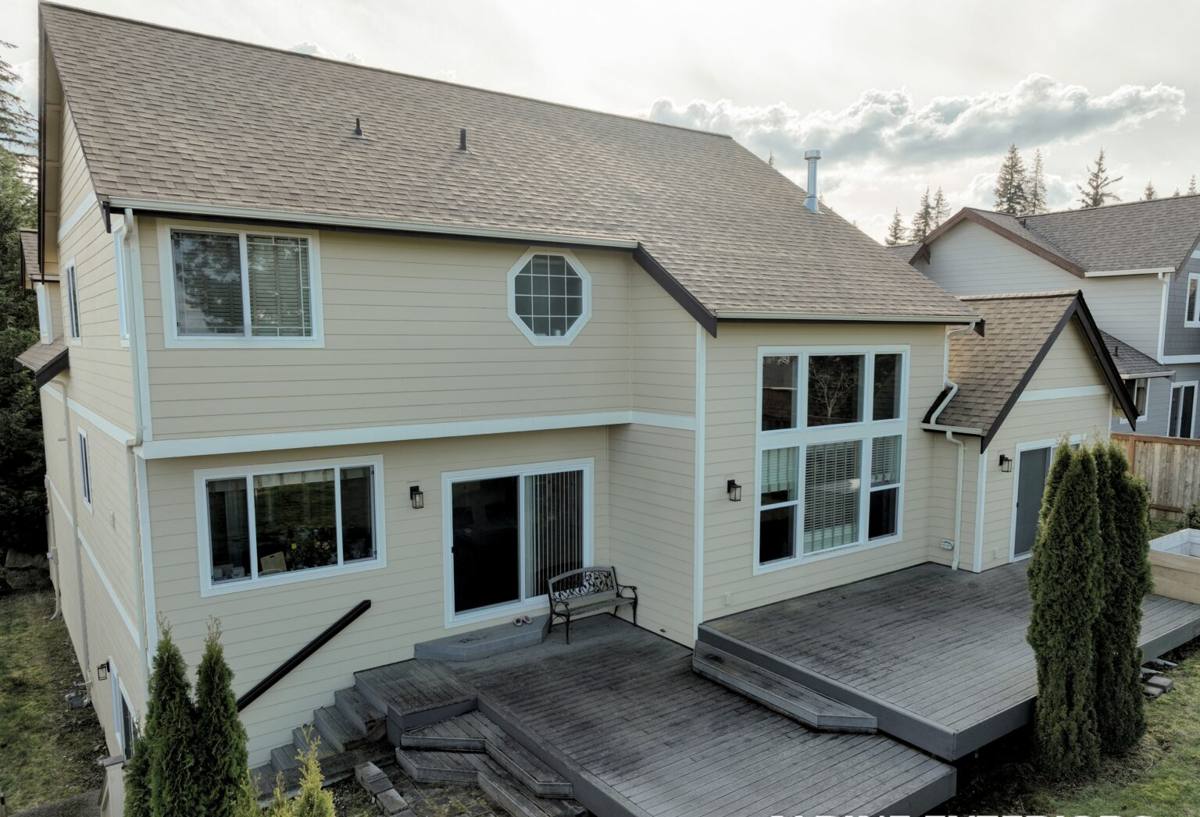
 Decks in Custer take a beating that decks twenty miles inland never see. This stretch of Whatcom County sits close enough to Semiahmoo Bay and the Strait of Georgia that salt-laden air rides in on the wind, settles into wood grain and fastener heads, and quietly speeds up corrosion and decay that a homeowner won't notice until a board flexes underfoot or a rail wiggles more than it should. Add in a wet season that can stretch from October well into May, plus the shade from mature fir and cedar that keeps many Custer yards damp and mossy long after a storm has passed, and you get decks that age faster here than the manufacturer's warranty paperwork assumes.
We repair decks in Custer regularly, not as an occasional stop on the way to somewhere else. That matters because deck failure patterns here are consistent enough that we can usually tell what we're dealing with before we finish walking the perimeter — which ledger board area is soaking up runoff, which fastener line is rusting first, where the moss has been holding moisture against the decking longest. This page covers what actually goes wrong with decks in this area, what a proper repair involves, and how we approach the work.
Why Custer Decks Wear the Way They Do
Three things drive most of the repair calls we get in this part of Whatcom County, and they compound each other.
Salt Air and Metal Fatigue
Proximity to Semiahmoo Bay means airborne salt reaches structures further inland than most homeowners expect, especially during winter storms with onshore wind. Salt accelerates corrosion in anything metal: joist hangers, structural screws, nail heads, railing brackets, and any fastener that isn't rated for coastal exposure. Corroding fasteners don't just look bad — they lose holding strength gradually, which is how a deck can feel "mostly fine" right up until a board pulls loose or a rail post shifts.
Driving Rain and Water Intrusion
This region doesn't just get rain, it gets rain pushed sideways by wind off the water, which finds its way into joints, screw holes, and ledger connections that would stay dry in a calmer climate. Once water gets behind a ledger board or under a rail post base, it stays there — wood dries slowly in our humidity, and the same board can go through dozens of wet-dry cycles in a single winter. That cycling is what actually breaks wood down, more than any single storm.
Moss, Shade, and Prolonged Moisture Contact
Many Custer properties back up to trees or sit in partial shade for a good part of the day, which is exactly the condition moss needs. Moss on a deck surface isn't just a slip hazard — it holds moisture against the wood or composite surface far longer than open sun and air would allow, which is a direct driver of rot in wood decking and can accelerate wear on composite boards at the surface layer too.
What We Actually Find When We Inspect a Custer Deck
Every deck is different, but repair calls in this area tend to cluster around a handful of failure points. Knowing where to look first is most of what separates a fast, accurate diagnosis from a repair that treats the symptom and misses the cause.
- Ledger board connection to the house — the single most common source of hidden water damage, since it's the joint most exposed to wind-driven rain and hardest to inspect without pulling decking or siding.
- Joist hangers and structural fasteners — look for rust streaking, which usually means the fastener is compromised before it visibly fails.
- Post bases and footings — moisture wicking up from grade level rots post bottoms from the inside, often invisible until the post is tapped or probed.
- Board-to-joist fastening — screws or nails that have backed out, corroded, or sheared, usually concentrated on the north or shaded side of the deck.
- Railing posts and connections — code-critical for safety, and among the first things to loosen once moisture gets into the post base.
- Surface soft spots and discoloration — early rot signs in wood decking, often starting where moss or standing water has been present longest.
Repair vs. Replacement: How We Make the Call
Not every damaged deck needs to be torn out. A lot of Custer decks are structurally sound but have specific problem areas — a rotted ledger connection, a handful of failed joist hangers, a section of decking that took the brunt of moss and shade. We repair what's repairable and replace what isn't, and we explain the difference in plain terms before any work starts.
| Condition Found | Typical Approach | Why |
|---|---|---|
| Isolated rot at ledger board, framing otherwise sound | Cut out and replace affected section, correct flashing | Framing underneath is usually intact; the problem is localized water entry, not general age |
| Scattered corroded fasteners, boards otherwise solid | Re-fasten with coastal-rated hardware | Wood is fine — the metal failed first, which is common in salt-exposed areas |
| Soft, spongy decking across multiple boards | Board replacement, sometimes full resurfacing | Rot has spread past a single board; patching individual spots won't hold |
| Rotted post base at grade level | Post replacement or base repair with proper standoff | A compromised post is a structural and safety issue, not cosmetic |
| Widespread rot in original framing, deck 20+ years old | Full or partial rebuild | Piecemeal repair on aged framing rarely holds up long-term and can cost more over time than a rebuild |
How Our Repair Process Works
1. On-Site Inspection
We walk the entire deck, check the ledger connection, probe suspect boards and post bases, and look at fastener condition throughout. We're checking for the patterns described above, not just the obvious problem the homeowner called about.
2. Clear Explanation, No Pressure
We tell you what we found, what's structural versus cosmetic, and what your real options are — including the option to do nothing yet if the deck is safe but showing early wear. We'd rather you understand the tradeoffs than feel talked into scope you don't need.
3. Correct the Cause, Not Just the Symptom
Replacing a rotted board without fixing the water source that rotted it just buys a few years before the same repair is needed again. Where flashing is missing or failing at the ledger, where drainage is pooling instead of shedding, or where a post base has no standoff from wet grade, we address that as part of the repair.
4. Coastal-Appropriate Materials and Fasteners
Given the salt exposure common to Custer and the broader Semiahmoo area, we use fasteners and hardware rated for coastal or high-corrosion environments rather than standard interior-grade hardware. It costs a little more upfront and saves the deck from repeating the same fastener failure in a few winters.
5. Final Walkthrough
Before we consider the job done, we walk it with you — check that rails are solid, boards are secure, and the repair matches the rest of the deck as closely as possible.
Maintenance That Actually Extends a Deck's Life Here
A repaired deck stays repaired longer with a little seasonal attention, especially given how much shade and moisture this area holds onto compared to drier parts of the county.
- Clear moss and debris from the deck surface and between boards before it re-establishes each fall and spring — this is the single highest-value maintenance task in a shaded, coastal-adjacent yard.
- Keep gutters and downspouts clear so runoff isn't dumping extra water directly onto or near the deck structure.
- Check railing posts and stair connections for movement once a year — loosening is often the first sign of a fastener or moisture problem worth catching early.
- Reapply sealant or finish on wood decking on the manufacturer's recommended schedule, not just when it looks faded — UV and moisture damage the wood before it's visually obvious.
- Keep plantings and shrubs trimmed back from the deck edge to reduce shade and improve airflow underneath and around the perimeter.
Why a Crew That Already Works Custer Makes a Difference
Deck repair done by a crew unfamiliar with this specific stretch of Whatcom County often misses the coastal-specific causes behind the damage — treating a salt-corroded fastener problem like a generic age issue, or missing a moss-driven moisture pattern because it's less common inland. We work in and around Semiahmoo and Custer regularly enough to recognize these patterns quickly, which means less time spent diagnosing and more time spent fixing the actual problem. It also means we're not guessing at what materials and fasteners hold up in this climate — we've seen what does and doesn't over repeated jobs in the same conditions.
Common Mistakes We See on Decks Before We're Called
A few recurring issues show up often enough in Custer that they're worth calling out directly, since catching them early is far cheaper than repairing the damage they eventually cause.
- Standard hardware store fasteners used in a coastal-exposed area — these corrode faster than coastal-rated hardware and often fail well before the wood around them does.
- Sealant or finish skipped for a season or two — a small gap in maintenance compounds quickly in a climate with this much sustained moisture exposure.
- Moss left to establish on the deck surface — beyond the slip hazard, it's one of the most direct paths to surface rot in wood decking.
- Ledger flashing issues left unaddressed — a small leak at the house connection can cause hidden rot for years before it's visible from the surface.
- Post bases sitting too close to grade — without proper standoff, wicking moisture rots the post from the bottom up long before the rest of the structure shows wear.
What to Expect Cost-Wise
Deck repair costs in this area vary widely depending on scope — a handful of re-fastened boards is a very different job from replacing a rotted ledger connection or rebuilding a section of framing. Rather than quote a number that doesn't apply to your situation, we walk your deck, identify the actual scope, and give you a straightforward estimate broken down by what's driving the cost, so you know exactly what you're paying for and why.
If you're noticing soft spots, loose railings, rust staining, or moss buildup on a deck in Custer, it's worth having it looked at before winter weather turns a manageable repair into a bigger one. We're happy to come take a look, walk you through what we find, and put together a clear, no-pressure estimate — just fill out the form below to get started.