 Semiahmoo Siding
 Windows Built for Life on Drayton Harbor
Homes around Drayton Harbor sit in one of the more demanding microclimates in Whatcom County. The harbor mouth funnels wind and salt spray straight off the water, the marine layer keeps humidity high for most of the year, and the long, gray stretch between fall and spring gives moss and algae months to take hold on anything that stays damp. Windows here don't fail because they're old — they fail because they were never specified for this exposure in the first place. A window that would be perfectly fine three miles inland can develop seal failure, frame rot, or hardware corrosion within a few years right on the water.
We install and replace custom windows for homes along Drayton Harbor and the surrounding Semiahmoo area, and we build every job around what this specific stretch of coastline does to a house. That means paying attention to things a generic window crew from outside the area might not think to check.
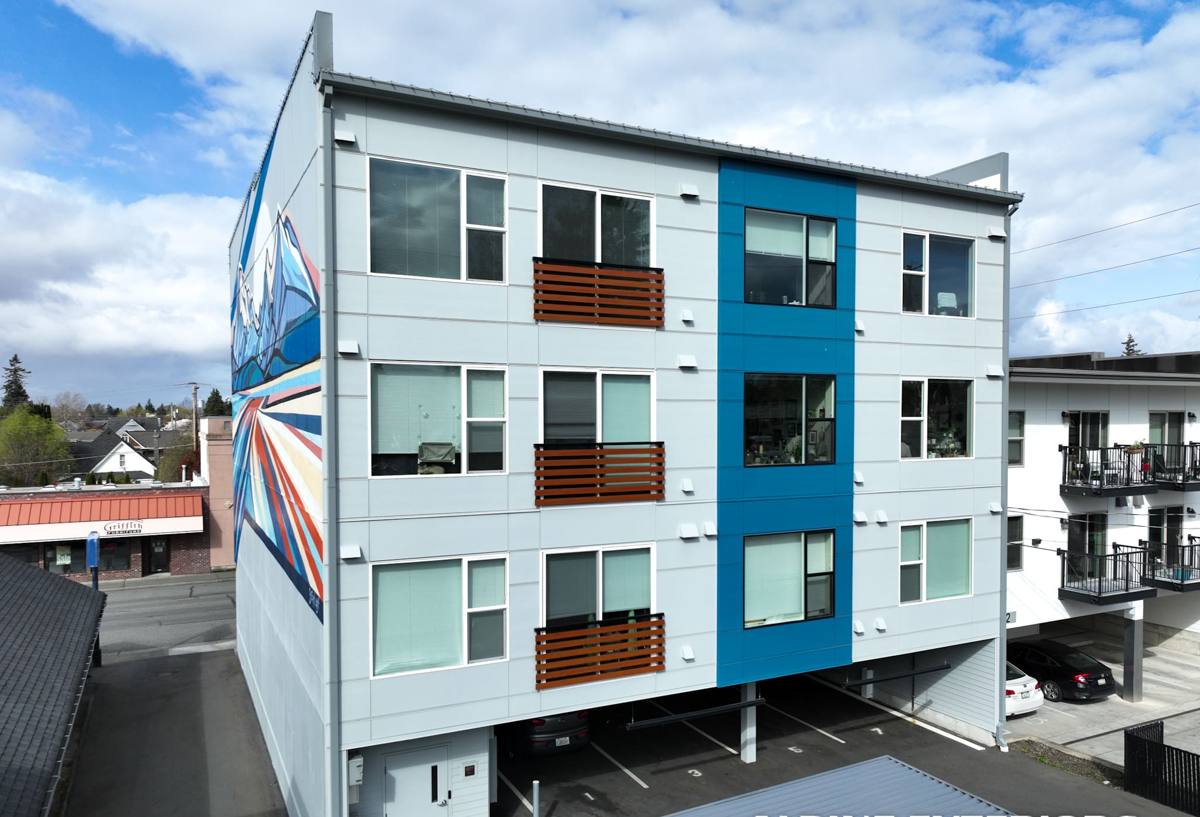
What Drayton Harbor's Climate Actually Does to Windows
Salt Air and Corrosion
Salt-laden air is drawn in off Drayton Harbor and Semiahmoo Bay almost daily. It settles on window frames, hardware, and especially on any exposed metal fasteners or hinges. Over time, salt exposure corrodes standard-grade hardware, pits aluminum cladding, and accelerates the breakdown of lower-quality vinyl and finishes. Windows facing the water directly take the worst of it, but even homes set back from the shoreline aren't immune — wind carries salt spray further than most homeowners expect.
Driving Rain and Wind-Driven Water Intrusion
This area gets rain that doesn't just fall straight down — wind off the harbor pushes it sideways into window assemblies. That means flashing details, sill pans, and the quality of the seal around the rough opening matter more here than in a sheltered inland location. A window that's watertight in a calm rain can still leak under sustained wind-driven rain if the installation details weren't done right.
Moss, Algae, and Prolonged Dampness
Whatcom County's long wet season means anything that holds moisture — wood sills, poorly ventilated frame cavities, north-facing glazing that never fully dries — becomes a candidate for moss and algae growth. Beyond looking bad, sustained dampness against wood trim or original wood-framed windows is one of the most common causes of rot we find when we open up an old window opening in this area.
Condensation and Marine Humidity
High ambient humidity off the water, combined with home heating in the cooler months, creates ideal conditions for interior condensation on underperforming glass. Persistent condensation between the glass and the frame, or fogging inside a sealed unit, is usually a sign the seal has already failed — a common issue we see on older double-pane windows that were never rated for this level of humidity.
What a Correct Window Job Looks Like Here
A window replacement done right for a Drayton Harbor home isn't just about the window unit itself — it's about everything around it. We treat each of the following as non-negotiable, not an upgrade:
- Corrosion-resistant hardware and fasteners rated for coastal exposure, not standard interior-grade hardware
- Properly lapped, sloped flashing and a sill pan that directs any incidental water back outside the wall assembly
- Sealants and backer rod rated for sustained UV and moisture exposure, applied to manufacturer spec rather than "close enough"
- Frame materials suited to salt air — vinyl and fiberglass hold up better here than raw wood or untreated aluminum over the long run
- Proper shimming and square installation so the sash operates smoothly and the seal isn't stressed unevenly by settling
- Attention to the existing wall's moisture management — house wrap, weep paths, and drainage plane continuity — so the new window doesn't trap water behind it
Skipping any one of these doesn't usually show up on install day. It shows up two or three winters later, as a soft spot in the sill, a fogged pane, or a stain spreading down the interior wall below the window.
Choosing Materials and Glazing for This Environment
There's no single "best" window for every home, but for Drayton Harbor's conditions, some choices consistently hold up better than others. The table below reflects what we weigh with homeowners during the estimate — not a sales pitch for one product, just an honest look at trade-offs.
| Factor | What to Look For Here | Why It Matters on the Harbor |
|---|---|---|
| Frame material | Vinyl or fiberglass over raw wood or bare aluminum | Resists salt corrosion and moisture absorption without ongoing maintenance |
| Glazing | Dual or triple pane with a quality low-E coating and argon fill | Reduces interior condensation risk and improves comfort against marine humidity swings |
| Hardware finish | Marine-grade or coated hardware | Standard hardware pits and seizes faster this close to salt water |
| Weatherstripping | Multi-point compression seals | Better resistance to wind-driven rain than a single friction seal |
| Sill and flashing detail | Sloped sill pan with rigid flashing, not caulk alone | Caulk is a maintenance item, not a waterproofing system — it degrades under UV and salt over time |
We don't push a single manufacturer as the only right answer. What we do insist on is that whatever product goes in gets installed with the flashing and sealing details above — a mid-grade window installed correctly will outlast a premium window installed sloppily, especially in this exposure.
Our Process for Custom Window Projects in This Area
1. On-Site Assessment
We start by inspecting the existing window openings, checking for rot, prior water intrusion, and how each elevation of the home is exposed to wind and salt off the harbor. South and west-facing openings usually need more attention here than those tucked on a sheltered side of the house.
2. Custom Measurement and Product Selection
Every opening is measured individually — older homes in this area often have slight variations from window to window, and "close enough" measurements lead to shimming problems and uneven seals. We talk through frame material, glazing package, and hardware options based on that specific opening's exposure, not a one-size-fits-all spec.
3. Removal and Opening Prep
Old windows are removed carefully so we can inspect the rough opening, sill, and surrounding framing for hidden moisture damage before anything new goes in. This is where we catch problems that wouldn't be visible from outside — soft framing, failed old flashing, or trapped moisture from a prior install.
4. Flashing, Sealing, and Installation
New sill pans and flashing are integrated with the home's existing drainage plane, the window is set square and shimmed correctly, and sealants are applied to manufacturer spec — not just a bead of caulk around the trim.
5. Final Check and Walkthrough
We test operation, check the seal, and walk the homeowner through basic care specific to this environment — what to watch for as moss season approaches, how to keep weep holes clear, and when a hardware check-up makes sense.
Signs Your Current Windows Are Losing the Fight
Homeowners around Drayton Harbor often ask how to tell whether it's time to replace versus repair. A quick self-check before calling anyone:
- Fogging or moisture between the panes that doesn't clear — the seal has failed and the unit can't be repaired, only replaced
- Visible moss or dark staining building up on the sill or lower frame, especially on shaded or north-facing windows
- Difficulty opening, closing, or locking — often corrosion or swelling in the frame or hardware
- A cold draft near the frame even with the window fully latched
- Soft or spongy trim or sill wood when pressed
- Paint or finish that's peeling or bubbling specifically around the window opening, not elsewhere on the wall
Any one of these on its own isn't necessarily urgent. Two or more together, especially combined with visible moss growth, usually means water has already found a way in and it's worth having someone look before the next wet season.
Why Local Experience on This Stretch of Coastline Matters
A window contractor who mostly works inland jobs will spec and install windows the same way whether the house is in Blaine, Bellingham, or on Semiahmoo Spit — and that's the problem. The flashing details, hardware grade, and glazing choices that hold up fine on a sheltered inland lot are often undersized for what a Drayton Harbor exposure actually delivers over a full year. Working this shoreline regularly means we've seen which details fail first here, and we build every install around avoiding those specific failure points rather than following a generic install checklist.
It also means we're not guessing at material choices — we know which frame materials and hardware finishes are holding up on homes we installed years ago in this same environment, and which ones needed earlier attention than expected.
What This Means for Your Project
Whether you're replacing a single failing window or doing a full custom window package for a home directly on Drayton Harbor, the goal is the same: match the product and the installation detail to what this specific location will throw at it over the next twenty-plus years, not just what looks good on install day. That's a different conversation than a standard window quote, and it's one worth having before you commit to a product.
If you're weighing options for a home in the Drayton Harbor area, we're happy to take a look and talk through what makes sense for your specific exposure — no pressure, no hard sell. Reach out for a free estimate using the form below.