 Semiahmoo Siding
 Windows Built for Drayton Harbor's Weather, Not Just the Showroom
Drayton Harbor sits right where Semiahmoo's marine air meets the open water, and that location is hard on windows in ways that inland Whatcom County homes never deal with. Salt-laden air corrodes hardware and finishes faster than manufacturers' warranties assume. Wind-driven rain off the harbor pushes water sideways into gaps that would stay dry almost anywhere else. And the long, damp moss season that runs from fall through spring keeps window sills, sashes, and the siding around them wet for weeks at a stretch. A window installation here isn't just about picking a style out of a catalog — it's about choosing products and installation details that actually hold up against this specific combination of exposure.
We install windows across Semiahmoo and the surrounding Whatcom County shoreline, and Drayton Harbor properties are some of the most exposed we work on. That's shaped how we spec materials, flash openings, and sequence the work — details in this page you won't find on a generic window replacement page.
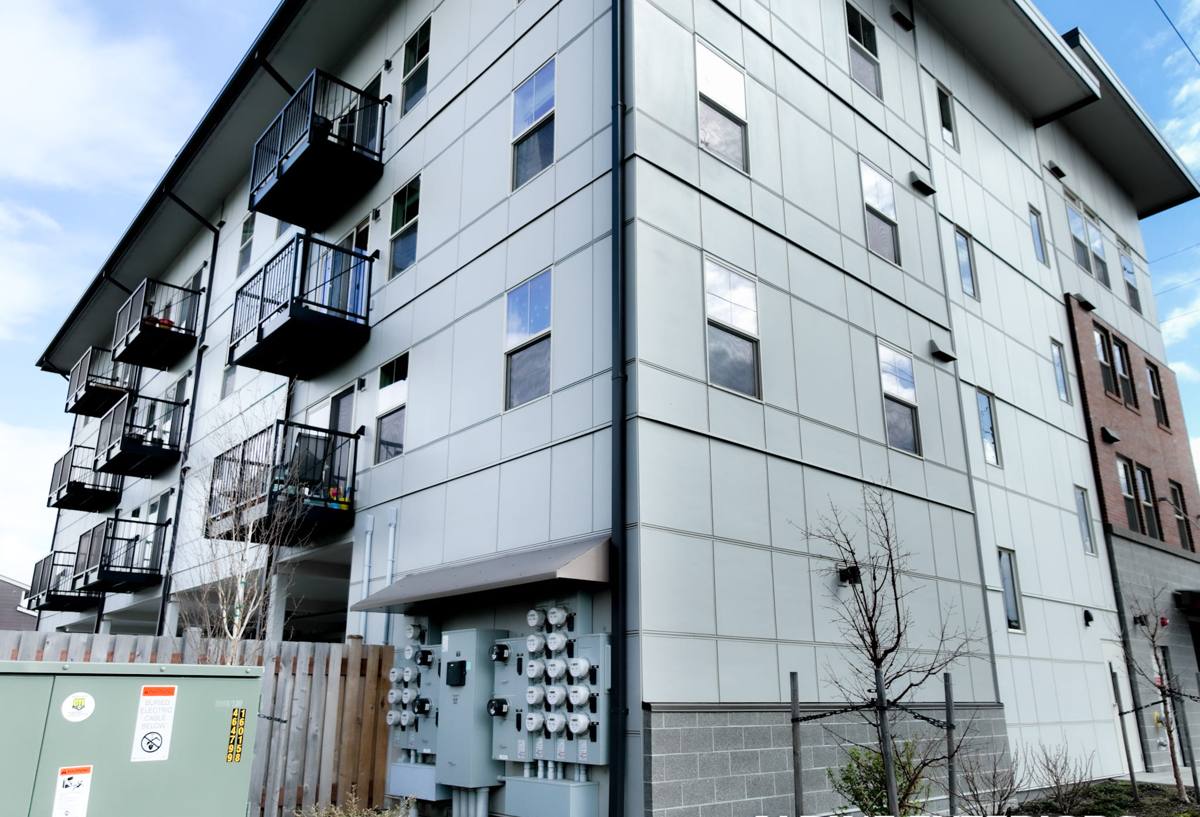
What Salt Air, Driving Rain, and Moss Season Do to Windows Over Time
Coastal exposure doesn't damage windows all at once — it works on them slowly, in a few predictable ways:
- Hardware corrosion: Cranks, locks, hinges, and even screws that aren't rated for coastal exposure pit and seize years before an inland install would show wear.
- Seal and gasket breakdown: Salt air accelerates the aging of rubber and vinyl weatherstripping, so seals that should last 15-20 years can fail in half that time.
- Wind-driven water intrusion: Ordinary rain falls straight down; driving rain off Drayton Harbor hits window openings at an angle, finding gaps in flashing or sealant that a calm-weather install would never expose.
- Moss and algae staining: During the long wet season, moisture sits on sills, tracks, and the siding just above and below each window, feeding moss and algae growth that traps even more water against the frame.
- Wood rot at the frame and sill: Once water gets behind a poorly flashed window, wood-based framing and sill material stays damp long enough in our climate to rot from the inside, often invisibly until the interior trim starts to soften.
None of this means windows can't perform well here — it means the installation details that get glossed over in drier climates are exactly the details that matter most in Drayton Harbor.
What a Correct Window Installation Actually Involves
A window installation is more than setting a new unit into an old opening. Done right, it's a sequence of steps that each address a specific failure point we see in coastal homes:
Opening Preparation and Sill Pan Flashing
Before a new window goes in, the opening gets inspected for existing rot or soft framing, and any damaged material is cut back to solid wood. A sill pan flashing — essentially a shallow waterproof pan under the window — is installed so that any water that does get past the window in a wind-driven storm drains back outside instead of soaking into the wall framing.
Integrated Water Management
The window's flashing has to tie into the home's existing weather-resistive barrier and siding in the correct shingle-lap order — top flashing overlapping the barrier above, side flashing overlapping the sill pan, so water always sheds downward and outward. This is the step most often done wrong on quick reinstalls, and it's the single biggest predictor of whether a window leaks in a storm five years later.
Insulation and Air Sealing
The gap between the window frame and the rough opening gets filled with a low-expansion foam or backer rod and sealant — not stuffed with fiberglass batting, which does nothing to stop air infiltration and can hold moisture against the frame.
Exterior Sealant and Trim
A marine-grade exterior sealant, applied to a clean and dry surface, seals the perimeter without trapping moisture behind it. Trim or brick mold gets reset or replaced so the whole assembly sheds water the way it was designed to.
Materials That Actually Hold Up on Drayton Harbor
We steer homeowners toward frame materials and glass packages that are proven against salt air and wind-driven rain, rather than whatever looks best in a showroom mockup. Here's how the common options compare for this specific exposure:
| Frame Material | Coastal/Salt-Air Performance | Maintenance | Typical Cost Tier |
|---|---|---|---|
| Vinyl | Good — won't rot or corrode; UV-stable finishes hold color | Low — occasional wash-down | Lower |
| Fiberglass | Excellent — dimensionally stable, resists warping in temperature swings | Low | Mid to higher |
| Aluminum-clad wood | Fair — cladding protects the exterior face, but end cuts and joints need careful sealing | Moderate — depends on cladding condition | Higher |
| Solid wood, unclad | Requires the most upkeep in this climate — finish and joints need regular attention to keep water out | High | Higher |
Our standard recommendation for Drayton Harbor is vinyl or fiberglass with corrosion-resistant (often stainless or coated) hardware, and a dual-pane, low-E glass package with argon fill. That combination handles the area's humidity and wind-driven rain with the least long-term maintenance burden — not because other materials are inherently bad, but because they demand a level of upkeep that most homeowners don't want to keep up with on a home exposed to the harbor.
Cost Factors for a Drayton Harbor Window Project
Every project is different, but the same handful of factors drive most of the price variation we see on window installations in this area:
| Factor | Why It Moves the Price |
|---|---|
| Number and size of openings | More or larger windows mean more material, labor, and flashing detail |
| Frame material and glass package | Fiberglass and upgraded low-E/argon glass cost more than standard vinyl |
| Condition of the existing opening | Hidden rot from long-term moisture exposure adds framing repair before the new window can go in |
| Full-frame vs. insert replacement | Full-frame replacement rebuilds the flashing and sill correctly but takes more labor than an insert into a sound existing frame |
| Access and siding tie-in | Upper-story or hard-to-access openings, or siding that needs to be pulled back and re-flashed, add time |
We give a firm, itemized number before any work starts, broken out by these factors — not a vague lump sum.
How Our Process Works
- On-site assessment: We inspect each opening from both outside and inside, checking for existing rot, past leak evidence, and how exposed the opening is to prevailing wind and rain.
- Written estimate: You get a clear scope and price, including which openings are full-frame replacements versus inserts, and what happens if we find hidden damage once trim is removed.
- Material selection: We walk through frame material, glass package, and hardware options suited to this site's exposure, not a one-size-fits-all package.
- Removal and inspection: Old windows come out, and the opening is inspected before anything new goes in — this is when hidden rot or old flashing mistakes get found and addressed.
- Flashing and installation: Sill pan, side and top flashing, insulation, and the new window go in following the sequence that keeps water moving outward, not into the wall.
- Sealing and siding tie-in: Exterior sealant and trim get finished, and any siding that was pulled back gets properly re-integrated so the whole wall assembly sheds water as one system.
- Final walkthrough and cleanup: We check operation, sealing, and cleanup with you before calling the job done.
Why Window Work and Siding Work Are Connected
A window is only as watertight as the wall it's set into. We're a siding contractor first, and that background matters for window installation because the flashing at a window's edges has to integrate with the house wrap and siding around it — not just the window itself. When we replace windows on a Drayton Harbor home, we're looking at the whole water-management picture: does the siding above the window direct water past the opening or into it, is the weather-resistive barrier still intact, and does the moss or algae staining we often see below a window indicate a slow leak rather than just surface growth. Contractors who only handle windows, without siding experience, sometimes miss this connection.
Signs Your Drayton Harbor Home May Need Window Attention
- Visible moss, algae, or dark staining on the siding directly below a window
- Soft or spongy wood trim around the window frame or sill
- Windows that are hard to open, close, or lock — a sign of hardware corrosion or frame movement
- Fogging or moisture between the panes of double-pane glass, meaning the seal has failed
- A noticeable draft or cold spot near the window frame in windy weather
- Peeling paint or bubbling on interior sills or trim, which often points to moisture getting in from outside
- Visible daylight or gaps around the frame when the window is closed
Why It Matters That We Already Work This Area
A crew that installs windows across Semiahmoo and Drayton Harbor regularly already knows which directions catch the worst wind-driven rain, which older homes tend to have hidden rot from past water intrusion, and which hardware and sealant products actually hold up through a full Whatcom County wet season rather than just looking good on install day. That local pattern recognition is the difference between a window that's technically installed and one that's installed correctly for where it sits. It also means we're not learning on your home — we're applying what we've already confirmed works here.
If you're weighing window replacement or noticing any of the warning signs above, we're glad to take a look and give you a straightforward, no-pressure estimate — just fill out the form below.