 Semiahmoo Siding
 Siding That Has to Work Against Salt Air, Rain, and Moss — All at Once
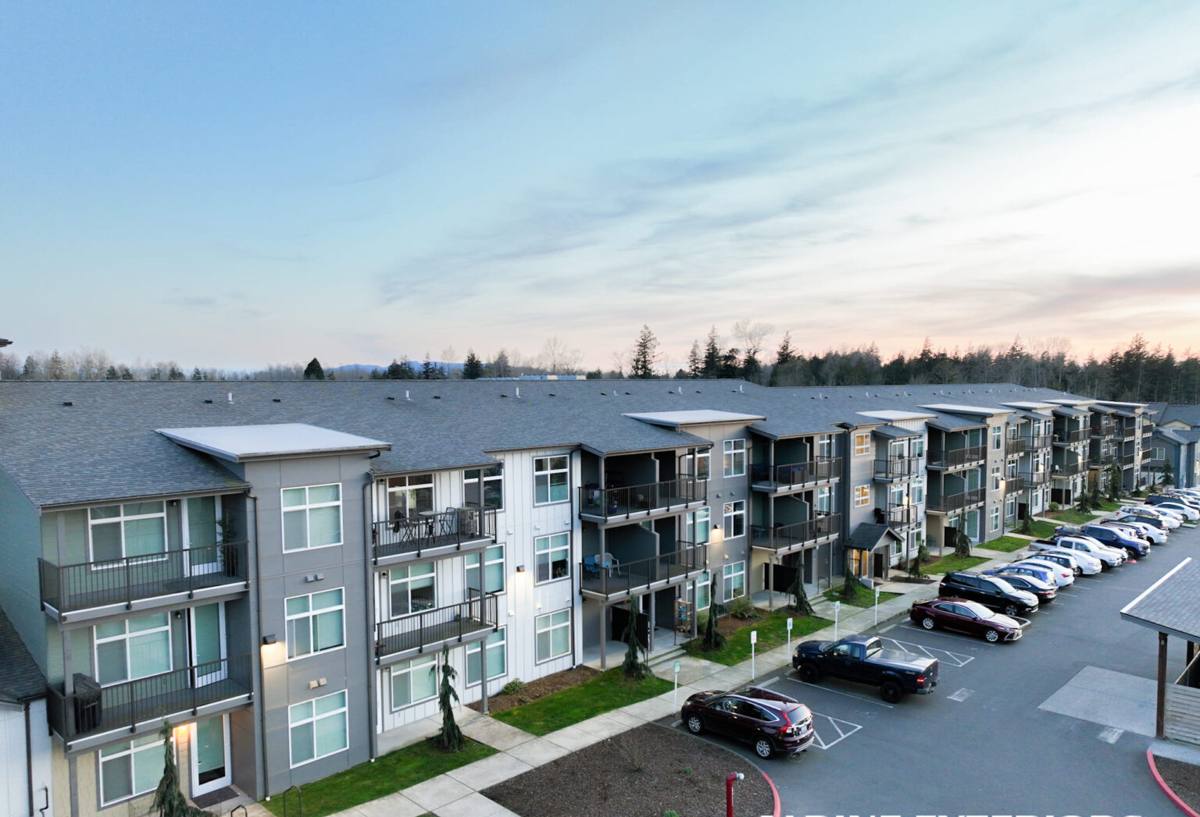
California Creek sits close enough to the water that salt-laden air is a daily fact of life for the homes here, not an occasional nuisance. Add Whatcom County's long, wet winters and the shaded, damp stretches that let moss and algae take hold on north- and west-facing walls, and you've got a combination that punishes siding faster than almost anywhere else in Western Washington. This isn't a page about siding in general. It's about what fiber cement siding needs to do, specifically, on a California Creek home — and what it takes to install it so it actually holds up to that combination.
Homeowners in this area often come to us after a different product has already started showing its age: swelling at the bottom edges, black streaking under eaves, paint that's chalked and faded years ahead of schedule, or seams that have opened up just enough to let water behind the wall. None of that is inevitable. It's a product-and-installation problem, and it's fixable with the right material put on the right way.
What California Creek's Climate Actually Does to Siding
Salt Air
Airborne salt is corrosive to metal fasteners and trim, and it accelerates the breakdown of paint films and less-durable siding substrates. Over years, salt exposure shows up as pitting on exposed metal, premature caulk failure, and finishes that dull and chalk faster than the same product would inland.
Driving Rain
Wind-driven rain off the water doesn't just fall straight down — it gets pushed sideways into laps, joints, and butt seams. Any siding system with weak water-shedding details (undersized overlaps, poorly flashed penetrations, caulk used as the primary water barrier instead of proper lapping) will eventually let moisture behind the cladding. Once water gets behind siding and can't dry out, rot and mold follow.
Moss and Algae
Shaded walls, damp ground cover, and long stretches of overcast, wet weather create ideal conditions for moss and algae growth on exterior surfaces. Some siding materials absorb moisture into the substrate itself, which feeds organic growth from the inside out. Others simply hold surface moisture longer because of texture or finish, giving spores more time to establish.
Put those three factors together and you get a simple standard: siding for this neighborhood has to resist moisture absorption at the material level, shed wind-driven rain through good detailing rather than caulk alone, and hold a factory finish that doesn't break down under salt exposure. That's the standard we install to.
Why We Install James Hardie Fiber Cement — And Only James Hardie
We're a James Hardie-only siding company. We don't install vinyl, LP SmartSide, Cemplank, Allura, or unfinished wood siding, and we're upfront about why: those products each carry real trade-offs — moisture sensitivity, maintenance burden, finish durability, or warranty structure — that we're not willing to install and then stand behind on a coastline like this one.
Fiber cement is a mix of cement, sand, and cellulose fiber, engineered to be dimensionally stable and resistant to moisture absorption in a way that wood-based and vinyl products aren't. James Hardie backs that up with two things that matter directly for California Creek:
- HZ5 climate engineering — Hardie manufactures siding in different formulations tuned to regional climate zones. Product specified for our climate zone is engineered for wet, moderate-temperature conditions like ours, rather than a generic one-size-fits-all mix.
- ColorPlus Technology — a factory-applied, baked-on finish that's more UV- and weather-stable than field-applied paint, which matters when salt air and sun are working against the finish year-round.
Fiber cement is also non-combustible, which is a genuine advantage for wildfire-adjacent risk and for insurance considerations, and it holds paint and factory finishes far longer than wood substrates because it doesn't swell and contract with moisture the way wood fiber products do.
What Correct Installation Actually Involves
Fiber cement siding is only as good as its installation. The material itself resists moisture, but a sloppy install can still let water behind the wall — and once that happens, the siding's durability doesn't matter. Here's what we hold every California Creek job to:
- Weather-resistive barrier first. A correctly lapped and sealed water-resistive barrier goes on before any siding, with attention to every penetration — hose bibs, vents, light fixtures, electrical.
- Proper flashing at every horizontal transition. Window heads, doors, deck ledgers, and roof-to-wall intersections all get flashed to shed water outward, not caulked and hoped for.
- Correct starter strip and clearance. Hardie specifies minimum clearances from grade, roofing, decks, and walkways so the bottom edge of the siding never sits in standing moisture.
- Manufacturer-specified fastening. Corrosion-resistant fasteners, driven at the right depth and spacing — critical in a salt-air environment where the wrong fastener corrodes and stains the face of the siding.
- Butt joints sealed or flashed per spec. Every horizontal seam is a potential water entry point; Hardie's installation instructions specify how each one should be treated, and we follow them.
- Field-cut edges sealed. Any cut edge exposes raw fiber cement that needs to be primed and sealed before it's closed in, so it doesn't wick moisture.
None of this is exotic. It's the manufacturer's published installation spec, followed completely, on every wall — not just the ones that are easy to reach.
How Our California Creek Jobs Run
1. On-Site Assessment
We walk the exterior with you, looking at moisture history, moss and algae patterns, existing trim condition, and any areas where past siding has already failed. This tells us where extra attention is needed — a shaded north wall behaves differently than a wall that gets full afternoon sun and wind.
2. Tear-Off and Sheathing Check
Old siding comes off and we inspect the sheathing underneath. In a climate like this, it's common to find soft spots or hidden rot behind failed siding, especially around old window flashing or penetrations. We flag anything that needs repair before new siding goes on — covering damaged sheathing just traps the problem.
3. Water-Resistive Barrier and Flashing
This is the step that determines whether the wall stays dry for the next 30-50 years, and it's the step that's easiest to rush. We don't rush it.
4. Siding Installation
Panels and planks go up to Hardie's fastening and clearance specs, with careful attention to butt joints, corners, and trim details that hold up to wind-driven rain off the water.
5. Final Walkthrough
We review the finished work with you, including care and maintenance basics specific to a salt-air, high-moss environment.
James Hardie vs. Other Siding Options for This Climate
| Factor | James Hardie Fiber Cement | Vinyl | LP SmartSide | Cedar / Primed Wood |
|---|---|---|---|---|
| Moisture absorption | Very low | Doesn't absorb, but seams/expansion gaps can let water behind | Engineered wood — vulnerable at cut edges and joints | High — wood absorbs and releases moisture constantly |
| Moss/algae resistance | Good; factory finish sheds surface moisture | Fair; can trap moisture behind panels | Fair to poor if finish is compromised | Poor without frequent treatment |
| Finish durability in salt air | Strong — baked-on ColorPlus finish | Color can fade/chalk over time | Field-applied or factory paint, needs upkeep | Requires regular refinishing |
| Fire resistance | Non-combustible | Melts/deforms under heat | Combustible (wood-based) | Combustible |
| Typical maintenance | Periodic wash, repaint on a long cycle | Low, but limited repair options if damaged | Regular caulk/paint upkeep at joints | Frequent sealing, staining, or painting |
What Drives Cost on a California Creek Job
Every home is different, but the same handful of factors drive most of the price variation we see in this neighborhood:
| Cost Factor | Why It Matters |
|---|---|
| Home size and wall complexity | More corners, gables, and dormers mean more cutting, flashing, and labor per square foot. |
| Existing siding removal | Tear-off of old material and disposal adds labor, especially with multiple layers. |
| Sheathing repair | Moisture damage found during tear-off (common in this climate) needs to be repaired before new siding goes on. |
| Siding line and profile | Lap, shingle, and panel styles carry different material and labor costs. |
| Trim and accessory work | Fascia, corner boards, and trim in a matching or complementary finish add to scope. |
| Access and site conditions | Slopes, tight lot lines, and proximity to the water can affect staging and scaffolding needs. |
We give straightforward, itemized estimates so you can see exactly what you're paying for — not a vague lump sum.
Signs Your Current Siding Is Already Losing the Fight
- Persistent moss or algae staining that returns within months of cleaning
- Soft or spongy spots when you press on the siding, especially near the bottom courses
- Visible gaps opening at butt joints or corners
- Paint that's peeling, bubbling, or chalking well ahead of its expected repaint cycle
- Warping, buckling, or panels that no longer sit flat against the wall
- Rust streaks below fasteners or trim
- Interior signs like musty smells or discoloration on walls that back up to exterior siding
Any of these is worth a look before it turns into a sheathing or framing repair, which costs a lot more than the siding itself.
Caring for Fiber Cement Siding on the Coast
Fiber cement is low-maintenance compared to wood or vinyl, but "low-maintenance" isn't "no-maintenance" — especially in a salt-air, high-moss climate. A simple annual routine goes a long way:
- Rinse the exterior with a garden hose (not a pressure washer aimed directly at seams) once or twice a year to clear salt residue and organic buildup
- Keep gutters clear so overflow isn't running down the face of the siding
- Trim back vegetation and tree cover that keeps walls shaded and damp longer than necessary
- Watch caulked joints around trim and penetrations for cracking, and have them resealed before they fail
- Repaint on the long cycle Hardie's ColorPlus finish allows, rather than waiting until it's visibly failing
Why Hiring a Crew That Already Works This Coastline Matters
Fiber cement installation instructions are the same on paper everywhere. What isn't the same is judgment calls made in the field — how much clearance to leave near a low retaining wall, which walls need extra flashing attention because they catch prevailing wind off the water, where moss pressure is high enough to change how a wall is detailed. A crew that has done this work around Semiahmoo and California Creek repeatedly has already made those calls, seen what fails first in this climate, and builds accordingly. That's the difference between siding that looks right on installation day and siding that's still performing correctly in year twenty.
If you're weighing a siding replacement or new construction project in California Creek, we'd be glad to walk your property, look at what your home's exposure actually is, and put together a straightforward, no-pressure estimate for James Hardie fiber cement siding done right. There's a form below — reach out and we'll get you scheduled.