 Semiahmoo Siding
 Window Installation Built for Laurel's Climate
Laurel sits close enough to the water that homes here deal with a different set of pressures than houses further inland. Salt-laden air moves through the area, driving rain comes in sideways more often than straight down, and the long, damp stretch of the year keeps moss and mildew active on anything that holds moisture. Windows are one of the first places that shows up. A window that's a good fit for a dry inland climate can struggle here if it wasn't installed with this specific combination of salt, wind-driven rain, and prolonged dampness in mind.
We install windows for homes in and around Laurel and understand what the local conditions do to frames, seals, and flashing over time. This page walks through what a correct window installation actually involves in this area, what to look for in materials and workmanship, and how our process works from first estimate to final walkthrough.
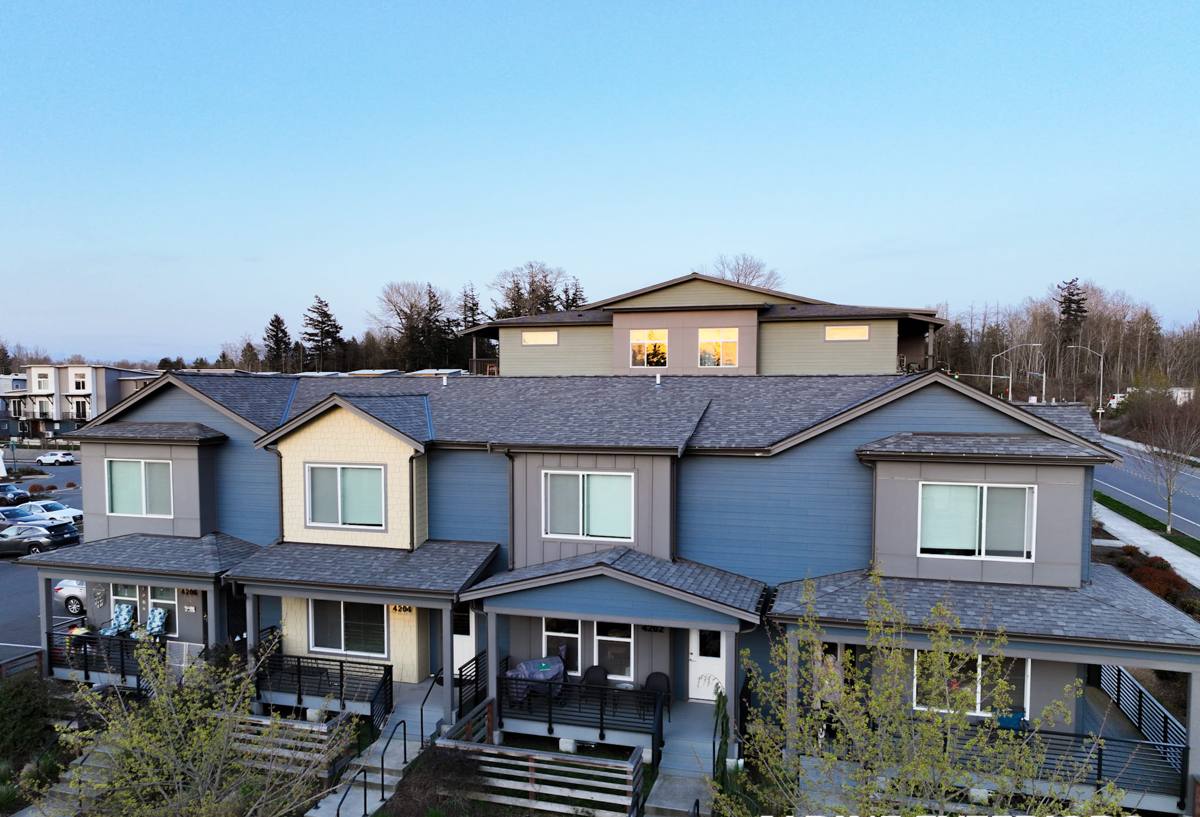
What Whatcom County Weather Does to Windows
Before talking about installation, it helps to understand the failure points we're designing against. These aren't hypothetical — they're the patterns we see repeatedly on older or poorly installed windows in this part of Whatcom County.
Salt Air and Metal Hardware
Homes closer to the water see accelerated corrosion on window hardware — hinges, cranks, locks, and screws — especially anything that isn't rated for coastal exposure. Aluminum cladding and lower-grade fasteners can pit and corrode years before they would inland. This doesn't mean every window needs to be marine-grade, but it does mean hardware selection matters more here than it would in, say, eastern Whatcom County.
Driving Rain and Wind-Loaded Water
Rain in this area frequently comes with enough wind behind it to push water sideways and upward against a wall, not just straight down. A window that relies purely on gravity to shed water — rather than proper flashing, sloped sills, and a correctly lapped weather-resistive barrier — is more likely to see water intrusion at the sill and jambs during a hard blow.
Extended Moss and Moisture Season
The long wet season keeps humidity elevated for months at a time. Around windows, that shows up as slow moisture creep into trim and framing if the installation didn't include proper sealing and drainage. It also means moss and algae growth on exterior trim and sills, which isn't just cosmetic — moss holds moisture against wood and paint longer than a clean, well-drained surface would.
What a Correct Installation Actually Involves
A window installation is judged almost entirely on what you can't see once it's done — the flashing, the sealant, the way water is directed back out rather than trapped inside the wall. Here's what we consider non-negotiable on every job in this area.
- Removal and inspection: Old window and any surrounding trim come out cleanly, and we inspect the rough opening and sheathing for rot, soft spots, or prior water damage before anything new goes in.
- Sill pan flashing: A sloped, sealed sill pan directs any water that gets past the window back outside the wall assembly instead of letting it sit on the sill framing.
- Proper flashing sequence: Flashing tape and building paper are integrated in the correct shingle-lap order — sill, jambs, then head — so water always sheds downward and outward, never behind the layer below it.
- Air-seal and insulation at the gap: The gap between the window frame and rough opening is sealed and insulated correctly, not overpacked with expanding foam that can bow the frame.
- Level, plumb, and square set: A window that isn't set correctly will bind, leak at the corners, or wear its weatherstripping unevenly within a few years.
- Exterior trim and caulking rated for coastal exposure: Sealants and finish materials that hold up under UV, salt air, and sustained moisture, not just standard interior-grade caulk.
- Final water test where conditions warrant it: On exposed elevations, we check that water sheds correctly before calling the job done.
Choosing the Right Window for a Laurel Home
Not every window product is a good match for this exposure. We look at frame material, glazing, and hardware together rather than picking based on price or appearance alone.
| Factor | Why It Matters Here |
|---|---|
| Frame material | Vinyl and fiberglass resist salt-driven corrosion better than untreated or poorly clad aluminum; both hold up well against sustained coastal moisture. |
| Hardware finish | Corrosion-resistant hardware avoids premature pitting on cranks, hinges, and locks in salt-air exposure. |
| Glazing / seal quality | A dependable insulated glass seal matters more here — humidity swings put more stress on seals than a drier inland climate would. |
| Sill design | Sloped sills with integrated weep paths drain wind-driven rain instead of letting it pool. |
| Finish/paint system | A finish that resists moss and mildew staining keeps trim looking clean longer and reduces upkeep. |
| Warranty structure | We favor manufacturers with clear, honest warranty terms over flashy but vague coverage claims — read the fine print with us before you commit. |
We'll walk through these trade-offs with you directly rather than pushing a single brand. The right choice often comes down to your home's exposure, your budget, and how much long-term maintenance you're willing to take on.
Signs Your Laurel Home's Windows Need Attention
Homeowners often wait longer than they should before addressing window problems, partly because the damage is gradual and partly because it's hidden behind trim and siding. Watch for these signs:
- Soft or discolored wood trim around the window frame, especially at the bottom corners
- Fogging or moisture between panes of double-glazed windows — a sign the seal has failed
- Drafts you can feel even with the window fully latched
- Difficulty opening, closing, or locking that wasn't there a year or two ago
- Visible moss or dark staining building up on sills and exterior trim
- Paint or caulk that's cracking, peeling, or pulling away from the frame
- A musty smell near the window that doesn't go away with ventilation
Any one of these on its own might not be urgent. Several together, or any sign of soft wood, usually means water has already made it past the original installation and it's worth having someone look before it spreads further into the wall.
Our Process, Start to Finish
1. On-Site Assessment
We come to your Laurel property, look at the existing windows, the surrounding trim and siding, and the home's exposure to wind and rain from each direction. This tells us whether we're dealing with a straightforward swap or a situation where flashing and framing repair need to happen first.
2. Honest Recommendation
We'll tell you what we'd actually do if it were our own house — including when a full replacement isn't necessary and a repair or targeted resealing would do the job. We're not paid more for pushing product you don't need.
3. Written Estimate
You get a clear, itemized estimate before any work starts — materials, labor, and scope, no vague allowances buried in the fine print.
4. Careful Removal and Prep
We protect your landscaping and interior finishes, remove the old window and trim, and inspect the opening before installing anything new.
5. Installation to the Standard Above
Sill pan, flashing sequence, air-sealing, and a level, plumb, square set — every window, every time, regardless of whether it's one window or a whole-house replacement.
6. Final Walkthrough
We check operation, look at the finished trim and caulk lines, and answer any questions before we consider the job done.
Why It Matters That We Already Work in This Area
A crew that installs windows across a wide range of inland climates and only occasionally works near the water can miss details that matter here — the extra attention to hardware corrosion resistance, the flashing details that matter more under sustained wind-driven rain, the trim finishes that hold up against moss rather than feeding it. Working regularly in Laurel and the surrounding Whatcom County coastline means we're not guessing at what this exposure does to a window installation over five or ten years — we've seen it, and we build around it from the start.
We also know that not every home needs the same solution. A window on a sheltered, inland-facing wall doesn't need the same treatment as one on the exposed side of a house catching the brunt of a storm off the water. Part of doing this work honestly is not overselling protection a given window doesn't need — and not skimping on it where it does.
Maintenance That Extends the Life of a New Installation
Even a correctly installed window benefits from basic upkeep, especially in this climate. A short annual routine goes a long way:
- Rinse sills and tracks to clear salt residue and prevent moss from taking hold
- Check and reapply exterior caulk at the trim joints every few years, sooner if you see cracking
- Keep gutters and downspouts clear so runoff isn't sheeting directly down the wall past your windows
- Trim back vegetation that keeps trim shaded and damp longer than it needs to be
- Operate each window a few times through the year so hardware doesn't seize from disuse
None of this is complicated, but skipping it is one of the more common reasons a well-installed window starts showing problems earlier than it should in a coastal-adjacent climate like this one.
Get a Free, No-Pressure Estimate
If you're dealing with drafty, foggy, or hard-to-operate windows in Laurel, or you're planning ahead for a full replacement, we're happy to take a look and give you a straight answer about what your home actually needs. Use the form below to request a free estimate — no pressure, no obligation.