 Semiahmoo Siding
 Fiber Cement Siding in Peace Arch: Built for a Border Waterfront
Peace Arch sits on the waterfront edge of Blaine, right where Whatcom County meets the international border along Semiahmoo Bay. It's a setting that puts homes in near-constant contact with marine air and weather systems moving in straight off the water, more than similar properties set even a short distance inland see. For siding specifically, that exposure changes what "correct" looks like on this stretch of the coast. A product and installation that perform fine in a sheltered inland neighborhood can start showing problems within a few years on an exposed Peace Arch lot if the material or the details aren't right for the setting.
This page is about one thing: fiber cement siding for homes in Peace Arch. We install James Hardie fiber cement and nothing else, and below is what this local climate asks of that material, what a correct installation actually involves here, and why it matters to hire a crew that already works this specific part of the county rather than one that treats every job the same regardless of where the house sits.
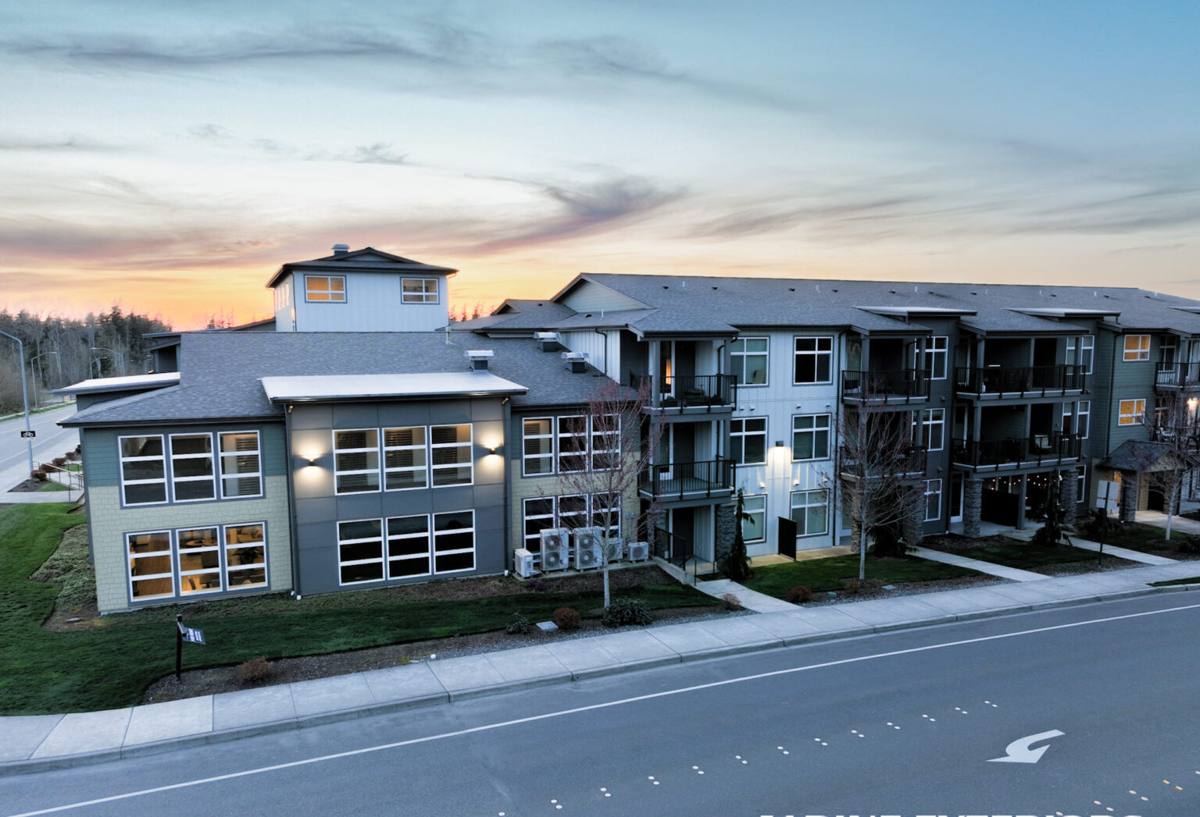
What Peace Arch's Climate Asks of a Siding System
Salt Air Off Semiahmoo Bay
Being this close to the water means Peace Arch homes take in salt-laden air on a near-daily basis, not just during storms. Salt accelerates corrosion in fasteners, flashing, and exposed metal trim, and it breaks down lower-quality paints and coatings faster than they'd wear in a drier, more sheltered setting. On a fiber cement project, fastener grade and finish quality aren't places to cut a corner — they're usually the first things to show wear on a waterfront property if the wrong choices get made at the start.
Driving Rain With Little Windbreak
This part of the Blaine waterfront doesn't have much standing between homes and open water, so storms moving in off the bay tend to push rain sideways into wall assemblies rather than letting it fall straight down. That sideways pressure finds its way into joints, laps, and penetrations that a calmer inland lot would never really test. A fiber cement installation for a Peace Arch home has to plan for that kind of wind-driven moisture load as a baseline condition, not as an unusual event.
A Long Moss and Mildew Season
Mild temperatures and near-constant humidity give moss and mildew a growing season that runs most of the year across this part of Whatcom County, and shaded or north-facing walls are usually where it takes hold first. Fiber cement resists moss and mildew far better than porous or wood-based siding materials, but the factory finish and any exposed joints still need to be installed and maintained correctly to keep that resistance intact over the decades the material is meant to last.
Why James Hardie Fiber Cement Is What We Install Here
We install James Hardie fiber cement exclusively — not LP SmartSide, vinyl siding, Cemplank, Allura, primed spruce, or cedar. That's a professional standard we settled on after years of tear-offs and service calls on exposed, waterfront properties like the ones along Peace Arch, not a supplier relationship or a sales angle.
- Non-combustible core: Fiber cement doesn't feed a fire the way wood-based siding products can, which matters for both safety and, in many cases, insurance underwriting.
- Factory-applied ColorPlus finish: Color is baked on under controlled factory conditions instead of brushed on in the field, so it holds up longer against fading, chalking, and moisture intrusion than site-applied paint.
- Climate-engineered HZ product lines: Hardie's HZ5 formulation is built for regions with sustained moisture exposure and freeze-thaw cycling, which describes the Semiahmoo Bay waterfront well.
- Dimensional stability: Fiber cement doesn't swell, cup, or warp the way engineered wood products can after repeated wetting through a long wet season.
- Strong transferable warranty: Hardie backs its product with one of the more substantial warranty structures in the industry, as long as the installation follows their published specification.
Each of the products we don't install has a legitimate place in the market, and plenty of homeowners elsewhere are happy with them. On a property that takes this much salt air and wind-driven rain, though, we've made a professional call to stand fully behind one system rather than offer something cheaper that quietly shifts long-term maintenance risk onto the homeowner.
What a Correct Fiber Cement Installation Involves
Fiber cement only performs the way it's engineered to when it goes on to Hardie's published spec, and on an exposed waterfront lot like the ones in Peace Arch, the installation details carry more weight than they would in a calmer, drier climate.
- Rain screen gap: A small drainage cavity behind the siding lets any moisture that does get past the exterior surface drain and evaporate instead of sitting against the wall sheathing.
- Correct fastener type and spacing: Hardie specifies fastener placement and corrosion-resistant fastener grades for a reason — loose spacing or the wrong fastener is one of the more common causes of early siding failure we find on tear-offs near the water.
- Properly lapped house wrap and flashing: Every seam and penetration needs to shed water downward and outward, especially on walls that take wind-driven rain directly off the bay.
- Sealed butt joints and trim transitions: Open or poorly sealed joints are where salt-laden moisture finds its way behind the siding first, and they're often the hardest thing to fix after the fact.
- Correct clearance from grade and roof lines: Siding installed too close to the ground or to a roof plane holds moisture against the bottom edge far longer than the material is designed to tolerate.
None of this is exotic. It's the manufacturer's own installation specification, followed consistently on the parts of the job that are hardest to see once the siding is up and the crew has moved on.
Our Fiber Cement Process for a Peace Arch Home
- On-site assessment. We walk the property and look at how the existing siding, if any, has handled moisture and salt exposure over time, including at corners, window trim, and any north-facing or shaded walls.
- Written scope and timeline. Before any work begins, we put together a clear scope covering material, tear-off versus overlay, and any substrate repair we can anticipate from the initial walk.
- Tear-off and substrate check. Once old siding comes off, we check the sheathing and framing underneath for moisture damage, since that's often where hidden problems on a waterfront property actually live.
- Installation to spec. Rain screen detailing, fastener type and spacing, flashing, and joint sealing all follow Hardie's published requirements, not a shortened version of them.
- Final walkthrough. We go over the finished work with the homeowner and cover what routine maintenance looks like for a fiber cement system in this specific climate.
Cost Factors for Fiber Cement Siding in Peace Arch
| Factor | What It Affects | Waterfront Consideration |
|---|---|---|
| Home size and wall area | Total material and labor quantity | More corners, dormers, or gables add cutting and trim time |
| Tear-off vs. overlay | Whether old siding needs full removal | Substrate repair is more likely if moisture already got behind the old siding |
| Trim and detail complexity | Corner boards, window and door trim, fascia work | More transitions mean more flashing and joint work to get right |
| Existing moisture damage | Sheathing or framing repair needed before new siding goes on | More common on walls facing directly into the bay |
| Color and finish selection | Which ColorPlus factory finish options are used | Factory finish resists salt-air fading better than field-applied paint |
These are general cost drivers, not a quote. Every home in Peace Arch sits at a slightly different distance from the water and under different tree cover, and two houses on the same block can need very different scopes once old siding actually comes off. That's why we walk the property before putting a real number on the work, and why we're cautious about phone or online estimates that skip that step.
Signs a Peace Arch Home Needs New or Repaired Siding
- Soft or spongy siding near the base of walls or around window trim
- Moss or dark staining that returns quickly after cleaning, especially on shaded or north-facing walls
- Visible cupping, warping, or gaps opening up at joints and seams
- Peeling, chalky, or faded paint on older wood or engineered wood siding
- Rust streaking near fasteners or trim, more common this close to the water
- Interior staining on walls near exterior corners after a windy storm off the bay
Why a Crew That Already Works Peace Arch Matters
A contractor who regularly works this stretch of the Whatcom County waterfront already knows how salt air, wind-driven rain, and a long moss season behave differently here than they do even a few miles inland in Blaine proper. That familiarity shows up in the small decisions — which fastener grade to use, where to add extra flashing attention, how tightly to detail a joint on a wall that takes rain straight off the bay — and those details are what determine whether a fiber cement installation lasts three decades or needs attention again within a few years.
Questions Worth Asking Before Hiring for Fiber Cement Work Here
- Ask how many fiber cement projects they've completed on waterfront or border-adjacent properties specifically
- Confirm current Washington contractor licensing and active liability insurance
- Ask how they detail flashing and joints for wind-driven rain coming off open water
- Ask what happens to pricing if moisture damage is found once old siding comes off
- Get a clear, written scope of work before signing anything
If you're weighing fiber cement siding for a home in Peace Arch, we're happy to walk the property with you and give an honest read on what it actually needs. Reach out below for a free, no-pressure estimate.