 Semiahmoo Siding
 Decks at Semiahmoo Resort Take a Different Kind of Beating
A deck in Semiahmoo Resort doesn't age the way a deck fifteen miles inland does. This is a spit of land surrounded by Semiahmoo Bay and Drayton Harbor, which means salt-laden air is a daily fact of life, not an occasional weather event. Add Whatcom County's long wet season, near-constant humidity, and the shade cast by mature evergreens on many lots, and you have a near-perfect recipe for accelerated wood decay, corroded hardware, and a moss carpet that never fully dries out. We've replaced enough decks in this specific stretch of coastline to know what actually fails here first, and it's rarely the framing everyone worries about — it's the fasteners, the ledger connection, and the board species that was never rated for this kind of exposure.
This page is about one job, done right, for this one neighborhood: full deck replacement. Not a fresh coat of stain over rot, not sistered joists patched around a soft spot — a proper tear-off and rebuild that accounts for what Semiahmoo's climate actually does to a structure over time.
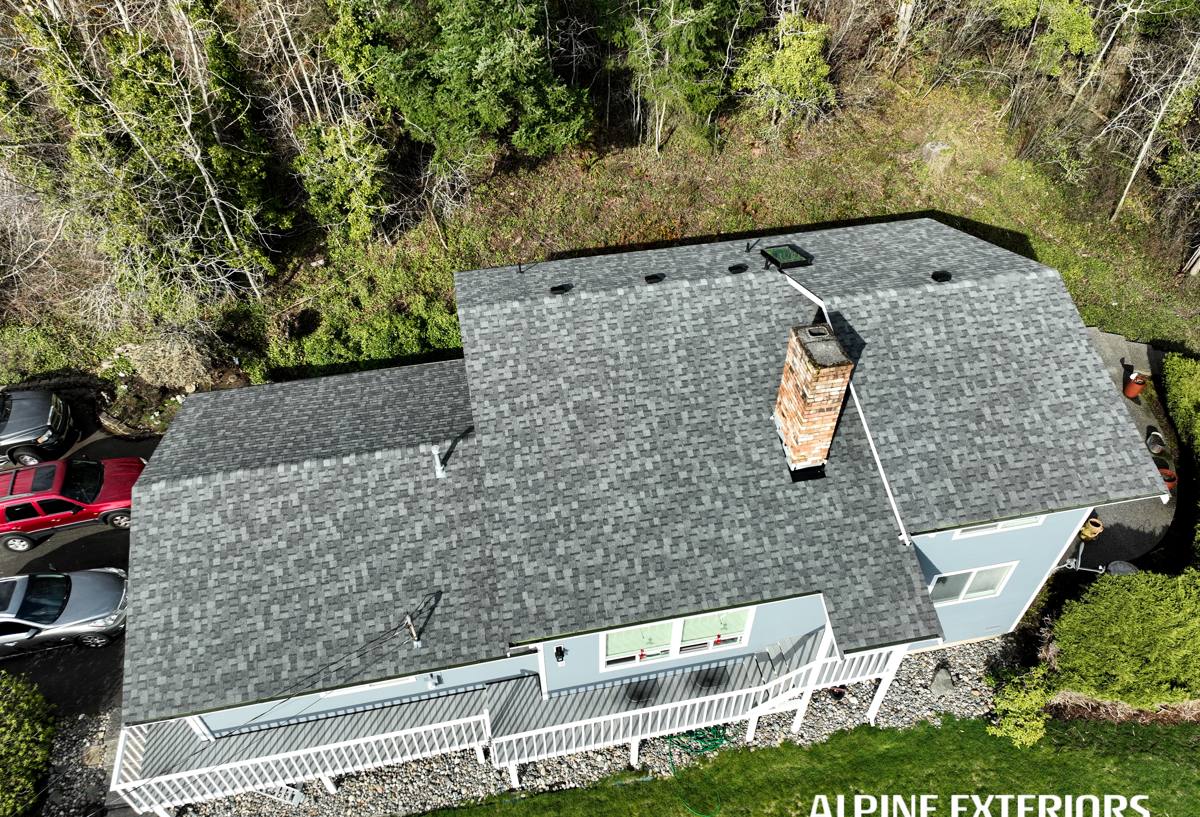
Why Salt Air, Rain, and Moss Are a Worse Combination Than Any One Alone
Any single one of these stressors is manageable. Together, they compound each other in ways a lot of deck repairs don't account for.
- Salt air accelerates corrosion on fasteners, joist hangers, and any exposed metal connectors — even galvanized hardware has a shorter service life this close to the water.
- Driving rain off the bay tends to hit decks at an angle, driving moisture into end grain, board gaps, and any spot where flashing or sealant has started to fail.
- Extended moss season — often eight or nine months of the year in this microclimate — holds moisture against the deck surface long after a normal dry-out period would have occurred elsewhere in Whatcom County.
The result is a deck that can look fine from a distance while quietly losing structural integrity underneath. Surface staining, slight sponginess near the ledger board, and hardware bleeding rust stains are the early tells. By the time boards are visibly cupping or hardware is visibly corroded, the deck has usually been compromised for a while.
The Ledger Board Is the Single Most Important Connection
The ledger board — where the deck attaches to the house — is where most structural failures in this climate actually start. It sits in a spot that traps moisture against the house rim joist if flashing isn't installed correctly, and it's the connection point carrying the most load. On a full replacement, correcting ledger flashing and fastening is not optional. It's the difference between a deck that's structurally sound in ten years and one that's a liability.
What a Correct Deck Replacement Involves Here
A deck replacement isn't just new boards on old framing. Done properly for this environment, it includes:
- Full tear-off and inspection of the substructure — posts, beams, joists, and the ledger connection — to confirm what's actually salvageable versus what's compromised.
- Structural framing rebuild using lumber and hardware rated for coastal, high-moisture exposure, not standard-grade materials.
- Corrosion-resistant fasteners and connectors throughout — this is the single biggest upgrade over a repair-in-place approach, since mismatched or under-rated hardware is often what fails first near saltwater.
- Proper ledger flashing that directs water away from the house rim joist instead of trapping it against the framing.
- Decking material selection matched to how much sun, shade, and moss exposure the specific lot actually gets.
- Drainage and grading check underneath the deck so water has somewhere to go instead of pooling against posts and footings.
- Railings and stairs rebuilt to current code, since older decks in this area often predate current guard and baluster spacing requirements.
Choosing a Decking Material for a Salt-Air, High-Moss Lot
There's no single "best" decking material for every Semiahmoo Resort property — it depends on sun exposure, tree cover, and how much upkeep the homeowner actually wants to do. Here's how the common options compare in this specific climate:
| Material | How it handles salt air & moisture | Moss/mildew resistance | Maintenance burden |
|---|---|---|---|
| Pressure-treated wood | Adequate if properly sealed and re-sealed on schedule | Low — needs regular cleaning in shaded areas | High — annual inspection and refinishing |
| Cedar | Naturally moisture-resistant, ages well with upkeep | Moderate — still needs periodic cleaning | Moderate to high — refinishing every few years |
| Composite decking | Very good — doesn't absorb moisture like wood | Good, though surface film can still develop in deep shade | Low — periodic washing, no sealing |
| PVC/capped polymer | Excellent — fully moisture-sealed material | Good with routine washing | Low |
For heavily shaded, tree-covered lots common around Semiahmoo Resort, we lean toward steering clients away from bare wood species that need frequent refinishing, simply because a missed maintenance year in this climate costs more ground than it would somewhere drier. That's a maintenance-and-moisture judgment call, not a knock on wood as a material — it's a great look, it just asks more of the owner here than it does further inland.
Hardware and Fasteners: The Detail Most Deck Jobs Get Wrong
This is worth its own section because it's the most common corner cut on deck work near the water. Standard galvanized hardware is built for general outdoor use, not sustained salt air exposure. Over a few seasons that close to Semiahmoo Bay, it can start showing corrosion well before the wood around it has any visible problems. On every full replacement, we spec fasteners and structural connectors rated for coastal/high-corrosion environments. It costs more than standard hardware. It's also the single most cost-effective thing you can do to extend the life of the structure underneath the decking.
Signs Your Semiahmoo Resort Deck Needs Replacement, Not Repair
- Soft or spongy spots anywhere in the decking, especially near the ledger board or stair stringers
- Visible rust staining bleeding from fastener heads or joist hangers
- Persistent moss or dark staining that returns within weeks of cleaning
- Gaps opening between boards, or boards cupping and pulling at fasteners
- Railing posts that flex or feel loose when pushed
- Visible daylight or rot at the ledger-to-house connection
- A deck older than 15-20 years that has never had the substructure inspected
Any one of these on its own might be repairable. Several at once — particularly anything involving the ledger board or framing — usually means the repair math stops making sense and a replacement is the more honest recommendation.
Our Process for a Semiahmoo Resort Deck Replacement
1. On-Site Assessment
We walk the existing deck, check the substructure where accessible, and talk through how the lot's sun/shade exposure and proximity to the water should factor into material choice.
2. Straightforward Estimate
You get a clear scope and price range before any work starts — no surprise change orders for things a proper inspection should have caught up front.
3. Permitting
Deck rebuilds involving structural changes typically require a permit through Whatcom County. We handle that process as part of the job.
4. Tear-Off and Rebuild
Full removal of the old structure, framing rebuilt with coastal-rated materials and hardware, ledger flashing corrected, and new decking installed to spec.
5. Final Walkthrough
We go over the finished deck with you — railings, stairs, drainage, and any care instructions specific to the material you chose.
Why Hire a Crew That Already Works This Area
Deck replacement isn't a one-size-fits-all trade. A crew that mostly works drier, inland areas of Whatcom County can build a technically fine deck that still underperforms here, simply because they're specifying standard hardware or a wood species that isn't suited to sustained salt air and shade. Working Semiahmoo Resort and the surrounding waterfront properties regularly means we already know which fastener grades hold up, which decking materials fight moss the longest in heavily shaded lots, and where ledger flashing tends to get missed on older homes in this area. That's not a marketing claim — it's just what happens when you build the same type of job, in the same conditions, over and over.
What Deck Replacement Typically Costs
Pricing depends heavily on deck size, framing condition, decking material, and whether stairs or multiple levels are involved. As a broad range, homeowners in this area should expect a full replacement to run from the mid four figures for a smaller, simple deck in pressure-treated wood, up into five figures for larger decks in composite or PVC decking with multiple levels or built-in features. The only way to get an accurate number is a site visit — anything quoted without seeing the existing structure and lot conditions is a guess.
If your deck is showing any of the warning signs above, or you're simply due for an honest assessment, we're happy to come take a look. Estimates are free and there's no pressure — just a straight answer about whether repair still makes sense or replacement is the better move. Use the form below to get started.