 Semiahmoo Siding
 Why Semiahmoo Resort Roofs Wear Differently
Homes at Semiahmoo Resort sit in one of the more demanding roofing environments in Whatcom County. You're on a spit of land surrounded by Semiahmoo Bay and Drayton Harbor, which means salt-laden air is a daily fact of life, not an occasional storm event. Add in the steady wind-driven rain that comes off the water and the shaded, moisture-heavy conditions that let moss take hold on roof slopes, and you have three separate stressors working on the same roof at the same time. A roof built for an inland Whatcom County neighborhood, without adjustments for this exposure, will not perform the same way out here.
That's the starting point for any new roof installation at Semiahmoo Resort: treat it as a coastal roofing project first, and a standard reroof second. The materials, fastener choices, and detailing all need to account for what this specific location does to a roof over ten, twenty, and thirty years.
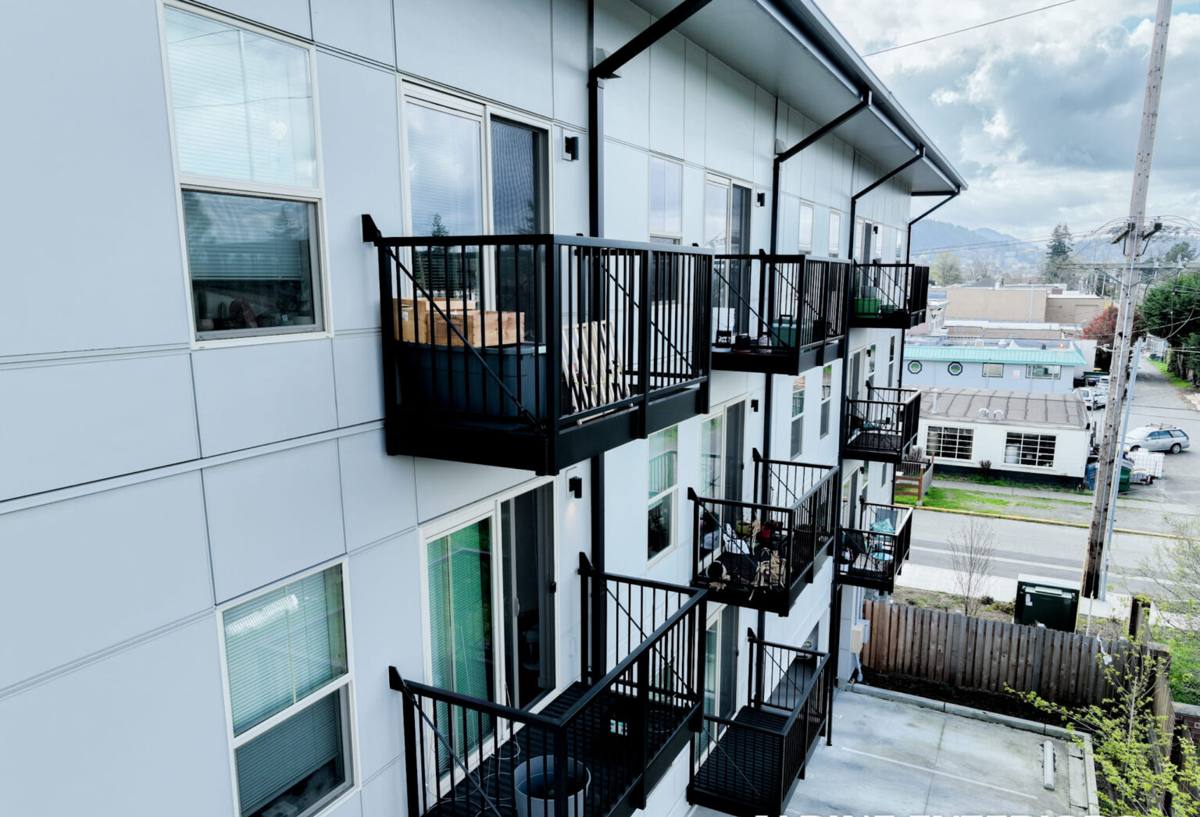
What Salt Air Actually Does to a Roof
Salt air doesn't just sit on the surface of a roof — it gets into every exposed metal component and accelerates corrosion. On a typical inland roof, this is a minor consideration. On a Semiahmoo Resort home, it's one of the first things we plan around.
Metal Components at Risk
- Exposed fasteners on flashing, vents, and ridge caps
- Uncoated or thin-gauge flashing around chimneys, skylights, and valleys
- Gutter hangers, drip edge, and any galvanized (as opposed to properly coated) metal
- Metal roof vents and mechanical penetration boots
Our standard for salt-exposed homes is to use corrosion-resistant flashing and fastener packages rather than the base-grade hardware that's fine for a drier, inland roof. It costs a bit more up front. It's a lot cheaper than replacing rusted-through flashing and chasing leaks five years later.
Driving Rain and Wind: The Water-Management Problem
Rain that falls straight down is relatively easy for any roof to manage. Rain that's being pushed sideways by wind off the bay is a different problem entirely — it finds its way under shingle tabs, up under flashing laps, and into any gap in the underlayment that a calmer climate might get away with ignoring.
Where Wind-Driven Rain Gets In
- Under-driven or under-sealed shingle tabs on exposed slopes
- Valley flashing that relies on shingle-over-valley rather than open metal valleys
- Low-slope transitions, porch roofs, and dormers where water sheds slower
- Vent boots and pipe penetrations where sealant has aged and cracked
For Semiahmoo Resort homes, we treat underlayment as a real water-shedding layer, not a formality. That means full synthetic underlayment coverage, self-adhering membrane at eaves, valleys, and any roof-to-wall transition, and ice-and-water-style membrane in the areas most exposed to blown rain — even though this isn't a heavy-snow region, the same membrane does double duty against wind-driven water. Nail patterns and shingle exposure are also tightened up on wind-exposed slopes, following manufacturer high-wind installation instructions rather than the standard pattern.
Moss: The Slow, Quiet Damage
Moss is the one that homeowners underestimate. It doesn't announce itself with a leak — it builds up quietly over a few wet seasons, and by the time it's visibly thick, it's already doing damage underneath.
How Moss Actually Damages a Roof
Moss holds moisture directly against the roofing surface for extended periods. On asphalt shingles, that constant dampness accelerates granule loss and softens the mat underneath. On any roof, moss growing under shingle tabs and around flashing edges lifts material just enough to let water track sideways instead of shedding downhill. Shaded, north-facing slopes and roof sections under overhanging trees are the areas that need the most attention, and Semiahmoo Resort's tree cover and marine humidity make those conditions common.
Building Moss Resistance Into the Install
- Zinc or copper strips installed near the ridge on moss-prone slopes, which release trace metal ions that inhibit regrowth over time
- Shingle products with algae- and moss-resistant granules where appropriate for the home's look and budget
- Attention to slope and shading during design — we won't pretend a flat run can shed water as well as a properly pitched one
- A clear homeowner maintenance conversation about gutter clearing and periodic gentle moss removal, since even the best install benefits from basic upkeep
What a Correct New Roof Installation Involves
A full reroof isn't just stripping old material and nailing down new shingles. Done right, it's a sequence of steps where each layer depends on the one before it being correct.
The Core Sequence
- Tear-off and deck inspection — removing old roofing down to the deck and checking for rot, delamination, or soft spots, which is especially important on coastal homes where trapped moisture can quietly damage sheathing over the years
- Deck repair — replacing any compromised sheathing before anything else goes down; skipping this step undermines every layer above it
- Drip edge and starter course — set at the eaves and rakes to control the very first point where water leaves the roof
- Underlayment — full synthetic coverage with self-adhering membrane at vulnerable zones as described above
- Flashing — new flashing at every valley, wall transition, chimney, and penetration, using corrosion-resistant materials given the salt exposure
- Field roofing material — installed to manufacturer specifications for nailing pattern and exposure, adjusted for wind exposure where the home faces open water
- Ridge, hip, and ventilation — proper attic ventilation matters as much as the roofing surface itself, since trapped moisture from inside the home is just as damaging as rain from outside
- Final inspection and cleanup — checking every penetration and lap before calling the job finished
Choosing Materials for This Location
There's no single "best" roofing material for every home — the right choice depends on the home's architecture, budget, and how exposed the specific roof slopes are to wind and salt spray. Here's how the common options stack up for a Semiahmoo Resort property specifically.
| Material | Salt Air Behavior | Moss Resistance | Maintenance Consideration |
|---|---|---|---|
| Architectural asphalt shingles | Good with quality granules and proper flashing metal | Better with algae-resistant granule products | Periodic gutter and moss checks; most economical upfront |
| Standing seam metal | Excellent if coated/finished for coastal use | Very good — sheds moisture quickly, little surface for moss to grip | Higher upfront cost; check fastener and finish specs for salt exposure |
| Composite/synthetic shake or slate | Good — doesn't corrode like bare metal | Good with proper slope and flashing detail | Mid-to-upper cost range; check manufacturer coastal warranty terms |
| Cedar shake (natural wood) | Requires more upkeep in salt/moisture combo | Higher moss risk without regular treatment | Needs the most ongoing maintenance in this specific climate |
We'll walk through these trade-offs honestly during your estimate — including where a lower-maintenance material might save money over the life of the roof even if it costs more today.
Why Local Experience at Semiahmoo Resort Matters
A crew that mostly works drier, inland jobs will default to standard details — standard underlayment coverage, standard fastener grade, standard flashing metal. None of that is wrong for most of Whatcom County. It's just under-built for a home sitting this close to open salt water with this much wind-driven rain and shade-driven moss pressure.
Working Semiahmoo Resort regularly means we already know which slopes on this kind of property tend to hold moss, which roof-to-wall transitions take the worst of the wind off the bay, and which hardware grades actually hold up here instead of showing surface rust within a few seasons. That's not a marketing point — it changes real decisions on your specific roof, from where we add extra membrane to which flashing metal we spec.
Signs Your Semiahmoo Resort Roof May Need Replacement, Not Repair
- Granule loss heavy enough to see bare spots or excessive granules in gutters
- Shingles curling, cracking, or lifting at the tabs, especially on wind-exposed slopes
- Moss buildup thick enough that it's holding visible moisture against the surface for days after rain
- Rust staining running down from flashing, vents, or valleys
- Soft spots or sagging visible from the ground or attic, which usually means deck damage underneath
- Roof age approaching or past the manufacturer's rated lifespan for the original material
If you're only seeing one or two of these signs on a roof that's otherwise sound, a targeted repair may be the right call rather than a full replacement — we'll tell you honestly which situation you're in.
What to Expect From Our Process
We start with an on-site inspection of the roof, not just a look from the driveway — that includes checking the attic for ventilation and moisture issues, since those affect the roofing decision as much as what's visible from outside. From there, we give you a written estimate that spells out material options, the scope of flashing and underlayment work, and a realistic timeline. Whatcom County's rain patterns mean scheduling around dry windows matters, and we'll be upfront about how weather could affect your install date.
Once work begins, we handle permitting where required, protect landscaping and walkways during tear-off, and do a final walk-through with you before considering the job complete. You'll know what was replaced, what materials went in, and what warranty coverage applies — both on materials and on our installation work.
If your Semiahmoo Resort home needs a new roof, or you're not sure whether repair or full replacement is the right call, we're happy to take a look. Request a free, no-pressure estimate using the form below and we'll walk the roof with you before recommending anything.