 Semiahmoo Siding
 Why Semiahmoo Resort Homes Go Through Siding Faster
Semiahmoo Resort sits about as close to the water as a Whatcom County neighborhood gets. That location is the whole appeal of living there, and it's also the reason siding on these homes ages differently than siding ten miles inland. Salt-laden air moves off the bay and settles on every exterior surface, day after day, year-round. Combine that with the long, wet Pacific Northwest winter and the shaded, damp pockets that build up moss and algae on north-facing walls, and you've got three separate forces working against whatever is nailed to your exterior walls.
None of this means siding is doomed here. It means the material and the installation both have to be matched to the conditions. A product that performs fine in a dry inland subdivision can struggle on a home exposed to constant marine air and driving rain off the bay. We've replaced enough siding on homes in this immediate area to know which failure patterns show up first and which parts of a replacement job actually matter for long-term performance here.
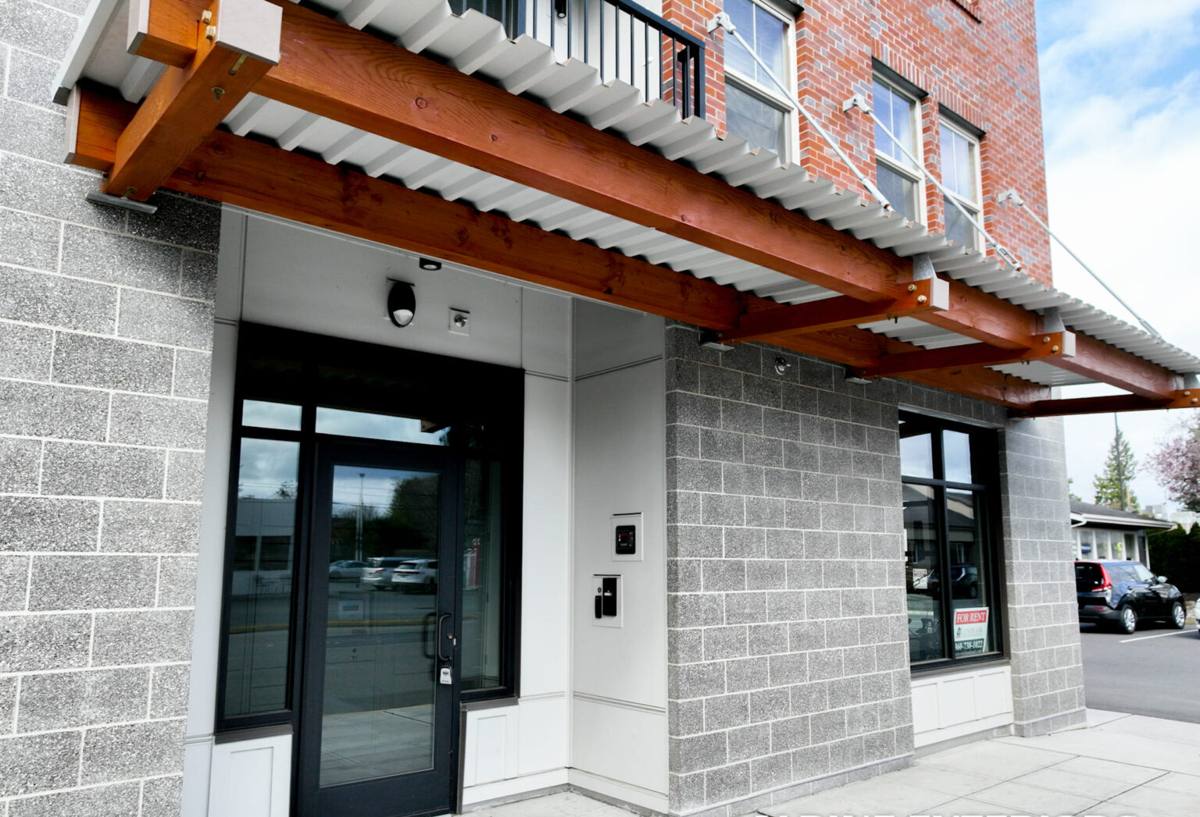
How Salt Air, Rain, and Moss Actually Damage Siding
Salt Air
Airborne salt is corrosive to metal fasteners, flashing, and trim, and it accelerates the breakdown of paint films and coatings on wood-based products. Over years, it works into seams and end cuts, especially where a product's factory finish has been compromised by field cutting or poor caulking.
Driving Rain
Semiahmoo Resort's exposure means wind-driven rain doesn't just hit siding, it gets pushed into it, testing every seam, joint, and penetration. Siding that relies on caulk and paint alone to keep water out — rather than proper flashing and drainage details behind the cladding — eventually lets moisture in. Once water gets behind the siding, the sheathing and framing underneath are what actually rot, not just the surface material.
Moss and Sustained Dampness
Shaded walls, roof overhangs, and areas that don't get direct sun stay damp far longer through the winter months. That sustained moisture is what moss and algae need to take hold, and it's also what accelerates rot in any wood-based siding product, and corrosion in exposed fasteners. A long moss season isn't just cosmetic — it's a sign that a wall assembly is staying wet longer than it should.
What a Correct Siding Replacement Actually Involves
Replacing siding is not just pulling old boards off and nailing new ones on. On a home exposed to the conditions Semiahmoo Resort sees, the parts you don't see after the job is done matter more than the parts you do. A correct tear-off and reinstall includes:
- Full removal of old siding and trim, not overlay installation on top of failing material
- Inspection of the wall sheathing for rot, soft spots, or prior water damage before anything new goes up
- A properly lapped and sealed weather-resistive barrier (housewrap) behind the siding
- Correct flashing at every window, door, deck ledger, and roof-to-wall intersection
- A rain screen gap where conditions call for it, so any moisture that gets past the cladding can drain and dry instead of sitting against the sheathing
- Manufacturer-specified fastening, clearances, and gapping — not shortcuts to save time
Skip any one of these steps and the new siding may look fine for a few years while the wall behind it quietly stays wet. That's how a home ends up needing sheathing repair on top of a siding job that should have prevented it.
Why We Only Install James Hardie Fiber Cement
We install one siding product: James Hardie fiber cement. We don't install vinyl, LP SmartSide, Cemplank, Allura, primed spruce, or cedar, and that's a deliberate standard, not a lack of options.
Vinyl is inexpensive and low-maintenance in mild climates, but it's a petroleum-based product that can warp in heat, become brittle in cold, and it isn't fire-resistant. Wood-based and OSB-core products like LP SmartSide perform well when kept dry and maintained on schedule, but they depend on an intact factory treatment and consistent upkeep to resist moisture — a tougher bar to clear in a location that sees this much sustained dampness and salt exposure. Other fiber cement brands make a reasonable product, but we've standardized on one manufacturer so our crews install to one spec, one set of details, and one warranty structure, rather than switching methods between jobs.
James Hardie fiber cement is non-combustible, doesn't rot, doesn't attract pests, and holds its factory-applied ColorPlus finish far longer than field-painted alternatives — which matters directly here, since repainting a home exposed to salt air and constant moisture is exactly the kind of maintenance homeowners want to avoid.
James Hardie Product Lines Built for This Climate
James Hardie engineers specific product formulations for different climate zones, and homes in this part of Washington fall into the manufacturer's wetter, cooler HZ10 climate designation. That means the boards installed here are formulated for higher moisture exposure than the standard version sold in drier regions of the country.
Common Lines We Install
- HardiePlank lap siding — the standard horizontal lap look, available in several textures and exposures
- HardiePanel vertical siding — often used for accent walls, gables, or a board-and-batten look
- HardieTrim — matching trim boards that resist the same rot and moisture issues as the field siding
- ColorPlus finishes — factory-baked color coats that hold up to UV and salt air far better than field-applied paint
Choosing the right line and exposure width isn't just an aesthetic decision — the profile and installation details change how the wall sheds water, which matters more on a directly exposed lot than on a sheltered one.
Our Replacement Process
- On-site assessment — we walk the exterior, check current siding condition, look for signs of trapped moisture, and take measurements
- Sheathing and structure check during tear-off — any rot or damage found gets addressed before new siding goes up, not covered over
- Weather barrier and flashing installation — done to manufacturer spec at every penetration and transition
- James Hardie installation — correct fastening, gapping, and clearances for the HZ10 climate zone
- Trim, caulking, and final detailing — the finish work that determines how clean the job looks and how well it sheds water long-term
- Walkthrough — we go over the finished exterior with the homeowner before calling the job done
What Drives Cost on a Semiahmoo Resort Home
Every home is different, but a few factors consistently move the price on replacement jobs in this specific location:
| Factor | Why It Matters Here |
|---|---|
| Extent of hidden water damage | Homes with longer exposure to driving rain and moss cover often need sheathing repair discovered during tear-off |
| Wall complexity | Additional gables, dormers, and trim details around a resort-style home add flashing and cutting time |
| Siding profile chosen | Lap widths, panel accents, and trim packages vary in material and labor cost |
| Access and staging | Waterfront and resort-adjacent lots can have tighter access, affecting scaffolding and material staging |
| Existing exterior condition | Full tear-off vs. partial replacement changes both labor and disposal costs |
We give straightforward, itemized estimates rather than a single number pulled from thin air, so you know what you're actually paying for.
Signs Your Siding Needs Replacing Now, Not Later
- Soft or spongy spots when you press on the siding, especially near the bottom courses
- Persistent moss or algae growth that returns within weeks of cleaning
- Visible cracking, warping, or delamination of boards or panels
- Paint that's peeling or bubbling repeatedly in the same spots
- Rust streaks or corrosion around fasteners and trim
- A musty smell or visible staining on interior walls that back up to exterior siding
- Gaps opening up at seams, corners, or trim joints
Any one of these on its own might just need a repair. Several at once, especially on a wall that takes direct wind and rain off the bay, usually means the whole section is due for replacement rather than another patch.
Why a Crew That Already Works Semiahmoo Resort Matters
Siding installation is the same trade everywhere, but the details that make it hold up change with exposure. A crew that's worked directly on this stretch of Whatcom County already knows which walls take the worst of the wind-driven rain, how long moss season actually runs here, and how much salt exposure the fasteners and trim need to be rated for. That's not something you can fully account for from a spec sheet written for a national average climate.
Working locally also means we're not guessing at permitting requirements, we know what correct flashing looks like on this style of home, and we're not learning the site conditions for the first time on your job.
Maintenance After Replacement
One advantage of James Hardie's factory ColorPlus finish is how little upkeep it needs compared to field-painted siding, but no exterior product is entirely maintenance-free in a marine climate. Periodic rinsing to clear salt residue and moss buildup, prompt attention to any caulking that starts to fail at trim joints, and keeping gutters and downspouts clear so water isn't dumping directly onto walls all go a long way toward getting the full lifespan out of the material and the installation.
If you're noticing any of the warning signs above, or you'd just like an honest read on how much life is left in your current siding, we're glad to take a look. Fill out the form below for a free, no-pressure estimate — we'll walk the exterior with you and tell you straight what we find.