 Semiahmoo Siding
 Building New in Wiser Lake? The Windows Deserve as Much Attention as the Foundation
New construction gives you one real chance to get windows right. Once siding, trim, and interior finishes go on, the flashing and sealing decisions made during the rough-in stage are buried for good. If they were done wrong, you don't find out until there's a stain on a windowsill or soft drywall under a window a few years down the road. For homes going up around Wiser Lake, in Whatcom County, that first-time installation matters even more than usual, because the climate here doesn't forgive shortcuts.
This page covers what new-construction window installation actually involves for this area, what separates a correct job from one that just looks finished on install day, and how we approach the work when we're brought in during the framing and rough-in phase of a build near Wiser Lake.
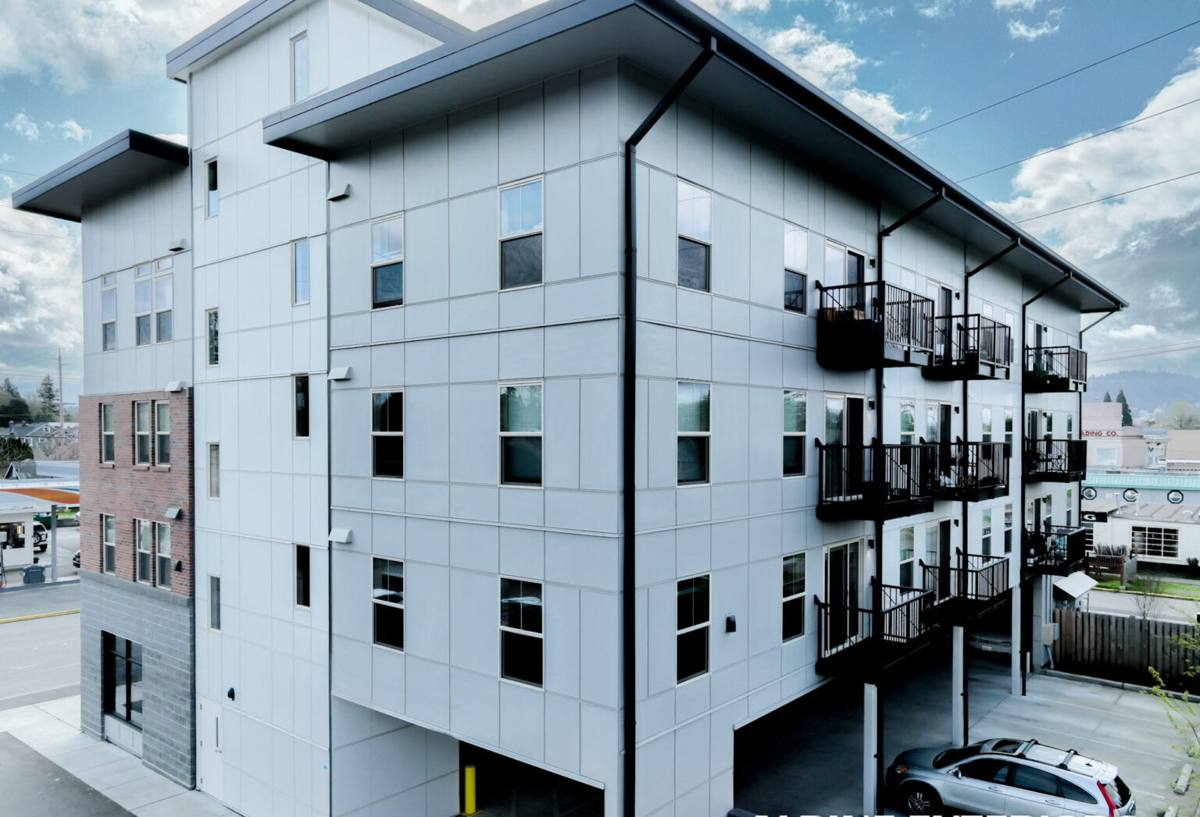
What Wiser Lake Homes Are Up Against
Whatcom County sits inside the same marine weather system that moves in off the Salish Sea and the Pacific, and homes around Wiser Lake feel the effects of that even without being right on the water. Salt-tinged air, long stretches of driving rain, and a moss season that can run most of the fall through spring all put steady stress on exterior building materials — windows included. None of this is dramatic on any single day. It's the accumulation that causes problems: moisture that never fully dries out between rain events, fasteners and hardware that corrode faster than they would in a drier climate, and organic growth that holds dampness against wood and trim longer than most homeowners expect.
For a new build, this means the window opening has to be treated as a system, not a single product dropped into a hole in the wall. The window unit itself matters, but so does the flashing underneath it, the way it ties into the house wrap, and how water that does get past the glass and frame is directed back outside instead of into the wall cavity.
Why "Just Caulk It" Isn't a Strategy Here
In a drier climate, a sloppy flashing job might go unnoticed for years because there simply isn't enough sustained moisture to expose it. That's not the case around Wiser Lake. Sealant that's asked to do the job flashing should be doing tends to fail here faster, because it's cycling through more wet-dry swings and more freeze-thaw days than the same bead would see in a milder or drier region. Sealant should be the last line of defense, not the first.
New Construction vs. Replacement: A Different Job Entirely
New-construction windows are installed into open stud bays before siding goes on, which means the flashing and weather barrier can be built up in the correct order — sill pan first, then the window, then the flanges integrated into the housewrap shingle-style so water always sheds outward and downward, never into a seam. Replacement windows, by contrast, are fit into an existing wall where much of that layering is already buried and can't be redone without removing siding.
That's the advantage of doing it right the first time on a new build: there's no fighting existing finishes, no guessing what's behind the old trim. But it also means there's no excuse for cutting corners, because everything is accessible and verifiable before the walls close up.
Nail-Fin vs. Block-Frame: Picking the Right Installation Type
Most new-construction homes in this area use nail-fin (flanged) windows, but block-frame windows show up on certain builds too, particularly where a masonry or specific siding detail calls for it. Each has a correct installation method, and mixing up the approach — treating a block-frame opening like a nail-fin one, or vice versa — is one of the more common causes of early leaks we see on newer homes.
| Window Type | How It's Secured | Best Suited For | Key Install Requirement |
|---|---|---|---|
| Nail-fin (flanged) | Flange nailed directly to sheathing, then flashed over | Standard wood-frame new construction with siding or wrap | Sill pan flashing plus shingle-lapped flange integration |
| Block-frame | Frame anchored into rough opening, no exterior flange | Masonry walls, stucco details, or specific architectural styles | Sealant and backer rod at the frame perimeter, plus interior/exterior flashing membrane |
Neither type is "better" across the board — the right choice depends on the wall assembly and siding plan for the home. What matters is that whoever sets the window understands which system is in play and flashes it accordingly.
Flashing: Where New-Construction Jobs Actually Succeed or Fail
A window can be a good product and still leak if the flashing sequence underneath it is wrong. The order matters as much as the materials:
- Sill pan flashing set first, sloped slightly to the exterior so any water that gets in has somewhere to go
- Self-adhered flashing tape at the jambs, lapped over the sill pan
- Window set into the opening and fastened per the manufacturer's schedule
- Head flashing installed last, lapped over the housewrap above the window so water sheds down and over, never up and under
- Housewrap integrated at every layer in shingle fashion — always overlapping downward
- Sealant used only where it's designed to be a true water seal, not as a patch for a flashing gap
This sequence isn't unique to our area, but the consequences of skipping a step show up faster here because of how much rain the building envelope has to shed over a typical Whatcom County winter. A gap that might stay dry for years elsewhere can start showing staining or soft trim within a single wet season near Wiser Lake.
Fasteners and Hardware Corrosion
Salt-influenced air moving through the region accelerates corrosion on lower-grade fasteners, hinges, and locking hardware. For new construction we spec corrosion-resistant fastener types for window installation and flag hardware that's likely to pit or seize prematurely in this climate, rather than defaulting to whatever ships in the box.
Choosing a Frame Material for the Long Haul
Frame material is a bigger decision on new construction than most homeowners realize, because you're choosing what the exterior of that window will look like — and how much upkeep it will need — for the next fifteen to twenty-five years.
| Frame Material | Moisture / Damp-Climate Behavior | Ongoing Maintenance | General Cost Tier |
|---|---|---|---|
| Vinyl | Won't rot; performs well in wet climates if installed correctly | Low — occasional cleaning | Lower |
| Fiberglass | Very stable in moisture and temperature swings; minimal expansion/contraction | Low | Mid to higher |
| Wood-clad | Attractive interior wood look, but exterior cladding seams need monitoring in wet, mossy conditions | Higher — periodic inspection of cladding and finish | Higher |
We don't push one material as universally "correct." Vinyl and fiberglass both hold up well against the driving rain and damp winters typical here, and both keep maintenance manageable for a busy homeowner. Wood-clad windows can be the right call for a specific architectural look, but we're upfront that the exterior cladding needs more attention over time in a climate where moss and moisture linger — that's a maintenance trade-off, not a defect, and it's worth knowing before you commit to it for every window on the house.
Our New-Construction Window Process
- Plan and rough-opening review — we check window schedules against actual framed openings before anything is set, catching sizing or spec mismatches while they're still cheap to fix.
- Material and glass consult — frame material, glass package, and hardware are matched to the home's exposure, orientation, and the owner's maintenance preferences.
- Sill pan and flashing prep — every opening gets sloped sill pan flashing before the window ever goes in.
- Window setting — units are set plumb, level, and square, fastened per manufacturer schedule, and shimmed correctly to avoid frame stress.
- Flange and housewrap integration — flashing tape and housewrap are layered in the correct shingle order at jambs and head.
- Quality check before wrap-up — we verify flashing continuity and operation of every unit before the crew moves on to siding.
- Coordination with builder/trades — we work around the framing and siding schedule so windows go in at the right point in the build sequence, not rushed ahead of it.
Pre-Drywall Checklist
Before interior walls close up, these are worth confirming on any new-construction window job:
- Sill pan flashing is present and sloped outward at every window opening
- Flashing tape and housewrap are lapped in the correct shingle order — no reverse laps
- Head flashing or drip cap is installed above each window, not just relied on for sealant
- Windows operate smoothly (open, close, and lock) before finish trim goes on
- Fasteners and visible hardware are corrosion-resistant, not standard-grade
- No gaps or daylight visible around the frame from the interior before insulation is installed
Why Local Experience on Wiser Lake Builds Matters
New construction runs on sequencing — framers, window crews, siding crews, and inspectors all need to move through a site in the right order without stepping on each other's work. A crew that's already installed windows on builds around Wiser Lake and the rest of Whatcom County knows how to time the work around the area's rain patterns, avoiding setting windows during a stretch of driving rain that would compromise the flashing before it's had a chance to be properly integrated. That local rhythm — knowing when to push a window install by a day and when it's fine to proceed — comes from having done it here before, not from a general new-construction background alone.
It also means fewer surprises during inspections and fewer callbacks after move-in, because the installation was matched to the conditions the home will actually face, not a generic checklist written for a different climate.
Get a Straight Answer Before You Build
If you're planning new construction near Wiser Lake and want the window package — materials, flashing plan, and install sequencing — reviewed by a crew that works this climate regularly, we're happy to walk through it with you. Request a free, no-pressure estimate using the form below and we'll go over what makes sense for your build.