 Semiahmoo Siding
 Energy-Efficient Windows in Wiser Lake: A Different Set of Trade-Offs Than a Coastal Job
Wiser Lake sits inland in Whatcom County, in the corridor of small lake communities and farmland between Lynden and the rest of the county's population centers. It doesn't take the direct salt spray that a waterfront property closer to the coast deals with, but it still sits inside the same marine-influenced weather system — long stretches of driving rain, salt-tinged air that reaches well inland during winter storms, and a moss and mildew season that runs most of the year on shaded siding and window trim. For window work specifically, and energy-efficient window work in particular, that combination of moisture and temperature swing matters as much as coastal wind exposure does.
We handle siding, roofing, windows, and decks for homes throughout this part of Whatcom County, and energy-efficient window replacement is one of the most common calls we get from Wiser Lake homeowners — usually from people tired of high heating bills, cold drafts near older frames, or glass that fogs between the panes. Getting real energy performance out of a window in this climate depends on more than the glass package; it depends on the frame, the installation, and how well the unit is sealed into the surrounding wall.
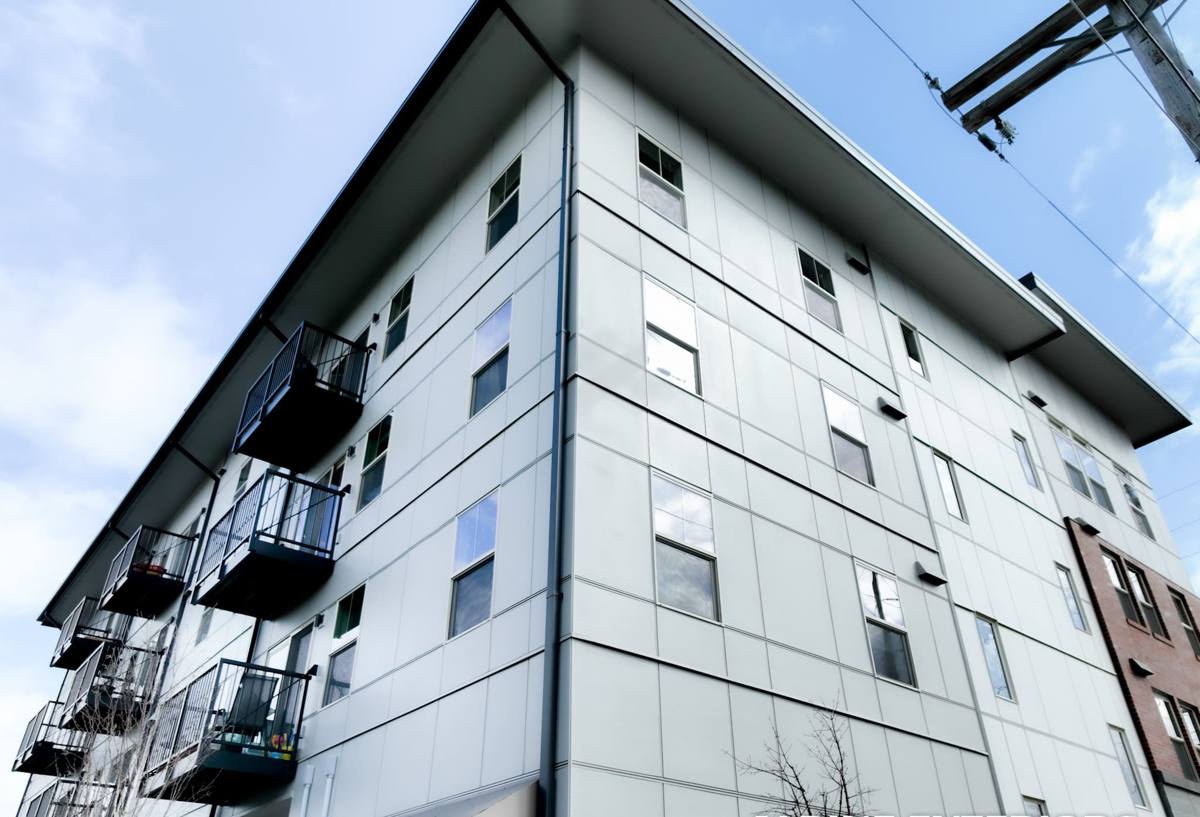
What This Climate Costs You in Heating Dollars
Long, Damp Winters and a Constant Temperature Difference
Whatcom County winters are mild by national standards but long and damp, which means homes run heat for a large share of the year against a persistent, sustained difference between inside and outside temperatures. Older single-pane windows, or double-pane units with failed seals, lose heat continuously through that stretch rather than only during a few extreme cold snaps. That steady loss adds up over a heating season more than homeowners coming from harsher, drier climates tend to expect.
Wind-Driven Rain and Air Leakage
Even set back from open water, Wiser Lake gets enough wind-driven rain during winter storms to expose gaps around window frames that wouldn't show up in calmer weather. Air leakage and water intrusion tend to travel the same paths through a wall assembly — a frame that's letting warm air escape is very often also a frame that's letting water in around the same gaps. Addressing one without the other is a half-measure.
Moss, Mildew, and Trapped Moisture
Mild, wet conditions across Whatcom County create a moss and mildew season that can run most of the year on shaded elevations, and window sills and trim are common places it takes hold. Beyond the cosmetic issue, trapped moisture at a sill or frame joint is often a sign of the same gap that's letting conditioned air escape — moisture and energy loss usually point to the same failure point.
What "Energy-Efficient" Actually Means in a Window
Window energy performance isn't a single number, and homeowners are often sold on a low sticker price without knowing what to compare it against. A few figures actually matter:
- U-factor: Measures how well a window resists heat loss. Lower is better — this is the number that most directly affects a Whatcom County heating bill.
- Solar Heat Gain Coefficient (SHGC): Measures how much solar heat passes through the glass. In a mild, often overcast climate like this one, a moderate SHGC is usually a better fit than the very low ratings built for hot, sunny regions.
- Air leakage rating: Measures how much air passes through the window unit itself, separate from the installation. A well-rated window with a poorly sealed installation will still leak air.
- Glazing and gas fill: Double-pane is standard; triple-pane adds performance at added cost and weight. Argon or krypton gas fill between panes improves insulation over plain air fill.
Every legitimate window sold in the U.S. carries an NFRC label listing these ratings, and it's worth asking to see it rather than taking a summary description at face value.
Signs a Wiser Lake Home Is Losing Energy Through Its Windows
- A noticeable draft or cold air near a window frame even when it's fully latched shut
- Interior condensation or fogging on the glass during cold mornings, beyond what's normal for the season
- Rooms near older windows that are harder to keep comfortable than the rest of the house
- Visible gaps, cracked caulk, or daylight where the frame meets the siding or trim
- A heating bill that's climbed noticeably without a real change in usage habits
- Single-pane glass anywhere in the home, or double-pane units with fogging that indicates a failed seal
Repair, Retrofit, or Full Replacement
Not every underperforming window needs full replacement. Sometimes the frame and sash are sound and the real fix is weatherstripping, hardware, or a glass unit swap. Sometimes a full-frame replacement is the only way to actually fix an air-sealing problem rooted in the surrounding wall opening. We look at each window on its own rather than quoting a whole-house number before we've seen what's actually there.
| Situation | Repair/Retrofit Option | Full Replacement |
|---|---|---|
| Sound frame, worn weatherstripping | Yes — usually the most cost-effective fix | Not necessary on its own |
| Failed seal, fogged double-pane glass | Glass unit replacement possible if frame is sound | Worth considering if frame is also dated |
| Single-pane glass, no storm window | Storm windows help but don't match new-window performance | Yes, for meaningful energy gains |
| Rotted or warped frame | Rarely a lasting fix | Yes |
| Drafts traced to rough-opening gaps, not the window itself | Re-sealing and insulating the opening | Only if the window unit is also compromised |
Installation Is Where Energy Performance Is Actually Won or Lost
A high-performance window installed with a gap at the rough opening, or without proper air sealing and flashing, will underperform its own rating. We treat the space between the window frame and the wall opening as seriously as the window itself — that gap gets insulated and air-sealed, not just caulked over on the exterior face, and flashing is lapped to shed water down and away from the opening rather than trapping it against the sill. On older Wiser Lake homes especially, we often find the original installation relied on caulk alone to do a job that needed proper flashing and sealant backing.
Why We Don't Treat Caulk as a Substitute for Flashing
Caulk cracks and shrinks over time, especially through repeated wet-dry cycling across a long Whatcom County wet season. It has a place as a supplemental seal, but relying on it as the primary defense against wind-driven rain and air infiltration is a common shortcut that shows up later as drafts, moisture damage, or both. Correct flashing detail does the structural work; sealant finishes it.
Choosing Windows for a Wiser Lake Home
We install vinyl and fiberglass window systems and talk homeowners through real trade-offs instead of pushing one product as the universal answer.
- Vinyl frames: Cost-effective, perform well in mild climates like this one, and require little maintenance — a reasonable default for most homes here.
- Fiberglass frames: More dimensionally stable across temperature swings and can be painted, which matters for homeowners who want a specific frame color rather than standard options.
- Double vs. triple-pane: Double-pane with a good low-E coating and gas fill covers most Whatcom County homes well; triple-pane makes more sense for rooms with unusual heat loss or noise concerns.
- Low-E coating: Helps hold heat inside during our long, damp winters and reduces interior condensation, which is one of the more common complaints we hear from Wiser Lake homeowners with older windows.
Why a Local Crew Matters for This Specific Work
A contractor who regularly works this part of Whatcom County already understands how the moisture load here differs from a drier inland climate, and how it differs from a fully exposed waterfront property too. That shows up in decisions like how much insulation and sealant go into a rough opening, which glazing package makes sense for a mostly overcast climate, and whether a draft is coming from the window unit itself or from an installation gap. Those are the calls that determine whether new windows actually cut a heating bill or just look new for a few years before the same old problems return.
A Simple Checklist Before Hiring for Energy-Efficient Window Work
- Ask to see the NFRC label and U-factor for any window being quoted, not just a marketing description
- Confirm current Washington contractor licensing and active liability insurance
- Ask specifically how they insulate and seal the rough opening, not just how they caulk the exterior trim
- Get a written scope that separates the manufacturer's product warranty from the installer's workmanship warranty
- Ask about realistic lead times, since custom-sized energy-efficient windows are usually built to order
Our Process
We start with an on-site walk of the existing windows — checking frame condition, seal integrity, hardware, and how the current installation handles air sealing and flashing at each opening. From there we give a straightforward read on which windows are reasonable retrofit or repair candidates and which make more sense to fully replace, along with a written scope before any work begins. Air sealing and flashing detail are standard practice on every window we install, not an upsell.
If your Wiser Lake home has drafty windows, a climbing heating bill, or glass that fogs between the panes, we're happy to take a look and give you an honest read on what will actually move the needle. Reach out below for a free, no-pressure estimate.