 Semiahmoo Siding
 Wiser Lake Sits Inland — the Weather Still Finds It
Wiser Lake sits back from the open water that shapes so much of the siding conversation closer to Semiahmoo and the rest of Whatcom County's shoreline, but pulling a few miles inland doesn't take a house out of the region's weather pattern. Storm systems that push driving rain and salt-tinged air across the county's waterfront don't stop delivering that moisture load the moment they cross onto lake ground — they just arrive with a little less force. Add in the still air, shade, and mature tree cover that come with living around a lake, and Wiser Lake homes end up dealing with their own version of the same pressure coastal Whatcom County properties see, just delivered differently.
This page is about one thing specifically: replacing siding on a Wiser Lake home, done right, for the climate this property actually sits in. Not a quick patch, not a cover-over — a full replacement, and what that should involve from the first inspection to the last piece of trim.
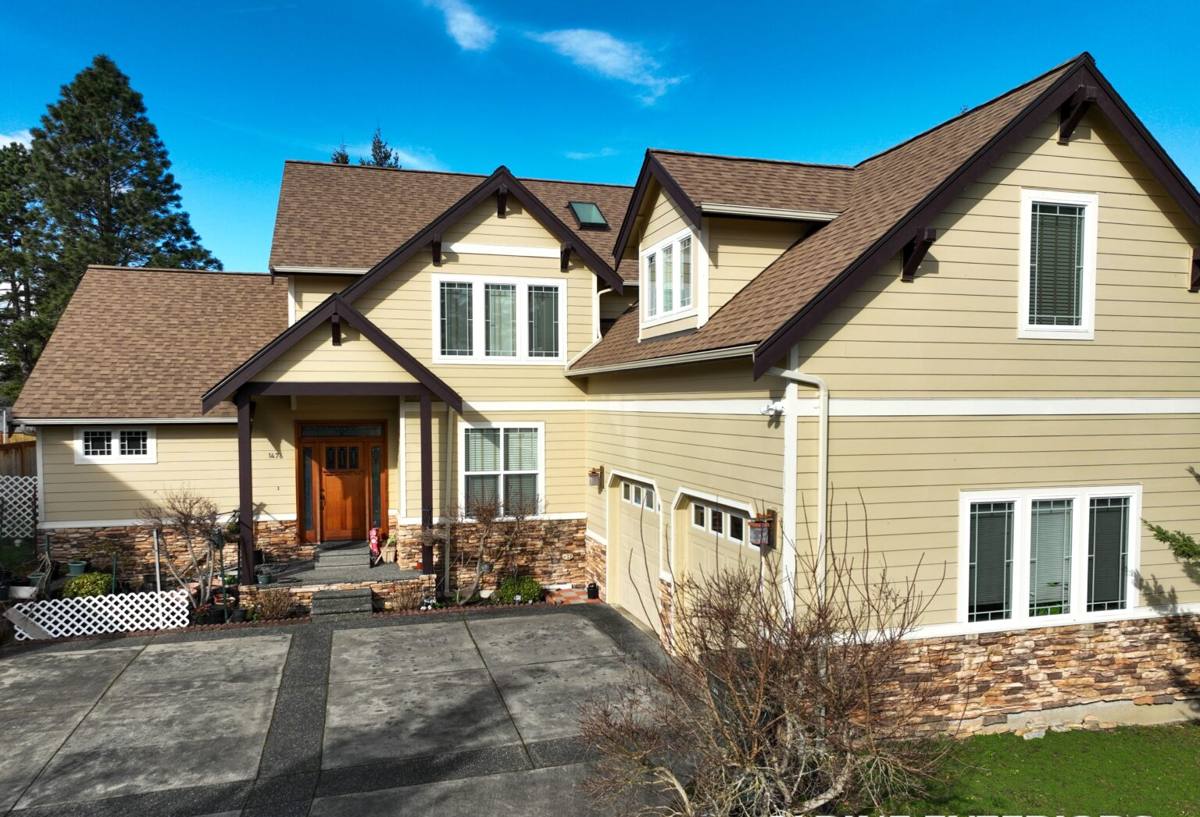
Why Siding Around Wiser Lake Wears Out Faster Than It Should
Shade, Tree Cover, and Standing Moisture
Lake-adjacent lots tend to carry more mature tree cover and more shaded wall exposure than open subdivisions elsewhere in the county. That's good for privacy and summer cooling, but it also means siding on north-facing and lake-facing walls dries out slower after every rain. Moisture that would evaporate off a sun-exposed wall within a few hours can sit against shaded siding for a day or more, especially through fall and winter, and that extended wet time is exactly what accelerates moss growth and moisture intrusion at joints and cut edges.
Driving Rain Moving Through the County
Storm systems that track through Whatcom County don't hold back on wind-driven rain just because a property sits a few miles from the shoreline. Rain pushed sideways by wind finds the same laps, seams, and trim lines around Wiser Lake that it finds on more exposed waterfront lots — it just arrives with somewhat less punch. Flashing and drainage details that were installed correctly the first time still matter just as much here as they do anywhere else in the county, because a gap is a gap regardless of how hard the wind is blowing when it finds it.
A Moss Season That Runs Most of the Year
Mild temperatures and consistent humidity around a lake basin keep moss and mildew active on shaded siding for most of the year. Combined with tree cover that limits direct sun on several sides of most homes here, organic growth tends to take hold earlier in the season and hang on longer than it would on a more open, sun-exposed lot. Left alone, that growth holds moisture against the siding surface and extends every wet cycle the material goes through.
Signs a Wiser Lake Home Needs Replacement, Not Just Repair
Not every siding problem calls for a full tear-off. But when several of the following show up at once, or on more than one side of the house, patching individual boards usually just delays a bigger job rather than solving anything.
- Soft or spongy siding when pressed, especially near the bottom courses or below windows
- Persistent moss or mildew staining that returns within weeks of cleaning
- Visible cupping, warping, or separation at seams and joints
- Paint or finish that's chalking, peeling, or blistering across large sections rather than one isolated spot
- Musty smells, soft drywall, or staining on interior walls that back up to exterior siding
- Original siding on a home built more than 20-25 years ago, particularly a wood-based or engineered wood product
One or two items on that list might point to a localized repair. Several at once, especially paired with damage on more than one wall, usually means the assembly behind the siding has been absorbing moisture for a while — and a full, honest replacement is the better answer than another round of patching a wall that's already compromised underneath.
What a Correct Siding Replacement Actually Involves
Full Tear-Off and Sheathing Inspection
A proper replacement starts with removing the old siding entirely rather than installing new material over it. That's the only way to actually see the sheathing and water-resistive barrier underneath and find out whether moisture has already reached the wall's structural layer. Any soft, delaminated, or rotted sheathing gets identified and replaced before anything new goes back on — covering it up with new siding doesn't solve that problem, it just hides it behind a fresh surface for a few more years.
Flashing and Drainage Detailing
This is the part of a replacement that actually determines how long the new siding lasts. Every window, door, and wall penetration needs flashing installed in the correct sequence with the water-resistive barrier, lapped to shed water outward and down instead of trapping it behind the cladding. On a shaded, moisture-prone lot like many of the properties around Wiser Lake, we also look at whether a drainage gap behind the new siding makes sense for that specific wall, so incidental moisture has somewhere to go instead of sitting against the sheathing.
Installing to Manufacturer Specification
Fiber cement only performs the way it's engineered to when it's installed to the manufacturer's published spec — correct fastener type and spacing, proper clearance from grade, decks, and roof lines, and sealed or factory-finished cut edges. Skipping these details is one of the more common ways a genuinely good material still ends up with moisture problems within a few years of installation.
Why We Install Only James Hardie Fiber Cement
We install one siding system on the homes we work on: James Hardie fiber cement. We don't offer vinyl siding, LP SmartSide, Cemplank, Allura, primed spruce, or cedar, and that's a deliberate professional standard rather than a supply limitation.
- Non-combustible core: fiber cement doesn't feed a fire the way wood-based siding products can, which matters for both safety and, often, insurance underwriting.
- Factory-applied ColorPlus finish: the color is baked on under controlled factory conditions instead of brushed on in the field, and it resists fading and chalking far longer than site-applied paint.
- Climate-engineered HZ product lines: Hardie's HZ5 formulation is built for regions with heavy moisture exposure and freeze-thaw cycling, which describes Whatcom County — including its inland lake communities — well.
- Dimensional stability: it doesn't swell, cup, or warp the way engineered wood or solid wood siding can after repeated wet-dry cycling through a long moss season.
- Strong transferable warranty: backed by one of the more substantial warranty structures in the industry, as long as installation follows Hardie's spec.
Other siding products have a legitimate place in the market, and plenty of homeowners are satisfied with them in drier, more sheltered settings. Around a lake basin that stays shaded and damp longer than open ground, we'd rather stand behind one system completely than offer a cheaper option that quietly shifts long-term maintenance risk onto the homeowner.
Comparing Siding Materials for a Lake-Adjacent Climate
| Material | Moisture Behavior | Performance in Shade and Standing Moisture | Typical Longevity Here |
|---|---|---|---|
| James Hardie fiber cement | Dimensionally stable, doesn't swell or wick like wood-based products | Holds up well; factory finish resists chalking on shaded walls | 30+ years with correct installation |
| Vinyl siding | Doesn't absorb water but distorts with temperature swings | Seams and J-channels can trap moisture on prolonged-shade walls | Variable; shorter where moisture sits longest |
| LP SmartSide / engineered wood | Wood-fiber core absorbs moisture readily at cut edges | Edge swelling accelerates in shaded, slow-drying conditions | Depends heavily on maintenance and edge sealing |
| Cedar / primed wood | Absorbs and releases moisture continuously with humidity | Moss and mildew take hold fastest of any option here | Shorter without frequent refinishing |
Our Siding Replacement Process
We run replacements the same deliberate way whether the home sits on open water or back from it around Wiser Lake, because the fundamentals of a good wall assembly don't change with the view.
- On-site assessment of the existing siding, sheathing condition, and any visible moisture or shade-related wear
- A clear, written scope of work and timeline before any material is ordered or work begins
- Full tear-off and sheathing inspection, with any damaged sheathing identified and replaced
- Flashing, drainage detailing, and James Hardie installation completed to manufacturer specification
- Final walkthrough, cleanup, and a review of care and maintenance for the finished siding
Cost Factors in a Wiser Lake Siding Replacement
| Factor | Why It Affects the Job |
|---|---|
| Total wall area and home size | More square footage means more material, labor, and fastening time |
| Condition of existing sheathing | Rot found during tear-off has to be repaired before new siding goes on, which adds material and labor |
| Number of stories and site access | Tree cover, slope, and limited driveway access common around lake lots can affect staging and equipment needs |
| Number of windows, doors, and penetrations | Each one requires its own flashing detail, which adds time regardless of overall square footage |
| Trim, accent, and board-and-batten detailing | Custom trim work and accent siding take more labor than a straightforward lap-siding install |
| Disposal of old siding | Tear-off debris, especially from wood-based products, needs proper hauling and disposal |
Why Hiring a Crew That Already Works Wiser Lake Matters
A contractor who regularly works lake-adjacent properties in this part of Whatcom County already knows how shade, tree cover, and prolonged moisture behave differently here than they do on an open lot a few miles away. That familiarity shows up in small decisions — where extra drainage detailing gets added, how flashing gets sequenced around a shaded wall, which walls typically show wear first — and those decisions are what determine whether a replacement lasts one wet season or several decades.
- Ask what siding material they install and why, and whether they stand behind it with a written warranty
- Confirm current Washington contractor licensing and active liability insurance
- Ask how they handle sheathing repair if rot or damage is found during tear-off
- Ask specifically how they detail flashing and drainage on shaded, slow-drying walls
- Get a clear, written scope of work before signing anything
If you're weighing a siding replacement for a home near Wiser Lake, we're happy to walk the exterior with you and give an honest read on what it actually needs — no pressure, no upsell. Reach out below for a free estimate.