 Semiahmoo Siding
 Building Decks for Blaine Harbor's Marine Climate
Blaine Harbor sits close enough to the water that every outdoor structure on a property deals with a different set of conditions than a deck built ten miles inland. Salt-laden air moves off Semiahmoo Bay and the Strait of Georgia, driving rain comes in sideways during winter storms, and the shaded, humid stretches of fall and winter keep surfaces damp long enough for moss and algae to take hold. A deck built without that in mind will look fine for a year or two and then start showing problems — soft spots, corroding hardware, slick green film on the boards — well before it should.
We build and repair decks throughout Whatcom County, and Blaine Harbor properties get treated differently from the start. That means fastener selection, ledger flashing, footing depth, and decking material all get chosen with salt exposure and prolonged moisture in mind, not just picked from a standard spec sheet.
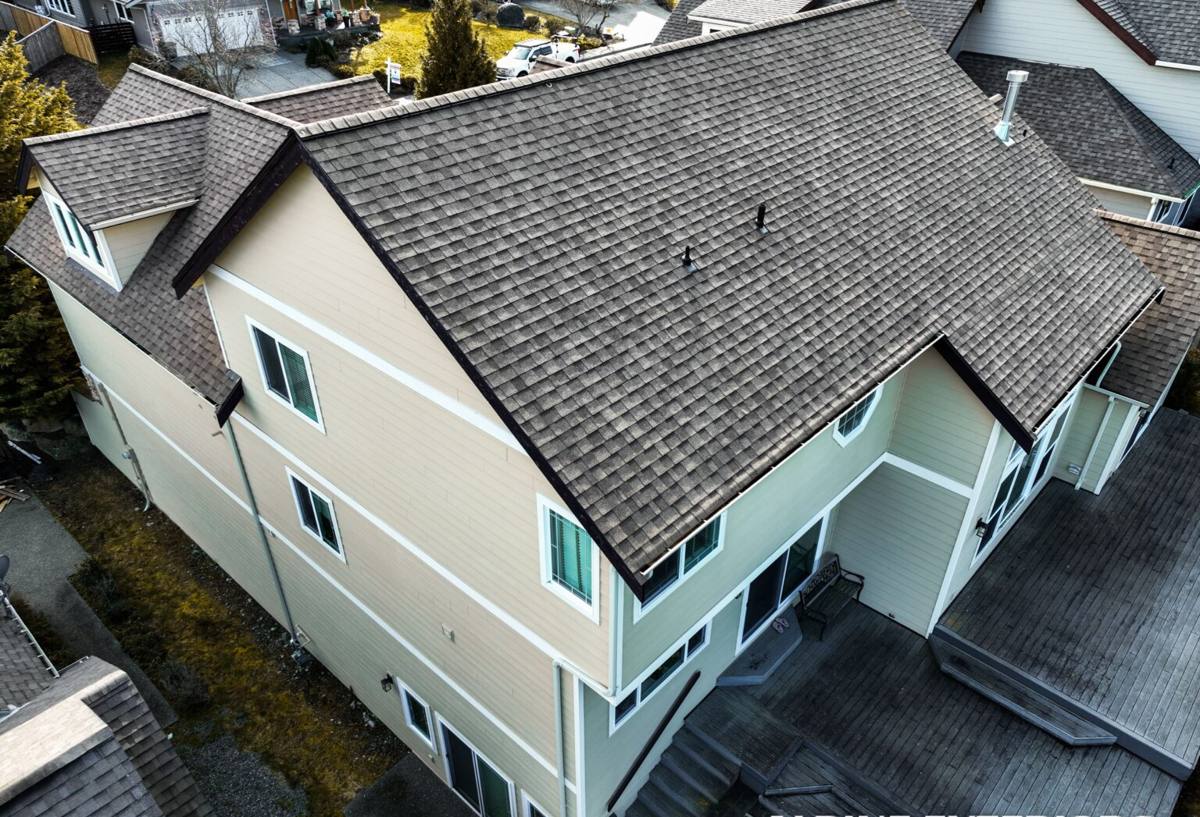
What Salt Air, Rain, and Moss Actually Do to a Deck
Each of these factors attacks a deck in a different way, and understanding the mechanism is what separates a deck that lasts from one that doesn't.
Salt Air and Metal Fatigue
Airborne salt accelerates corrosion on anything metal — nails, screws, joist hangers, bolts, and railing hardware. Standard electro-galvanized fasteners can start rusting within a couple of seasons this close to the water. Once a fastener corrodes, it loses holding strength long before the rust is visible from the surface, which is why hardware choice matters more here than almost anywhere else in the county.
Driving Rain and Water Intrusion
Rain that comes in at an angle finds its way into places vertical-only rain never would — under railing caps, behind ledger boards, into end-grain cuts on decking. Once water gets past the surface and into a cut edge or a poorly flashed connection, it doesn't dry out quickly in our climate, and that's when rot starts.
Moss and the Long Wet Season
Whatcom County's moss season runs long, and a deck that sits in partial shade near mature trees or a fence line can stay damp for weeks at a stretch. Moss and algae aren't just cosmetic — they hold moisture against the board surface and make the deck genuinely slippery, which is a real safety issue on stairs and near doorways.
Decking Material: What Actually Holds Up Near the Water
There's no single right answer for every home, but some materials are a better fit for harbor-adjacent exposure than others. We walk homeowners through the real trade-offs rather than pushing one product.
| Material | Moisture & Salt Behavior | Maintenance | Typical Lifespan |
|---|---|---|---|
| Pressure-treated fir/pine | Good if properly sealed and re-coated; end cuts need field treatment | Annual cleaning, re-sealing every 1-3 years | 15-20 years with upkeep |
| Cedar | Naturally rot- and insect-resistant; still needs sealing near salt air | Cleaning plus periodic oil or sealer | 15-25 years with upkeep |
| Composite/PVC decking | Doesn't absorb moisture or rot; some boards can still show mold film if not cleaned | Periodic washing, no sealing or staining | 25-30+ years, manufacturer-dependent |
Composite and PVC products have gotten better about mold and mildew resistance, but "low maintenance" doesn't mean "no maintenance" — every material on this list still needs the surface kept clean to shed moss and algae in this climate. We'll give an honest read on which option fits your budget, your home's exposure, and how much upkeep you actually want to do.
Structural Basics: Footings, Framing, and the Ledger Connection
The parts of a deck nobody sees are the parts that determine whether it's still standing straight in fifteen years. A few things we treat as non-negotiable on every build:
- Footings poured below the local frost depth and sized for the soil conditions on the lot, not a generic minimum
- Ledger boards flashed with a proper drip cap and waterproof membrane where the deck ties into the house — this is the single most common source of hidden rot on older decks
- Joist hangers and structural connectors rated for exterior, corrosion-resistant use, not standard interior-grade hardware
- Proper spacing and blocking so the frame doesn't rely on the decking boards themselves for rigidity
- Positive drainage under and away from the structure so water doesn't pool against posts or footings
None of this is visible once the decking goes down, which is exactly why it's worth asking a contractor to walk you through it before the boards cover it up.
Our Deck Building Process
We keep the process straightforward and give homeowners a clear picture of what's happening at each stage.
1. On-Site Assessment
We look at the site's exposure — how much direct salt air and driving rain it gets, how much shade it holds, and what's underneath if we're replacing an existing deck. If there's an old deck coming out, this is also when we check for rot that's already spread into the house framing.
2. Material and Layout Planning
We talk through decking material, railing style, and layout based on how the space will actually be used, then confirm everything meets current code and, where applicable, permitting requirements for the area.
3. Framing and Structural Work
Footings, posts, ledger flashing, and framing go in first, built to hold up under the moisture and salt conditions specific to this location — not a generic inland spec.
4. Decking, Railing, and Finish Work
Decking is installed with proper spacing for drainage and airflow underneath, railings are set and secured, and any sealing or finishing happens last.
5. Final Walkthrough
We walk the finished deck with the homeowner, point out anything they should know for maintenance, and answer questions before we consider the job done.
Railings, Fasteners, and Hardware That Actually Last Here
It's tempting to treat hardware as an afterthought, but on a harbor-adjacent property it's often the first thing to fail. We use stainless steel or heavy-duty coated fasteners rated for coastal and marine-adjacent exposure rather than standard-grade hardware, and we pay attention to galvanic compatibility between fasteners, flashing, and connectors so dissimilar metals aren't accelerating corrosion against each other. Railing posts get the same treatment — proper flashing at any point where a post penetrates the decking surface, since that's a common spot for water to work its way into the frame.
Cost Factors to Understand Before You Budget
Deck pricing varies widely based on size, material, and site conditions, so instead of a flat number, here's what actually moves the price up or down:
| Factor | Effect on Cost |
|---|---|
| Decking material (treated wood vs. cedar vs. composite) | Composite and PVC cost more up front, less over time in maintenance |
| Height off grade and stair requirements | Taller decks need more structural framing, footings, and often railings sooner |
| Site access and existing deck removal | Tight lots or full tear-outs add labor time |
| Railing style and hardware grade | Corrosion-resistant hardware and custom railing designs add cost but reduce long-term repairs |
| Permitting and structural upgrades | Ledger and footing work required to meet current code can add cost on older homes |
We give a written estimate that breaks these factors down so you know exactly what you're paying for, not just a bottom-line number.
Keeping a Blaine Harbor Deck in Good Shape
A well-built deck still needs some seasonal attention in this climate. This is the routine we recommend to homeowners after a build:
- Sweep debris and standing leaves off the deck regularly, especially in fall
- Rinse or scrub moss and algae film off the surface before it builds up, particularly on shaded sections and stairs
- Check railing posts and stair connections for movement once a year
- Re-seal or re-stain wood decking on the schedule appropriate for the product — don't wait until it looks dry and gray
- Look under the deck occasionally for signs of moisture pooling or debris trapped against framing
- Have the ledger board connection checked periodically, since that's the spot most prone to hidden water intrusion
Why a Crew That Already Works Blaine Harbor Matters
A contractor who mostly builds decks inland will default to inland assumptions — standard hardware, standard sealing schedules, standard framing details. On a property this close to Semiahmoo Bay, those defaults aren't wrong everywhere, they're just wrong here. We build and maintain decks throughout this part of Whatcom County, so the salt-air fastener upgrades, the ledger flashing details, and the material trade-offs aren't an afterthought — they're built into how we spec every job from the start. That's the difference between a deck that needs major repair in eight years and one that just needs normal seasonal care.
If you're planning a new deck or need an honest look at one that's showing its age, we're glad to come out, take a look, and put together a free, no-pressure estimate. Use the form below to get started.