 Semiahmoo Siding
 Roofing Built for Laurel's Weather, Not a Catalog Photo
Homes in Laurel sit close enough to the water and the tree line that a roof here has to earn its keep in ways a roof inland doesn't. Salt-laden air off the bay works on exposed metal and fasteners year-round. Driving rain off winter storms doesn't just fall straight down — it gets pushed sideways under flashing and around vents that were installed for calmer weather. And the long stretch of grey, damp months between fall and spring gives moss and lichen months to get established on any surface that stays shaded and wet. A new roof installation here needs to account for all three from day one, not get patched for them later.
We install roofs across Whatcom County, and Laurel homes get the same attention to detail as everywhere else we work: correct ventilation, correct underlayment for a wet climate, and flashing details that actually shed water instead of just looking finished. This page walks through what that means in practice.
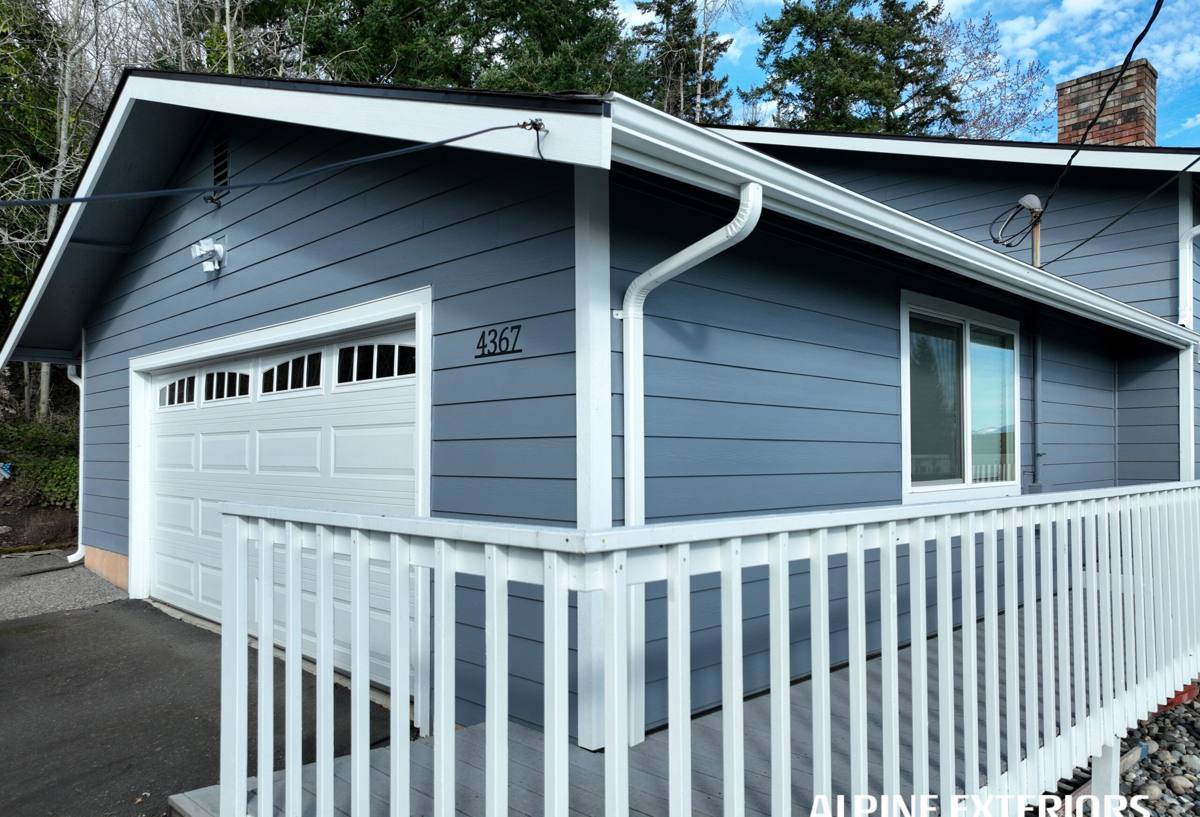
What Semiahmoo-Area Homes Are Up Against
Salt Air and Corrosion
Proximity to Semiahmoo Bay and the Strait means airborne salt reaches roofing metal — flashing, drip edge, nail heads, vent caps — even on homes that aren't right on the water. Standard fasteners and untreated metal corrode faster here than they would forty miles inland. Over years, corroded fasteners loosen, flashing pits and thins, and small leaks start at points that were never visually obvious from the ground.
Driving Rain and Wind-Driven Water
Whatcom County storms don't always drop rain straight down. Wind off the water pushes it sideways and up under laps, valleys, and flashing edges that a calmer climate's installation standards weren't built to resist. A roof that would be fine in a dry inland town can leak here if the underlayment laps and flashing overlaps aren't sized generously and sealed correctly.
Moss, Lichen, and the Long Wet Season
Shaded, north-facing slopes and anything under overhanging trees stay damp for months at a stretch. That's exactly what moss and lichen need to establish. Once moss takes hold, it holds moisture against the roof surface, lifts shingle edges, and accelerates wear well beyond what the material's rated for. It's a maintenance issue as much as an installation one, but the roof's design — slope, material choice, and how it sheds water — determines how much of a fight it becomes.
What a Correct New Roof Installation Actually Involves
"New roof" covers a lot of ground, and the quality gap between a fast tear-off-and-cover job and a properly built roof system shows up in year five or ten, not on install day. Here's what we consider non-negotiable on every job:
- Full tear-off to the deck, not an overlay — so we can actually inspect and address what's underneath
- Deck inspection and repair of any soft, delaminated, or water-damaged sheathing before anything new goes down
- Ice-and-water shield at eaves, valleys, and penetrations — the areas most exposed to wind-driven rain and ice damming
- Synthetic underlayment rated for extended wet exposure, not felt that degrades if weather delays the job
- Corrosion-resistant fasteners and flashing appropriate for coastal air, not the cheapest stock option
- Balanced intake and exhaust ventilation sized to the attic, not just "a ridge vent because that's standard"
- Properly lapped and sealed flashing at every penetration — chimneys, vents, skylights, sidewalls
- A finished ridge, valley, and edge detail that sheds water instead of catching debris and moss
Skip any one of these and the roof may look right for a few years before the shortcut shows up as a leak, a soft spot, or premature wear.
Choosing the Right Roofing Material for This Climate
There's no single "best" roofing material — the right choice depends on your home's slope, shade exposure, budget, and how much upkeep you're willing to do. Here's how the common options compare for a Laurel property specifically:
| Material | How it handles wet, mossy conditions | Typical lifespan here | Maintenance |
|---|---|---|---|
| Architectural asphalt shingle | Good with proper ventilation; algae-resistant granules help slow staining and moss | 20–30 years | Periodic moss/debris removal, especially on shaded slopes |
| Standing seam metal | Sheds water and moss buildup very well due to smooth, steep-shed surface; needs coastal-grade fasteners and coatings | 40–60 years | Low; occasional fastener and sealant check |
| Cedar shake | Attractive but holds moisture and is more susceptible to moss and rot in a long wet season without diligent upkeep | 20–30 years with upkeep | High; regular treatment and moss control needed |
| Composite/synthetic shingle | Resists moisture absorption and moss better than wood; consistent performance in coastal conditions | 30–50 years | Low to moderate |
We'll walk through these trade-offs with you honestly during the estimate — including where a lower-maintenance option might cost more up front but save you from repeat moss treatments and premature wear down the line.
Ventilation: The Detail That Determines How Long the Roof Lasts
Ventilation gets less attention than shingle color, but in a climate this wet it's arguably more important. An attic that can't move air properly traps moisture from everyday household humidity and from small amounts of moisture that work their way in during storms. Trapped moisture condenses on the underside of the deck, promotes rot, and can void material warranties that require documented ventilation. On a new install, we calculate intake (usually soffit vents) and exhaust (ridge or other exhaust vents) to match your attic's square footage — not just install whatever's fastest.
Flashing and Valleys: Where Most Leaks Actually Start
Field shingles or panels rarely fail first — leaks almost always start at a transition: a chimney, a sidewall, a valley, a vent pipe. Wind-driven rain off the bay finds these spots because that's where water naturally concentrates and where a rushed installation is most likely to cut corners. We flash every penetration and valley to shed water under wind pressure, not just under a straight-down rain test, and we use corrosion-resistant metal given the salt exposure in this area.
Our Process, Start to Finish
- On-site assessment — we look at your current roof, attic ventilation, deck condition where visible, and any shade or moss patterns specific to your lot
- Written estimate — clear scope, material options, and pricing with no vague allowances
- Tear-off and deck inspection — old material removed, deck inspected and repaired as needed before anything new is installed
- Underlayment and flashing — ice-and-water shield, synthetic underlayment, and corrosion-resistant flashing installed to spec
- Roofing material installation — installed to manufacturer specification, including nailing pattern and exposure, so warranties stay valid
- Ventilation and final details — vents balanced, ridge and valley finished, site cleaned up and inspected
- Walkthrough — we show you the finished work and go over any maintenance recommendations specific to your home's exposure
Why Hiring a Crew That Already Works This Area Matters
A roofer who mostly works drier, inland conditions will build a technically fine roof by general standards — and still get the coastal details wrong, because those details aren't something you learn without working this specific weather. We already know which fastener grades hold up against salt air here, which slopes in this area collect moss fastest, and how much extra lap and sealant a wind-driven storm off the water actually demands. That's not something you can spec from a manual; it's something you get from doing the work in Whatcom County repeatedly.
Signs Your Laurel Home May Need a New Roof Soon
Not every roofing issue calls for full replacement, but a few signs are worth a professional look rather than a wait-and-see approach:
- Granule loss showing up in gutters or at downspouts
- Shingle edges curling, cracking, or lifting, especially on shaded slopes
- Heavy, established moss or lichen that keeps returning after cleaning
- Visible sagging anywhere along the roofline
- Daylight or water stains in the attic, particularly near valleys or chimneys
- A roof approaching or past 20–25 years old, regardless of visible damage
If you're seeing more than one of these, it's worth getting an honest assessment of whether repair still makes sense or whether replacement is the better long-term investment.
Get an Honest Look at Your Roof
If your roof is showing its age, dealing with recurring moss, or you just want a straight answer on what it would take to do it right, we're glad to come take a look. Fill out the form below for a free, no-pressure estimate — we'll walk the roof, explain what we see, and give you options that fit your home and your budget.