 Semiahmoo Siding
 Windows Built for California Creek's Coastal Exposure
California Creek sits close enough to Semiahmoo Bay and the Strait of Georgia that homes here take a different kind of weathering than houses even a few miles inland. Salt-laden air moves in off the water, driving rain arrives sideways more often than straight down, and the long gray stretch from October through April keeps everything damp for weeks at a time. Windows are one of the first things to show that wear — chalky or pitted aluminum frames, vinyl that's gone brittle and yellowed, wood sashes with soft spots at the corners, and glass that's fogged between the panes because the seal finally gave out.
Replacing windows here isn't just a cosmetic upgrade. It's about closing the gaps salt air and moisture have been working on for years, and choosing materials and details that hold up to the next twenty.
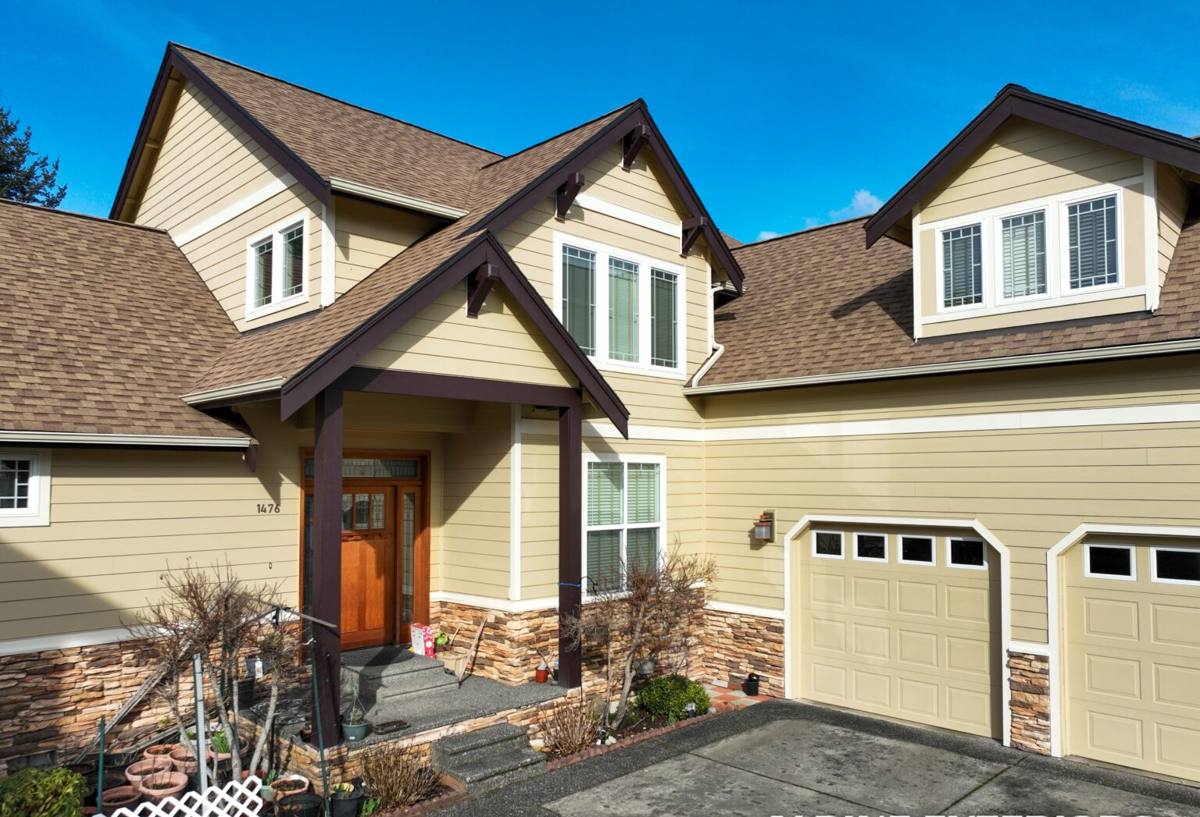
What Whatcom County's Coastal Climate Does to a Window Over Time
A window that would last three decades in a drier inland climate can start failing in half that time along the Semiahmoo shoreline if it wasn't built or installed with the local conditions in mind. The main culprits:
- Salt air corrosion — airborne salt accelerates corrosion on aluminum hardware, screws, and frame components, especially on the west- and south-facing sides that catch the prevailing weather.
- Driving rain — wind-driven rain doesn't just hit the glass, it gets pushed sideways into any gap around the frame, which is why flashing detail and sill pan design matter more here than in sheltered inland lots.
- Chronic humidity and moss season — long stretches of damp, low-light weather feed moss and algae growth on north-facing frames and sills, and keep wood trim from ever fully drying out between rain events.
- Temperature swings — cool nights off the water and daytime warming cause repeated expansion and contraction, which stresses seals and caulking faster than a stable inland climate would.
None of this means California Creek homes need exotic materials. It means the window unit, the flashing, and the installation sequence all need to be chosen with this specific exposure in mind — not treated the same as a job on the dry side of the Cascades.
Signs a California Creek Home's Windows Are Past Due
- Fogging or a milky haze between the panes (a failed seal on double-pane glass)
- Frames that feel soft, spongy, or show dark staining at the corners
- Visible moss or algae buildup on sills and lower frame edges
- Drafts you can feel near the frame on a windy day, even with the window latched
- Hardware that's pitted, corroded, or hard to operate
- Condensation forming on the inside of the glass regularly through fall and winter
What a Correct Window Replacement Involves
A window replacement done right in this climate has more steps than people expect, and most of the value is in the parts you can't see once the trim goes back on.
1. Removal Without Hidden Damage
Old windows come out carefully so we can actually see the condition of the rough opening — the wood framing, sheathing, and any existing flashing underneath. This is where problems from years of water intrusion usually show up first, and it's the reason we don't quote a job sight-unseen for anything beyond a rough budget range.
2. Repairing What's Underneath
If there's soft or water-damaged framing around the opening — common in coastal homes where a seal failed years before anyone noticed — that gets repaired before a new window goes in. Setting a new window into a compromised opening just hides the problem for a few more years instead of solving it.
3. Flashing and Weather Barrier Detail
This is the step that matters most for driving-rain exposure. Proper sill pan flashing, correctly lapped house wrap or weather barrier, and sealant placed in the right order (not just caulked over everything at the end) are what actually keep wind-driven rain from working its way behind the frame. It's also the step that's easiest to shortcut and hardest to inspect after the fact — which is exactly why the crew doing it matters.
4. Setting, Shimming, and Sealing the Window
The window gets shimmed level and square, fastened per the manufacturer's specification, and insulated around the frame — not just stuffed with fiberglass, but sealed in a way that controls both air movement and moisture. Exterior sealant is applied last, over the flashing, not as a substitute for it.
5. Interior and Exterior Finish
Trim, casing, and interior sill get reinstalled or replaced, and the exterior gets caulked and, where applicable, painted to match. We check operation — smooth open, close, and lock — before calling the job done.
Choosing the Right Window for a California Creek Home
There's no single "best" window for every house, but a few material and design choices matter more here than elsewhere in Whatcom County.
| Frame Material | Coastal Performance | Maintenance |
|---|---|---|
| Vinyl (quality-grade) | Good — won't corrode, handles moisture well, reasonable cost | Low — occasional cleaning |
| Fiberglass | Very good — dimensionally stable, resists warping from temperature swings | Low |
| Aluminum (standard) | Weaker in salt air — prone to pitting and corrosion over time unless heavily coated | Higher — hardware and finish need more attention |
| Wood (unclad) | Poor unless meticulously maintained — absorbs moisture, prone to rot in this humidity | High — regular refinishing needed |
| Wood-clad (vinyl or aluminum exterior) | Good — exterior shell protects the wood core from the weather | Moderate |
For most California Creek homes we recommend vinyl or fiberglass frames with dual-pane, low-E glass and argon fill for the exterior-facing units, especially anything on the west or south side that catches the weather directly. Where a homeowner wants a wood interior look for aesthetics, wood-clad units give you that without leaving raw wood exposed to salt air and driving rain.
Glass and Coating Considerations
Low-E coatings help with year-round comfort and energy performance, which matters given how many overcast, damp months this area gets. Dual-pane glass with argon fill is the standard now for a reason — the sealed gas fill resists the fogging and seal failure that older single-pane or poorly-sealed units are prone to. If a home faces the water directly, we'll also talk through impact-resistant glass options, though for most California Creek properties standard dual-pane performs well when it's installed correctly.
Why Local Installation Experience Matters Here
Window replacement isn't a one-size-fits-all trade. A crew that mostly works drier, inland jobs can install a technically correct window and still get outperformed by weather within a few years, because the flashing detail and sealant sequencing that work fine in a low-rain climate aren't enough for driving rain off the Strait. Working in Semiahmoo and the surrounding Whatcom County coastline means routinely dealing with:
- Wind-driven rain patterns specific to west- and south-facing exposures near the water
- Salt air's effect on hardware, fasteners, and unprotected metal over time
- Moss and algae growth patterns that tell us where moisture is lingering longest
- Seasonal timing — knowing when a dry enough window exists to do the job right, even in a wet fall or spring
That local pattern recognition is the difference between a window install that looks right on day one and one that's still performing well in year fifteen.
Our Process for a California Creek Window Replacement
- On-site assessment — we look at existing windows, the condition of the rough openings where visible, and the specific exposure of each side of the house.
- Honest scope and estimate — a clear breakdown of what's being replaced, the materials recommended and why, and what we expect to find once old units come out.
- Scheduling around the weather — we plan install days around realistic dry windows, since flashing and sealant need dry conditions to perform as designed.
- Removal, inspection, and any needed framing repair — addressed before the new window goes in, not glossed over.
- Correct flashing, setting, and sealing — the steps that actually determine how the window performs in driving rain.
- Finish work and walkthrough — trim, paint-matching, operation check, and a walkthrough so you know exactly what was done.
Cost Factors Homeowners Should Know
Window replacement pricing varies a lot based on number of windows, frame material, size, and what condition the rough openings are in once we open things up. Rather than quote a fake number, here's what actually moves the price:
| Factor | Why It Matters |
|---|---|
| Frame material (vinyl vs. fiberglass vs. clad-wood) | Material cost and long-term durability trade-offs vary significantly |
| Number of windows and access | Second-story or hard-to-access windows take more time and equipment |
| Condition of existing framing | Rot or water damage found during removal adds repair scope |
| Glass package (standard dual-pane vs. upgraded low-E/argon/impact) | Performance upgrades cost more but pay off in a coastal climate |
| Trim and finish work | Matching existing trim profiles or repainting adds labor |
We'll always walk through these factors specific to your home before giving a number, so you know what you're paying for and why.
Maintaining New Windows in a Coastal Climate
Even a well-installed window benefits from a little seasonal attention out here:
- Rinse salt residue off frames and glass periodically, especially after storms
- Check and clear weep holes on vinyl frames so water drains instead of pooling
- Wipe down sills during moss season to keep growth from taking hold
- Inspect exterior caulking annually and touch up before small gaps become entry points for water
- Operate hardware regularly so mechanisms don't seize from disuse and humidity
Get a Straight Answer on Your California Creek Windows
If your windows are fogging, drafty, hard to operate, or just showing their age, it's worth having someone look at them who actually knows what this stretch of coastline does to a home over time. We'll give you a straightforward, no-pressure estimate and an honest read on what your windows actually need — whether that's a full replacement or just a repair. Use the form below to request your free estimate.