 Semiahmoo Siding
 Energy-Efficient Windows Built for Lynden's Climate
Lynden sits inland from the coast, but that doesn't mean the weather goes easy on a house. Winters bring cold, damp air off the valley and hard frosts that find every gap in an old window frame. Summers can swing warm and dry, which stresses seals and glazing in the opposite direction. Add the driving rain that rolls through Whatcom County most of the year and the long stretch of gray, low-sun months that let moss and algae take hold on north- and shade-facing walls, and you've got a climate that is genuinely hard on windows — especially anything original to a home built before energy codes tightened up.
Energy-efficient windows aren't just about a lower power bill, though that's real. In a house like the ones common around Lynden — older farmhouses, mid-century ranches, newer builds on the edge of town — the bigger issue is usually comfort and moisture. Drafty or failed windows let cold air in, let warm moist indoor air condense on cold glass, and over time let water find its way into wall framing that was never built to handle it. Replacing windows the right way fixes both problems at once.
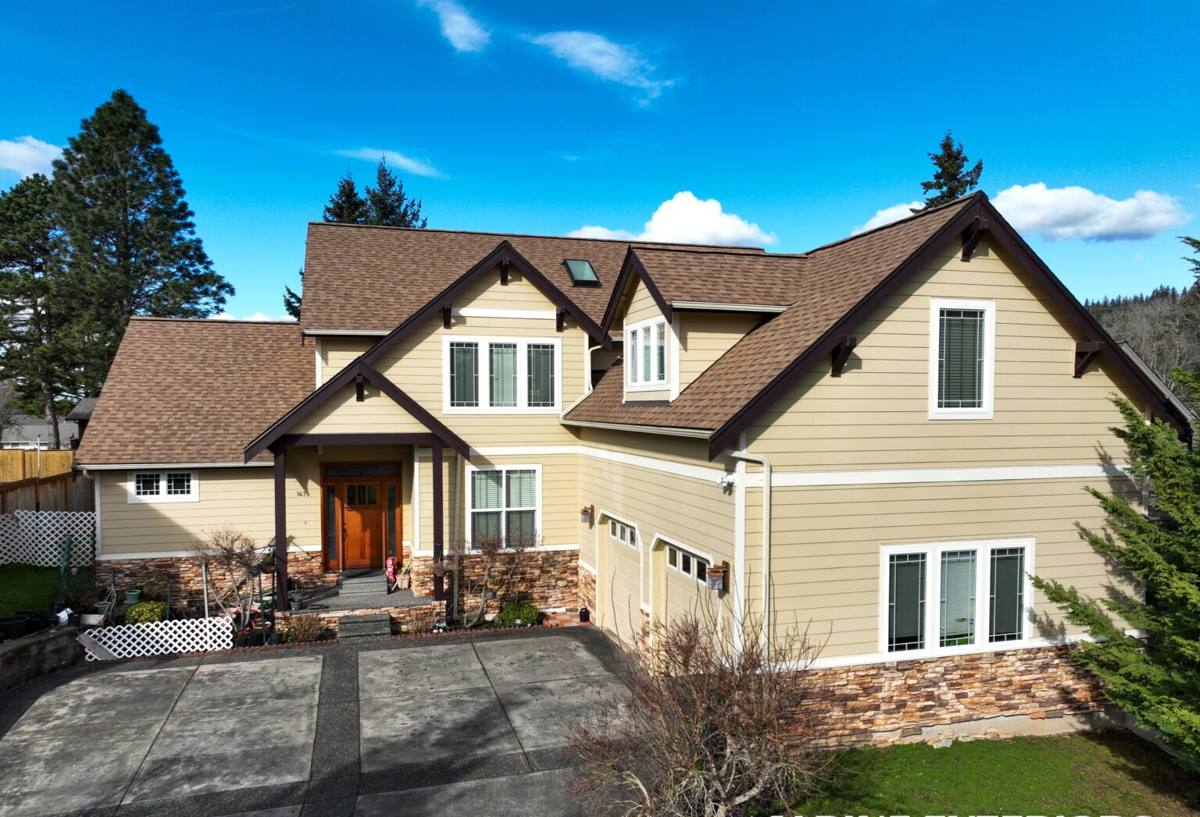
What Whatcom County Weather Does to Older Windows
A single-pane or early double-pane window that's twenty-plus years old has usually lost most of what made it efficient in the first place. Seals fail, gas fills (if there ever were any) leak out, and wood or vinyl frames flex and gap slightly every heating season. In Lynden's climate, that shows up as:
- Fogged or hazy glass between panes — a sign the seal has failed and the insulating gas or dead air space is gone
- Cold drafts near the frame edges on windy, rainy days, even with the window latched shut
- Visible moss, black streaks, or soft, spongy wood at the sill and bottom corners
- Condensation on the inside of the glass during cold snaps — a sign of poor insulating value, not just humidity
- Frames that are hard to open, warped, or no longer sit flush in the opening
None of this is unusual for the area — it's just what driving rain, seasonal moss growth, and repeated freeze-thaw cycles do to building materials over enough years. It's also exactly the set of problems energy-efficient replacement windows, installed correctly, are designed to solve.
What "Energy-Efficient" Actually Means
The term gets used loosely, but there are a handful of real, measurable factors that determine how a window performs in a climate like ours:
| Factor | What It Measures | Why It Matters Here |
|---|---|---|
| U-Factor | How well the window resists heat loss (lower is better) | Directly affects winter heating costs and how cold the glass feels near seating areas |
| SHGC (Solar Heat Gain Coefficient) | How much solar heat passes through the glass | Matters on south- and west-facing windows that get direct sun |
| Air Leakage Rate | How much outside air sneaks past the frame and sash | The main source of drafts and the reason wind-driven rain finds its way in |
| Condensation Resistance | How well the window resists interior condensation in cold weather | Reduces window sill rot and mold risk during our long damp season |
Frame material matters too. Vinyl frames are common, affordable, and low-maintenance, but quality varies a lot between manufacturers. Fiberglass frames hold up well to temperature swings and generally move less than vinyl, which helps seals last longer, at a higher upfront cost. Wood-clad windows look great and perform well but need more upkeep, especially with the moisture we get here. We'll talk through the honest trade-offs for your home rather than push one option — what matters most is the window is installed and flashed correctly, because installation quality affects performance more than most people expect.
Signs Your Lynden Home Might Need New Windows
You don't need to guess. Most homeowners who end up calling about windows have noticed one or more of the following:
- Rooms near windows feel noticeably colder in winter than the rest of the house
- Heating bills have crept up without an obvious explanation
- Windows are painted or caulked shut, or won't stay open on their own
- Fogging, haze, or visible moisture trapped between panes
- Soft or discolored wood trim around the window opening
- Moss or algae buildup on the sill, casing, or nearby siding
- Outside noise seems louder than it used to be through the glass
Any one of these on its own might just mean a repair. Several together, especially on a home more than fifteen or twenty years old, usually means the windows have reached the end of their useful life.
Why Window Replacement Is a Siding Job Too
This is where a lot of window replacements go wrong, and it's the piece that matters most in a climate that gets as much wind-driven rain as ours. A window opening isn't just a hole with glass in it — it's a system of flashing, house wrap, and trim that has to work together to keep water out of the wall. If a crew swaps the window but doesn't correctly integrate the new flashing with the existing siding and weather-resistive barrier, water can get behind the wall assembly and you won't see the damage until it's already rotted framing or grown mold — often years later.
We approach window replacement as siding contractors first, which means we're thinking about the whole wall, not just the window unit. That means proper pan flashing at the sill, correctly lapped house wrap or building paper above and around the opening, sealed and back-caulked nailing flanges, and trim work that sheds water instead of trapping it. If your siding needs attention at the same time — whether that's repair around the window openings or a full re-side down the road — it's worth doing as one coordinated job instead of two separate ones that don't talk to each other.
Our Installation Process
- On-site assessment — we look at the existing windows, framing condition, and siding around each opening, not just the glass
- Measuring and window selection — accurate measurements and a frank conversation about frame material, glazing options, and budget
- Careful removal — old windows come out without unnecessary damage to surrounding siding and trim
- Inspection of the opening — any soft wood, damaged sheathing, or failed flashing gets addressed before the new window goes in, not covered up
- Flashing and installation — pan flashing, properly lapped water-resistive barrier, and a level, square, correctly shimmed install
- Sealing and trim — appropriate sealants at the right joints (not everywhere — over-caulking can trap moisture) and finished trim to match your home
- Final check and cleanup — operation check on every window, site cleanup, and hauling away the old units
What Affects the Cost
Every home is different, so we won't quote a number without seeing the job, but these are the factors that typically move the price:
| Factor | How It Affects Cost |
|---|---|
| Frame material | Vinyl is generally the most affordable; fiberglass and wood-clad cost more upfront |
| Window size and type | Larger units, custom shapes, or operable styles (casement, awning) cost more than standard double-hung |
| Number of windows | Replacing an entire home at once is usually more cost-efficient per window than doing them piecemeal |
| Condition of the opening | Rotted framing or sheathing found during removal adds repair work before the new window goes in |
| Siding coordination | Repairing or replacing siding around the openings at the same time can save labor versus two separate visits |
| Access and story height | Second-story or hard-to-reach windows take more time and equipment |
Why Hire a Crew That Already Works in Lynden
A crew that regularly works homes in and around Lynden and the rest of Whatcom County already knows what this climate does to a wall assembly — where moss tends to build up, which orientations take the worst of the driving rain, and how the freeze-thaw cycle here differs from the milder marine climate right along the coast at Semiahmoo. That familiarity matters when it comes to flashing details and material choices, because what works fine in a drier climate can fail here within a few seasons if it's not adapted to local conditions.
It also means you're working with a crew that treats windows and siding as connected systems instead of separate trades that don't coordinate. That's the difference between a window replacement that looks fine on install day and one that's still performing — no drafts, no leaks, no rot at the sill — ten and twenty years down the road.
Get an Honest Look at Your Windows
If your Lynden home has drafty, foggy, or aging windows, we're happy to take a look and give you a straightforward assessment — no pressure, no upsell. Fill out the form below to schedule a free estimate, and we'll walk you through what we see and what your real options are.