 Semiahmoo Siding
 Blaine Harbor's Siding Challenge: Salt Air, Rain, and Moss
Homes around Blaine Harbor sit in one of the more demanding exterior environments in Whatcom County. The water close by means siding is exposed to salt-laden air almost year-round, which speeds up corrosion on fasteners and trim and slowly breaks down materials that aren't built to handle it. Add in the long stretch of driving rain that blows off the water during fall and winter storms, and siding here has to shed water fast, not just resist it. Then there's moss — with the mild, wet Pacific Northwest climate keeping shaded and north-facing walls damp for weeks at a time, moss and algae growth is less a nuisance and more a constant maintenance issue for the wrong siding material.
None of this means siding here has to fail early. It means the material, the installation details, and the finish all have to be chosen with this specific exposure in mind. A siding system that works fine in a drier inland town can struggle within a decade near Blaine Harbor if it wasn't built for coastal conditions.
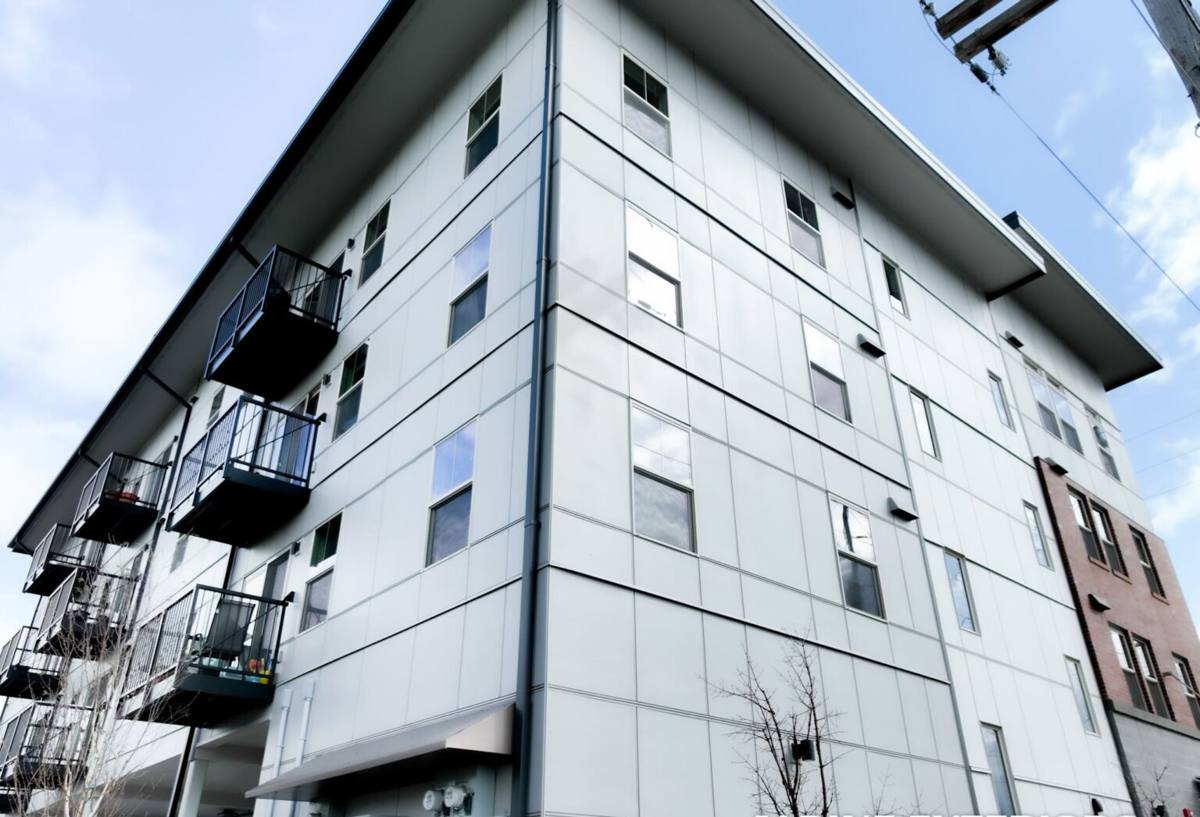
Signs Your Siding Has Reached the End of Its Service Life
Siding failure near the water rarely shows up as one dramatic problem — it's usually a combination of small signs that add up. Before assuming a repair will fix things, it's worth checking for the following:
- Soft, spongy, or crumbling spots, especially near the bottom courses, corners, and window trim
- Paint that's peeling, bubbling, or needing repainting far more often than it used to
- Persistent moss, algae, or dark streaking that comes back within a season of cleaning
- Visible gaps, warping, or boards pulling away from the wall
- Rust staining running down from nail heads or metal trim
- Rising energy bills or drafts that suggest the wall assembly behind the siding is compromised
- Interior signs like musty smells, discolored drywall, or trim damage near exterior walls
Any one of these can be a localized repair. Several at once, especially on a home with older wood, LP SmartSide, or aging vinyl, usually points to a replacement being the more honest recommendation than another round of patching.
What a Correct Siding Replacement Actually Involves
Siding replacement is not just removing old boards and nailing up new ones. Done correctly, it's a full rebuild of the wall's weather barrier, and skipping steps is exactly how homes end up with rot again in five or six years.
Tear-Off and Inspection
Old siding comes off in sections so the sheathing underneath can actually be inspected, not guessed at. This is the point where hidden rot, soft sheathing, or old water damage gets found — and it needs to be dealt with before anything new goes up, not covered over.
Water-Resistive Barrier and Flashing
A new weather-resistive barrier goes on the sheathing, with flashing detailed correctly at every window, door, deck ledger, and roof-to-wall intersection. In a location that takes as much wind-driven rain as Blaine Harbor does, flashing details matter more than almost anything else in the job — most siding failures trace back to a flashing detail that was rushed or skipped.
Installation to Manufacturer Spec
Fastener type, spacing, clearances from grade and roof lines, and caulking at the right joints (and not at joints that should be left to drain) all have to follow the manufacturer's installation instructions. This is also what keeps a manufacturer's warranty valid — installed wrong, even premium siding loses its long-term protection.
Why We Install Only James Hardie Fiber Cement
We made a decision to install one siding system, not because it's the only product on the market, but because it's the one we're confident stands up to this exact climate over the long haul. James Hardie fiber cement is non-combustible, doesn't rot, and isn't a food source for the moss and algae that thrive in our damp shoulder seasons. Its ColorPlus factory-applied finish is baked on under controlled conditions, which holds color and resists fading and peeling far better than a field-applied paint job — a real advantage on a coastline where sun, salt, and rain all attack a painted surface at once.
Hardie's HZ5 product line is engineered specifically for climates like ours, with moisture and freeze-thaw performance built into the product rather than left to installation alone. It also carries a strong, transferable limited warranty when installed by a qualified crew — which matters to a future buyer as much as it does to you. We're not going to tell you every other siding product is worthless; we'll tell you plainly why we stopped installing the alternatives and standardized on this one.
Material Comparison: What Holds Up Near Semiahmoo Bay
| Material | Salt Air Performance | Moss/Algae Resistance | Finish Durability |
|---|---|---|---|
| James Hardie Fiber Cement | Strong — non-combustible, dimensionally stable | Strong — cement substrate resists organic growth | ColorPlus factory finish holds color for years |
| Vinyl Siding | Moderate — can warp or fade with sun/salt exposure | Moderate — grows algae in shaded, damp areas | Color is baked in but fades over time; can't be painted easily |
| LP SmartSide (Engineered Wood) | Moderate — treated, but still wood-based | Requires diligent upkeep to prevent moisture intrusion | Field-applied paint needs periodic recoating |
| Primed Spruce / Cedar | Weak to Moderate — natural wood needs constant upkeep | Weak — organic material, prone to moss and rot | Paint or stain needs frequent maintenance |
This isn't about declaring other materials unusable everywhere — vinyl and engineered wood have their place. It's about being honest that a property sitting close to the water, taking driving rain and salt spray most of the year, is exactly the situation where those trade-offs show up fastest.
Our Siding Replacement Process
Assessment and Estimate
We walk the exterior with you, note problem areas, and give you a clear, honest estimate — including what we expect to find once the old siding comes off, based on the home's age and exposure.
Prep and Protection
Landscaping, walkways, and outdoor living areas get protected before tear-off starts. We also plan around weather windows, since a wet install is a bad install.
Tear-Off, Repair, and Rebuild
Old siding comes off, sheathing gets inspected and repaired where needed, and the weather barrier and flashing go in correctly before a single new board is hung.
Installation and Finish
Hardie siding is installed to manufacturer spec, trim and caulking are finished cleanly, and we do a final walkthrough with you before calling the job done.
Cleanup
Old material, packaging, and job-site debris are hauled off — you shouldn't be left cleaning up after your own siding replacement.
What Affects the Cost of a Siding Replacement
| Cost Factor | Why It Matters |
|---|---|
| Home size and wall complexity | More square footage, corners, and cutouts mean more material and labor |
| Condition of sheathing underneath | Hidden rot or water damage found during tear-off adds repair cost, but skipping it costs far more later |
| Siding profile and trim details | Lap width, panel style, and trim complexity affect material and install time |
| Access and site conditions | Tight lots, multi-story walls, and slopes near the water can affect equipment and labor |
| Existing paint or coating removal | Some older materials require extra prep or disposal handling |
We don't quote a number without seeing the home first — anyone who does is either guessing or padding for surprises they haven't checked for. A proper estimate accounts for what's likely hiding under the old siding, not just what's visible from the driveway.
Why Local Experience in Blaine Harbor Matters
A crew that's worked this specific stretch of Whatcom County knows what to expect before tearing into a wall — where moisture tends to collect, which orientations take the worst of the wind-driven rain, and how much moss buildup is normal versus a sign of a deeper problem. That's not something you can fully learn from a training manual; it comes from doing the work here, on homes with the same exposure yours has. It also means we're not learning on your project — the flashing details, clearances, and finish work that matter most in this climate are ones we've already refined on other homes nearby.
Caring for Your New Siding
Fiber cement siding is low-maintenance, not no-maintenance. A rinse-down once or twice a year keeps salt residue and organic buildup from settling in, especially on shaded walls. Keep gutters clear so water isn't sheeting down the siding face, and keep an eye on caulking at trim joints over the years — recaulking occasionally is normal upkeep, not a sign anything went wrong. Compared to repainting a wood or engineered-wood exterior every few years, it's a minor routine.
If your siding is showing its age, or you just want a straight answer about whether repair or replacement makes more sense for your home, we're happy to take a look. Fill out the form below for a free, no-pressure estimate.