 Semiahmoo Siding
 Board & Batten Siding Built for Drayton Harbor
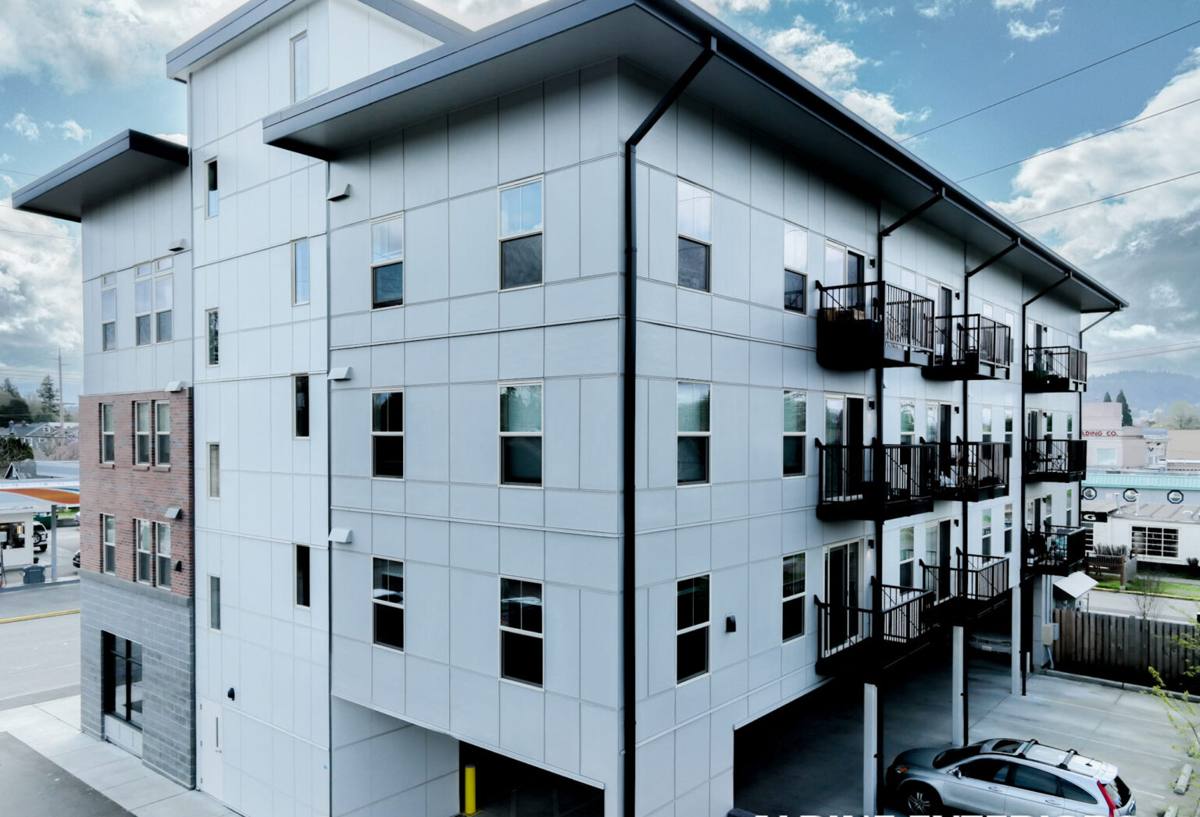
Board and batten is one of the most requested looks on homes around Drayton Harbor, and it's not hard to see why. The vertical lines read as clean and modern on newer builds, but the same profile also suits the cabin-and-cottage character of a lot of older waterfront and near-water homes in the Semiahmoo area. It's a strong look on garages, gable ends, accent walls, and full exteriors alike.
But board and batten is not just a style choice. It's a different siding system than horizontal lap siding, with different water paths, different fastening requirements, and different failure points if it's detailed wrong. On a harbor-exposed property in Whatcom County, getting those details right matters more than it would on a sheltered inland lot. This page covers what board and batten needs to hold up around Drayton Harbor, what a correct installation actually involves, and how we approach the job here.
What Drayton Harbor's Climate Puts Siding Through
Homes near Drayton Harbor deal with a specific combination of stresses that inland Whatcom County properties don't see to the same degree:
- Salt-laden air: Wind moving off the harbor carries fine salt and moisture that settles on exterior surfaces year-round, not just during storms.
- Driving rain: Wind-blown rain doesn't just fall on siding here, it gets pushed sideways into seams, joints, and fastener lines that would stay dry on a calmer site.
- A long moss season: Cool, damp conditions for much of the year give moss and algae a long window to take hold on north-facing walls, shaded elevations, and anywhere airflow is poor.
- Freeze-thaw cycling: Not as severe as it is east of the mountains, but real enough over a Pacific Northwest winter to stress any siding material that absorbs and holds water.
None of this makes board and batten a bad choice for the area. It makes the material and the installation method the two things you can't afford to get wrong.
Why Vertical Siding Behaves Differently Than Lap Siding
Horizontal lap siding sheds water down and off the wall by design, board over board, course after course. Board and batten runs vertically, which means every horizontal cut, every panel-to-panel joint, and every batten seam is a potential path for water to travel down and into the wall assembly instead of off of it. There are simply more places for wind-driven rain to find a way in, which is exactly the condition Drayton Harbor sees more of than most Whatcom County neighborhoods.
The Material We Use: James Hardie Fiber Cement Panel and Batten
We install board and batten using James Hardie fiber cement panel siding with a batten system over the joints — never vinyl board and batten, never LP SmartSide, never raw cedar boards. That's a deliberate standard, not a default. On a harbor-exposed home, the material underneath the batten trim carries the real weight of the job, and fiber cement is the one that holds up to what this location does to a wall.
- Non-combustible core. Fiber cement doesn't feed a fire the way wood-based panel products can, which matters on any home but is a real consideration during dry summer stretches even in a generally wet climate.
- Engineered for this climate zone. James Hardie's HZ5 product line is formulated for wetter, harsher climates like the Pacific Northwest, rather than a one-size-fits-all national product.
- Factory-applied ColorPlus finish. The color is baked on at the factory under controlled conditions, which holds up to salt air and UV exposure far better than a finish applied on site after installation.
- Dimensionally stable. Fiber cement doesn't swell, cup, or split the way wood siding does when it takes on repeated moisture, which is exactly what happens to south and west walls facing the harbor.
We're not going to tell you every other product on the market is worthless — vinyl board and batten and engineered wood both have a place, and each does some things well. But for a harbor-facing wall that's going to take salt air and driving rain for the next thirty years, we've standardized on fiber cement because it's the one material in that lineup that doesn't ask you to gamble on caulking and paint maintenance to keep the wall dry.
What a Correct Board & Batten Installation Actually Involves
A board and batten job that looks right on install day and a board and batten job that's still tight in ten years are not always the same job. The difference is almost entirely in details you can't see once the siding is up.
The Details That Matter Most
- A rainscreen gap. A drainage plane behind the panel lets any moisture that does get past the siding drain and dry out instead of sitting against the sheathing.
- Correct fastener placement and count. Fiber cement panel has manufacturer-specified fastening patterns for a reason — under-fastened panels move, and movement opens joints to water over time.
- Flashed and lapped horizontal joints. Every place a panel ends and another begins on a tall wall needs proper flashing, not just caulk, especially on elevations that catch direct wind-driven rain.
- Batten spacing that matches the panel, not just the eye. Battens need to land on solid backing and cover the panel joint fully, with consistent reveal, or the seams underneath stay exposed.
- Sealed penetrations. Every hose bib, light fixture, and vent through a board and batten wall is a place water can find a way in if it isn't properly flashed and sealed.
- Proper clearance at grade and roof lines. Siding that terminates too close to the ground, a deck, or a roof surface stays wet longer and starts failing from the bottom or top first.
Board & Batten vs. Other Siding Approaches for a Harbor Lot
Board and batten isn't the only option for a Drayton Harbor exterior, and it isn't automatically the right one for every home. Here's how it stacks up against the alternatives most homeowners in the area are weighing.
| Approach | Look | How It Handles Salt Air & Driving Rain | Maintenance Over Time |
|---|---|---|---|
| Board & batten fiber cement | Modern, cabin, or farmhouse vertical lines | Strong, when rainscreen and flashing are done correctly | Low — factory finish, occasional rinse and joint check |
| Horizontal lap fiber cement | Traditional Pacific Northwest look | Very strong — fewer horizontal water paths by design | Low — same factory finish advantages |
| Vinyl board & batten | Similar vertical look, lighter material | Prone to gapping and warping under repeated wind and moisture cycles | Moderate — panels can bow, fade, and need replacement in sections |
| Real wood board & batten | Authentic cabin appearance | Absorbs moisture and salt readily, especially on exposed elevations | High — repainting, caulking, and board replacement on a recurring cycle |
If the look you want is board and batten, fiber cement is how we make sure that look survives this location. If a home's exposure is severe enough, we'll sometimes recommend board and batten as an accent on gables or entry features paired with horizontal lap on the broad wind-facing walls — that's a conversation worth having during a site walk rather than deciding from a brochure.
How We Approach a Drayton Harbor Board & Batten Project
1. Site Assessment
We walk the property and identify which elevations take the worst of the harbor wind and driving rain, where moss has already established, and where existing trim, flashing, or old siding has already failed. That assessment shapes the flashing and drainage plan before a single panel goes up.
2. Tear-Off and Sheathing Check
Old siding comes off and we check the sheathing underneath for rot or moisture damage, which is common on harbor-facing walls that have been dealing with wind-driven rain for years, sometimes behind siding that looked fine from the outside.
3. Weather Barrier and Rainscreen Installation
A new weather-resistant barrier goes on first, followed by a drainage gap system, so the wall assembly can dry out even if some moisture makes it past the siding surface — the single biggest factor in long-term performance on an exposed lot.
4. Panel and Batten Installation
Panels go up to manufacturer fastening specs, joints are properly flashed and lapped, and battens are set with consistent spacing and solid backing.
5. Trim, Caulking, and Final Detailing
Trim boards, corners, and penetrations get sealed with attention to the spots that see the most direct rain, and we walk the finished job looking specifically for anything a harbor storm would find.
6. Final Walkthrough
We go over the finished exterior with the homeowner, point out anything worth knowing for long-term care, and answer questions about maintenance specific to a harbor-adjacent property.
Living With Board & Batten Near the Harbor
Fiber cement board and batten is low-maintenance compared to wood or vinyl, but "low-maintenance" isn't "no-maintenance" in this climate. A few habits go a long way on a Drayton Harbor property:
- Rinse salt residue off the siding periodically, especially on walls facing the harbor directly.
- Check north-facing and shaded elevations each fall for early moss or algae growth and address it before it spreads.
- Walk the exterior once a year and look at caulking around trim, windows, and penetrations — this is the first place a harbor storm finds a weakness.
- Keep gutters and downspouts clear so water isn't sheeting down a wall it wasn't designed to handle.
- Trim back vegetation that's shading a wall and keeping it damp longer than it should be.
Why a Crew That Already Works Drayton Harbor Matters
Board and batten done wrong doesn't usually fail in year one. It fails in year five or eight, after enough freeze-thaw cycles, enough driving rain events, and enough salt exposure have found every shortcut in the installation. A crew that's worked other homes in this exact location already knows which elevations take the worst of the wind, where moss establishes first, and which details can't be skipped on a harbor lot — not from a training manual, but from having already fixed the jobs that skipped them. That local pattern recognition is worth as much as the material choice itself.
If you're weighing board and batten for a home near Drayton Harbor, we're glad to walk the property, look at your specific exposure, and talk through what the job actually needs. Reach out for a free, no-pressure estimate using the form below.