 Semiahmoo Siding
 Siding Repair Built for Custer's Weather, Not a Generic Checklist
Custer sits inland from Semiahmoo Bay in Whatcom County, close enough to the water that salt-laden air reaches homes on a regular basis, but far enough that many owners don't think of themselves as "coastal" until their siding tells them otherwise. Add in the driving rain that comes off Pacific storm systems most of the year and a moss season that can run from fall through spring, and you get a set of conditions that ages siding differently here than it does forty miles inland. A siding repair in Custer isn't just patching a hole or caulking a seam — it's addressing what this specific climate does to a wall system over years of exposure.
This page focuses on one thing: repairing siding on homes in and around Custer. Not a general "siding repair" overview, and not a sales pitch for a full tear-off you don't need. If a section of your siding is failing, staining, or letting water in, here's what's actually going on, what a correct repair looks like, and how we approach it as a crew that already works this area.
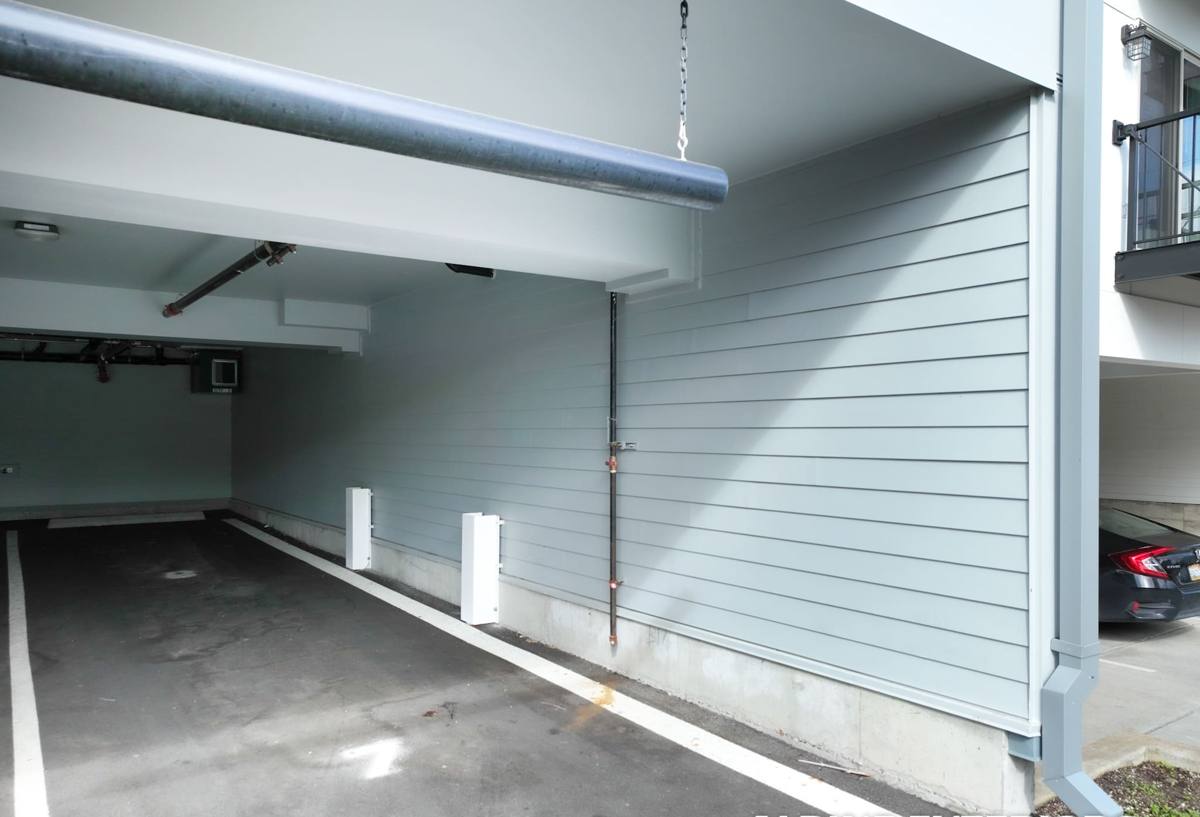
Signs Your Custer Home's Siding Needs Repair
Some damage is obvious. A lot of it isn't — it hides behind trim, under eaves, and in the lower courses closest to grade where splash-back and standing moisture do their slow work. Before you decide whether you need a repair or just a cleaning, walk your exterior and look for these:
- Dark streaking or a greenish-black film on north- and west-facing walls, especially under overhangs or tree cover
- Soft or spongy spots when you press on siding near the bottom courses, around window sills, or below downspouts
- Visible gaps, cracked caulk, or separated joints at butt seams and trim corners
- Paint that's bubbling, peeling, or chalking unevenly rather than fading uniformly
- Warping, cupping, or boards that no longer sit flat against the wall
- A musty smell or visible staining on interior walls that share an exterior wall with damaged siding
- Nail heads that have backed out or rust-streaked below fasteners
Any one of these on its own might be minor. Several together, especially clustered in one area, usually mean water has been getting behind the siding for a while.
What's Actually Damaging Siding in This Part of Whatcom County
Salt Air
Proximity to Semiahmoo Bay and the Strait means airborne salt reaches exterior surfaces even without a direct ocean view. Salt is hygroscopic — it pulls moisture out of the air and holds it against whatever surface it settles on. On siding, that means finishes break down faster, fasteners corrode sooner, and any exposed wood substrate stays damp longer than it would a few miles inland. It's a slow, cumulative effect rather than a single dramatic failure, which is exactly why it goes unnoticed until repair costs are higher than they needed to be.
Driving Rain and Wind-Driven Moisture
This region doesn't just get rain — it gets rain pushed sideways by wind off open water, which finds every weak seam, gap, and unsealed joint a normal rainstorm would miss. Wind-driven rain is why water damage on Custer homes often shows up around window trim, at horizontal seams, and along exposed corners rather than on broad flat wall sections. A repair that only addresses the visible symptom and ignores the water path behind it tends to fail again within a season or two.
Moss and Algae Season
Shaded, north-facing, and tree-adjacent walls in this area can stay damp for months at a stretch, which is exactly what moss and algae need to establish. Beyond the cosmetic issue, moss holds moisture directly against the siding surface and, on wood-based products, accelerates rot at the exact spots where growth takes hold. What looks like a cleaning problem is often an early-stage moisture problem.
What a Correct Siding Repair Actually Involves
A repair that just fills a gap or nails a loose board back down treats the symptom, not the cause. Done right, a siding repair in this climate involves several steps most homeowners never see:
Inspection Beyond the Visible Damage
We check the area around visible damage, not just the damage itself, because water travels. A stain at one seam often traces back to a flashing gap or failed sealant several inches or feet away.
Moisture Assessment
Where rot or staining is present, we check how far moisture has traveled into the wall assembly. Surface-level repairs on siding that's sitting over a damp sheathing layer just buy a little time before the same spot fails again.
Water Management, Not Just Patching
Proper flashing, correct overlap at seams, and appropriate house wrap or weather barrier detailing matter more than the patch material itself. A cosmetically perfect repair with poor water management underneath will fail again — usually in the same spot.
Finish and Material Matching
On homes with factory-finished siding, matching color and texture matters for both appearance and long-term performance, since mismatched touch-up paint weathers differently than a factory finish and can create a visible patch years down the road.
Repair or Replace? How We Help You Decide
Not every problem area needs a full re-side, and not every "small" repair should stay small. Here's how we generally think through it:
| Factor | Leans Toward Repair | Leans Toward Replacement |
|---|---|---|
| Extent of damage | Isolated to one or two areas | Recurring in multiple locations across the home |
| Underlying cause | Identifiable and fixable (flashing, sealant, isolated impact damage) | Systemic — original installation or material issue affecting the whole wall system |
| Siding material | Sound material, cosmetic or localized failure | Material itself is failing (delamination, widespread rot, chronic swelling) |
| Age of siding | Well within expected service life | Nearing or past the material's realistic lifespan |
| Moisture behind the wall | None found beyond the immediate repair area | Evidence of moisture intrusion at multiple points |
We'll tell you honestly which side of that table your home falls on. If a targeted repair solves the problem, that's what we'll recommend and price — there's no advantage to us in overselling a job your siding doesn't need.
Repairing Non-Hardie Siding: Where We Stand
We only install James Hardie fiber cement siding on full replacement or new work. That said, most of the repair calls we get in Custer are on homes with vinyl, LP SmartSide, cedar, or older fiber cement products that someone else installed — and we still repair those where a repair is the right call for the homeowner.
What we won't do is pretend a patch on a failing material is a long-term fix if it isn't. If we're repairing vinyl or wood-based siding and see the kind of widespread moisture damage, delamination, or recurring rot that points to the material reaching the end of its useful life, we'll say so directly, and explain why we'd move to Hardie fiber cement for the replacement rather than continuing to chase the same failure points. Hardie's non-combustible composition, factory ColorPlus finish, and engineered resistance to moisture and pests are exactly the properties that hold up under salt air, wind-driven rain, and a long moss season — which is why it's the only product we stand behind for full installations. But an honest repair on your existing siding, when that's genuinely the right move, comes first.
Our Process for a Custer Repair Call
- We walk the exterior with you and identify every affected area, not just the spot you called about
- We check for moisture intrusion behind the visible damage before quoting anything
- We give you a straight answer on repair versus replacement, with the reasoning behind it
- For repairs, we correct the underlying water path — flashing, sealant, or barrier detail — before addressing the surface
- We match finish and material as closely as the situation allows, and tell you upfront if an exact match isn't realistic
- We walk the completed repair with you before we consider the job done
Why a Local Crew That Already Works This Area Matters
Siding problems in Custer and the surrounding Semiahmoo-area communities follow patterns — which walls take the worst of the wind-driven rain, which orientations stay damp long enough to grow moss, which older installations in this area tend to have the same flashing shortcuts. A crew that works this specific part of Whatcom County regularly recognizes those patterns faster than one seeing the region for the first time, which means less time spent diagnosing and more time spent fixing the actual cause. It also means we're not guessing about how a repair will hold up through another wet season here — we've seen how these repairs perform in this exact climate.
Get a Straight Answer on Your Siding
If you're seeing staining, soft spots, or failing seams on your Custer home, we'll come take an honest look and tell you what's actually going on — no pressure, no upsell if a targeted repair is the right call. Request a free estimate below and we'll get you scheduled.