 Semiahmoo Siding
 Fiber Cement Siding in Laurel: Matched to This Climate, Not Just Installed on a House
Laurel sits in the Semiahmoo area of Whatcom County, close enough to open water that homes here deal with salt-laden air, and far enough into the region's marine weather pattern that driving rain and a long moss season are just part of owning a house. Siding on a Laurel property isn't a cosmetic choice — it's the first line of defense against a climate that stays wet, humid, and salty for most of the year. We install James Hardie fiber cement siding exclusively, and this page walks through what that means specifically for a Laurel home: what the climate does to a wall assembly here, what correct installation actually involves, and why it's worth hiring a crew that already knows this area rather than one learning it on your house.
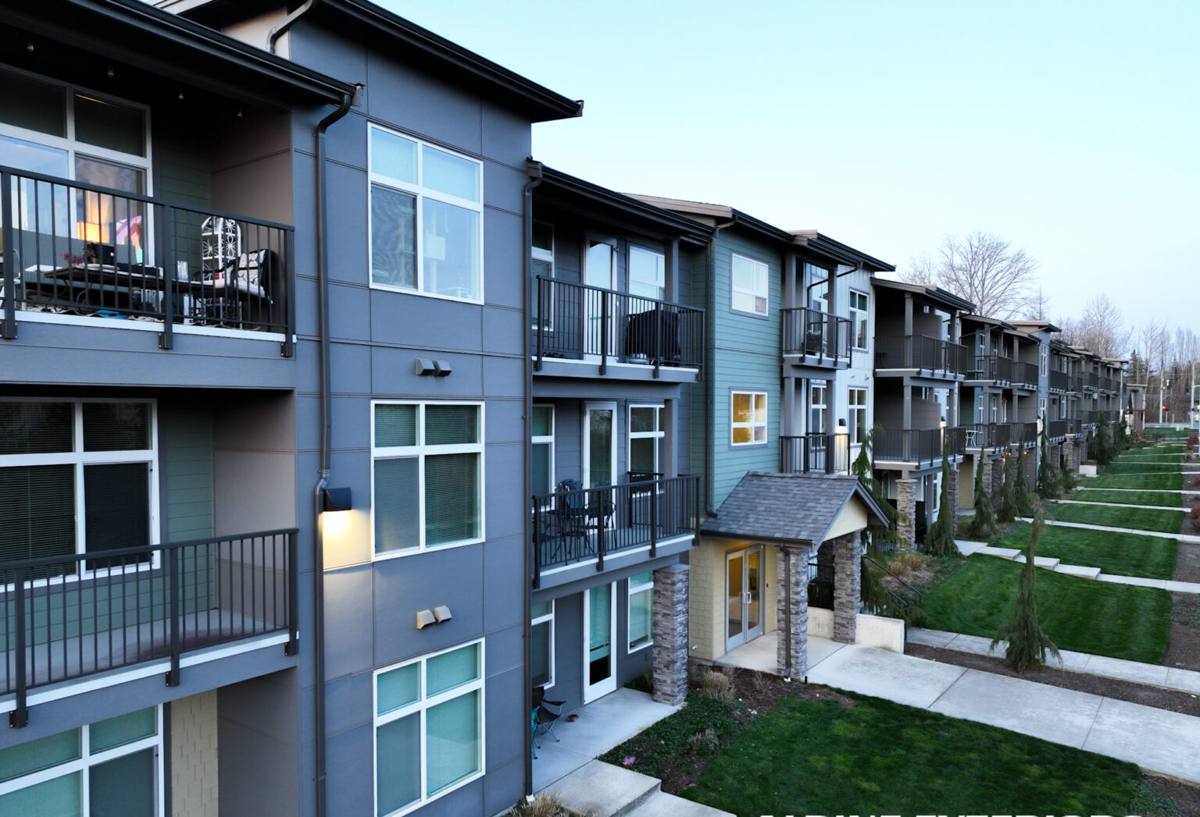
What Salt Air, Driving Rain, and Moss Do to Siding Here
Salt Air and Slow Corrosion
Proximity to Semiahmoo Bay and the broader Strait of Georgia means Laurel homes take on salt-laden air more consistently than properties further inland in Whatcom County. Salt doesn't just sit on a surface — it works into fasteners, flashing, and any finish that isn't built to resist it, speeding up corrosion and finish breakdown over years of exposure. A siding material and hardware package that performs fine in a drier inland climate can start showing rust streaks, pitted fasteners, or a chalky, faded face years ahead of schedule out here.
Driving Rain Against the Wall
Wind off the water pushes rain sideways into siding, trim, and window openings rather than letting it fall straight down and run off. That sideways pressure finds weak points that a calmer climate would never expose — a lap joint that isn't quite tight, a nail that missed the stud, a piece of trim caulked instead of properly flashed. Over a wet season or two, those small gaps are exactly where water gets behind the siding and into the wall assembly, which is where real damage starts.
A Long Moss and Mildew Season
Mild temperatures and near-constant humidity give moss and mildew most of the year to establish themselves on north-facing walls, shaded siding, and anywhere moisture lingers longer than it should. Porous or moisture-absorbing siding materials give moss and mildew something to hold onto; a dense, factory-finished material gives them far less. For Laurel homeowners, this shows up as green or black staining that keeps returning on the same shaded elevations no matter how many times it gets washed off, unless the underlying material and detailing are addressed.
Why Fiber Cement Is the Right Call for This Property Type
Given that combination of salt exposure, wind-driven rain, and a long wet season, the material behind the finish matters as much as the finish itself. Fiber cement is dimensionally stable — it doesn't swell, cup, or warp the way wood-based products can after repeated wetting and drying cycles — and it doesn't feed moss and mildew growth the way porous materials do. That's the core reason we standardized on James Hardie fiber cement rather than continuing to offer several different siding products.
| Material | How It Handles Wet, Salty Air | Ongoing Maintenance | Typical Longevity in This Climate |
|---|---|---|---|
| James Hardie fiber cement | Dimensionally stable; factory ColorPlus finish resists moisture and salt | Low; occasional wash-down, no refinishing on the standard cycle | 30+ years with correct installation |
| Vinyl siding | Can distort or warp with temperature swings; seams are exposure points for wind-driven rain | Low upfront, but seams and fasteners need periodic checking | Variable; shorter in high-wind, open-exposure spots |
| LP SmartSide / engineered wood | Wood-based core is sensitive at cut edges and joints if moisture gets in | Moderate; edge sealing and caulk joints need regular attention | Depends heavily on installation quality and upkeep |
| Cedar / primed wood | Absorbs and releases moisture readily; prone to swelling and checking | High; refinishing on a recurring cycle in wet, salty air | Shorter without consistent, disciplined maintenance |
Each of those alternative products has a place in the broader market, and plenty of homeowners elsewhere are satisfied with them. But we've made a professional decision not to install LP SmartSide, vinyl siding, Cemplank, Allura, primed spruce, or cedar, because in a climate like Laurel's we've seen those materials shift long-term maintenance risk onto the homeowner in ways fiber cement doesn't.
What Correct Installation Actually Involves
Fiber cement only performs the way it's engineered to when it's installed to James Hardie's published specifications — the material isn't a shortcut around good building practice, it's a better foundation for it. On a Laurel home, that means several things happening in the right order, not just panels going up in a straight line.
Weather-Resistive Barrier and Drainage Plane
Behind the siding, a properly lapped weather-resistive barrier and, where the assembly calls for it, a drainage or rain-screen gap give any moisture that does get past the siding face a way to drain and dry out instead of sitting against the sheathing. This step happens before a single piece of Hardie board goes up, and skipping or rushing it is one of the most common causes of hidden wall rot behind siding that looks fine from the street.
Fastening, Clearance, and Flashing
Hardie specifies fastener type, size, and spacing for a reason — undersized or improperly placed fasteners are a direct path for water intrusion and premature corrosion in salt air. Correct clearance from grade, roof lines, and decks keeps the bottom edge of the siding out of standing water and splash-back. And every window, door, and roof-to-wall transition needs flashing that's properly lapped and integrated with the siding, not just caulked over, since caulk alone is a maintenance item, not a permanent seal.
Joints and Finish
Factory-mitered corners and properly sealed butt joints keep water from tracking into the seams where two pieces of siding meet — one of the most common failure points on any siding job, fiber cement or otherwise. The ColorPlus finish, baked on at the factory rather than brushed on in the field, holds its color and resists chalking and fading far longer than site-applied paint, which matters in a climate that gives a painted finish very little rest between wet stretches.
The James Hardie Product System
James Hardie makes more than one siding profile, and part of doing a Laurel project right is matching the product line to the house and the climate zone.
- HardiePlank lap siding: The most common profile, available in several textures and exposure widths, suited to most home styles.
- HardiePanel vertical siding: Often used for accent sections, gables, or a board-and-batten look when combined with battens.
- HardieShingle siding: A shingle profile for homes where that architectural style fits, without the moisture sensitivity of real wood shingles.
- HardieTrim: Matching trim boards for corners, window and door surrounds, and fascia, finished to hold up alongside the siding itself.
Hardie's HZ5 formulation is engineered for regions with heavy moisture exposure and freeze-thaw cycling, which describes coastal Whatcom County well, and it's the formulation appropriate for a Laurel installation. Color selection through the ColorPlus line matters here too — factory-applied color holds up to salt air and UV far better than a field-applied topcoat, which is one more reason we don't treat color as an afterthought late in the project.
What Affects the Cost of a Fiber Cement Project in Laurel
Every property is different, and we don't publish blanket pricing because the honest answer depends on the specifics of the house. The factors below are the ones that most often move a project's scope and cost, and they're worth understanding before you start collecting quotes.
| Cost Factor | Why It Matters |
|---|---|
| Condition of existing siding and sheathing | Hidden moisture damage found during tear-off requires repair before new siding can go on correctly |
| Home height and access | Multi-story sections, steep roof lines, or tight lot access affect scaffolding, staging, and labor time |
| Trim and corner detail complexity | Homes with more windows, dormers, and architectural detail require more precise cutting and flashing work |
| Siding profile and color selection | Lap width, panel style, and ColorPlus color options carry different material costs |
| Drainage plane and weather barrier scope | Full rain-screen detailing versus standard weather-resistive barrier changes labor and material needs |
Our Process for a Laurel Fiber Cement Project
We start with an on-site walk-through of the existing siding and wall assembly, looking specifically for how moisture and salt exposure have affected it so far — not just what's visible from the ground, but what the fastener condition and any soft spots near grade or roof transitions suggest is happening underneath. From there we put together a clear, written scope covering tear-off, any sheathing repair, weather barrier and drainage detailing, the specific Hardie products and color, and a realistic timeline. Once work begins, flashing, fastening, and drainage detailing are treated as standard practice on every Laurel project, not optional upgrades priced separately.
Why a Crew That Already Works Laurel Matters
A contractor who regularly works this part of Whatcom County already knows how salt air, wind-driven rain, and a long moss season behave here differently than they do in a drier or more sheltered inland setting. That familiarity shows up in decisions a homeowner rarely sees directly — which fastener grade gets used, how much drainage detailing goes behind the siding, where extra flashing gets added at a transition that looks fine but historically traps water in this climate. Those decisions are exactly what determines whether a fiber cement job lasts a couple of decades or closer to the material's full 30-plus-year potential.
What to Ask Before Hiring for Fiber Cement Siding in Laurel
- Ask which siding brand and product line they install, and why — and get their answer on the specific climate challenges Laurel presents
- Confirm current Washington contractor licensing and active liability insurance before any work starts
- Ask how they handle the weather-resistive barrier and drainage detailing behind the siding, not just the finished face
- Ask about fastener type and spacing, and whether they follow the manufacturer's published installation specification
- Get a clear, written scope of work, including tear-off and any sheathing repair, before signing a contract
If you're weighing siding options for a Laurel home, we're glad to walk the exterior with you and give a straight read on what it actually needs. Reach out below for a free, no-pressure estimate.