 Semiahmoo Siding
 Roofing in Lynden: A Different Set of Problems Than Most of the Country
Homes in Lynden and the surrounding Semiahmoo area deal with a roofing climate that's harder on a roof than most homeowners realize. It isn't hurricane winds or hailstorms that do the damage here — it's the slow, steady combination of driving rain, salt-laden air moving in off the water, and a moss season that can run eight months or longer in a wet year. None of that shows up as a dramatic failure overnight. It shows up as a slow leak nobody noticed until there was a stain on the ceiling, or shingles that granulated out years before they should have.
A roof repair in this part of Whatcom County has to account for all of that. A patch that would hold up fine in a dry climate can fail here in a single winter if it doesn't account for how water actually moves across a roof during weeks of sustained rain, or how moss works its way under shingle tabs and lifts them from below.
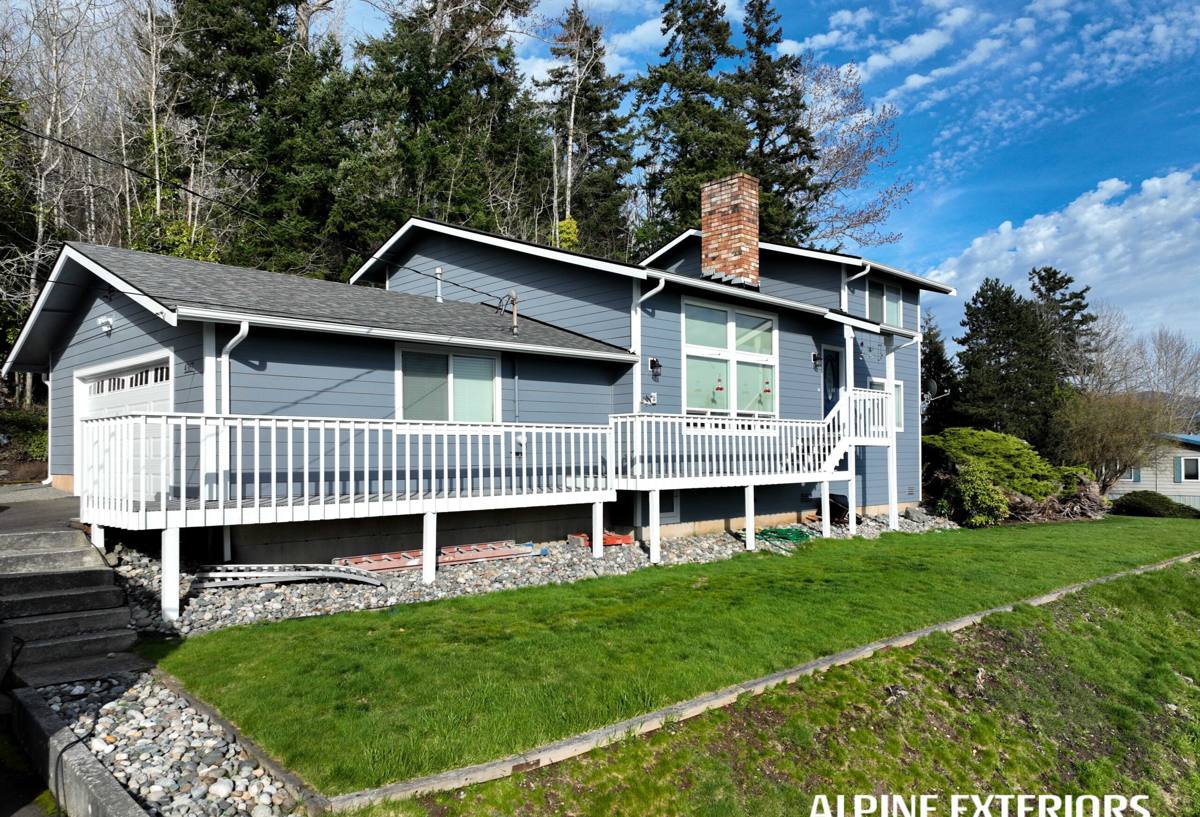
Why Lynden Roofs Take a Different Kind of Beating
Driving Rain, Not Just Rainfall Totals
It isn't just how much rain falls — it's how it arrives. Wind-driven rain pushes water sideways and uphill under normal circumstances, forcing moisture into laps, seams, and flashing that were only ever designed to shed water moving straight down. Roofs here need repairs that account for wind direction and exposure, not just a shingle swap.
Salt Air and Slow Material Breakdown
Homes closer to the water, including much of the Semiahmoo area, get a steady dose of salt-laden air. Salt accelerates corrosion on exposed metal — flashing, fasteners, vent caps, gutter hardware — long before the shingles themselves show their age. A repair that ignores corroding metal components is a repair that's going to need to be redone.
Moss: The Slowest, Most Underrated Threat
Whatcom County's damp, shaded winters are close to ideal moss-growing conditions. Moss doesn't just look bad — it holds moisture directly against the roofing material, works its root structure under shingle edges, and lifts tabs enough for wind-driven rain to get underneath. By the time moss is visible from the ground, it's often been doing damage for a season or more.
Common Roof Problems We Find on Lynden Homes
Moss and Organic Growth Damage
Lifted shingle tabs, granule loss concentrated on north-facing or shaded slopes, and soft or spongy decking underneath heavy moss growth are the most common issues we're called out for in this area.
Flashing and Penetration Failures
Chimneys, plumbing vents, skylights, and roof-to-wall transitions are where most leaks actually originate — not in the open field of shingles. Corroded or improperly lapped flashing is a frequent culprit in older Lynden homes.
Wind-Driven Rain Intrusion at Valleys and Eaves
Valleys and low-slope eave areas take the brunt of driving rain. Undersized or degraded underlayment in these areas lets water track back under shingles even when the shingles themselves look intact.
Gutter and Drainage-Related Rot
Clogged or undersized gutters back water up under the eave edge, which leads to fascia rot and, over time, deck damage at the roof perimeter — a problem that often gets misdiagnosed as a roofing issue when it's really a drainage issue.
What a Correct Roof Repair Actually Involves
Diagnosis Before Patching
A repair that starts with "replace the visibly bad shingles" and skips everything else is a repair that treats the symptom, not the cause. Before we touch a shingle, we trace the leak or damage to its actual source — which is very often several feet away from where the stain shows up inside the house, since water travels along the decking before it drips.
Matching Materials, Not Just Colors
A visible patch job is one where the repair shingles don't match the existing roof's exposure, profile, or granule blend. We source matching materials whenever the manufacturer and product line allow it, and we're upfront when an exact match isn't possible due to product discontinuation or sun-fading on the existing roof.
Underlayment and Flashing Get Replaced, Not Reused
Old underlayment and corroded flashing don't get tucked back under new shingles. If we're opening up a section of roof, the water-resistant layer underneath it gets rebuilt properly — that's the part of the repair that actually determines whether it holds for the long haul.
Fastening for Wind and Moisture, Not Just Code Minimum
Proper nail placement and count matter more in a driving-rain climate than in most parts of the country, because under-fastened shingles are exactly what wind-driven rain and gusts work loose first.
Repair or Replace? What Actually Tips the Decision
Not every roof problem needs a full replacement, and not every leak can be permanently solved with a patch. Here's how we walk homeowners through that decision:
| Factor | Points Toward Repair | Points Toward Replacement |
|---|---|---|
| Roof age | Under roughly two-thirds of expected lifespan | At or beyond expected lifespan for the material |
| Extent of damage | Isolated to one section, slope, or penetration | Spread across multiple slopes or the whole roof |
| Decking condition | Solid, no soft spots found on inspection | Soft, delaminated, or rotted decking present |
| Repair history | First or second repair on this roof | Repeated repairs to the same areas over time |
| Moss/organic growth | Surface growth, shingles still sound underneath | Growth has caused granule loss or lifted tabs broadly |
When a roof lands clearly on one side of this table, the decision is straightforward. When it's mixed, we lay out the honest trade-offs — including what a repair buys you in time versus what a replacement costs up front — and let the homeowner decide with real information instead of a sales pitch.
Our Roof Repair Process
- Inspection and diagnosis — we get on the roof (or use elevated photography when access or safety requires it) and trace damage to its source, not just its symptom.
- Written scope and estimate — you get a clear explanation of what's failing, why, and what the repair will involve, with no pressure to upsell to a full replacement unless the roof genuinely needs it.
- Material matching — we source shingles, flashing, and underlayment appropriate to your existing roof system and this climate.
- Repair execution — old, damaged, and compromised materials come out; new materials go in with proper fastening, flashing, and water-shedding detail.
- Cleanup and walkthrough — debris and old material removed, and we walk the repair with you before we consider the job done.
Signs You Need a Roof Repair Now, Not Later
Waiting on a roof problem in this climate almost always makes it more expensive. Here's what should prompt a call rather than a wait-and-see approach:
- Visible moss buildup, especially on shaded or north-facing slopes
- Shingle tabs that look lifted, curled, or cupped
- Granules collecting in gutters or at downspout outlets
- Water stains on interior ceilings or upper-floor walls, even faint ones
- Daylight visible through the roof deck from inside the attic
- Rusted, cracked, or visibly separated flashing around chimneys, vents, or skylights
- Sagging or soft-feeling spots when walking the roof (a sign for a professional, not a DIY check)
Why Hiring a Crew That Already Works Lynden Matters
Roofing crews who work this specific climate day in and day out recognize moss and moisture damage patterns faster, because they've seen the same failure points on dozens of similar roofs in the same weather conditions. That translates into a diagnosis that's right the first time, rather than a repair that addresses the obvious damage but misses the underlying cause a few feet away.
It also means realistic scheduling. Roof repairs in Whatcom County need dry working windows, and a crew that works this region plans around that reality instead of promising timelines the weather won't allow.
Maintenance That Extends a Repair's Lifespan
A properly done repair still benefits from basic upkeep in this climate. Keeping gutters clear so water doesn't back up under eave edges, addressing moss growth before it spreads rather than after, and having a roof checked after major windstorms are the simplest ways to protect the investment in a repair and avoid needing another one sooner than necessary.
Get an Honest Look at Your Roof
If you're dealing with a leak, visible moss, or a roof that just doesn't look right, we're happy to take a look and give you a straight answer — repair, monitor, or replace — with no pressure either way. Reach out for a free, no-obligation estimate using the form below.