 Semiahmoo Siding
 Siding Installation Built for California Creek's Conditions
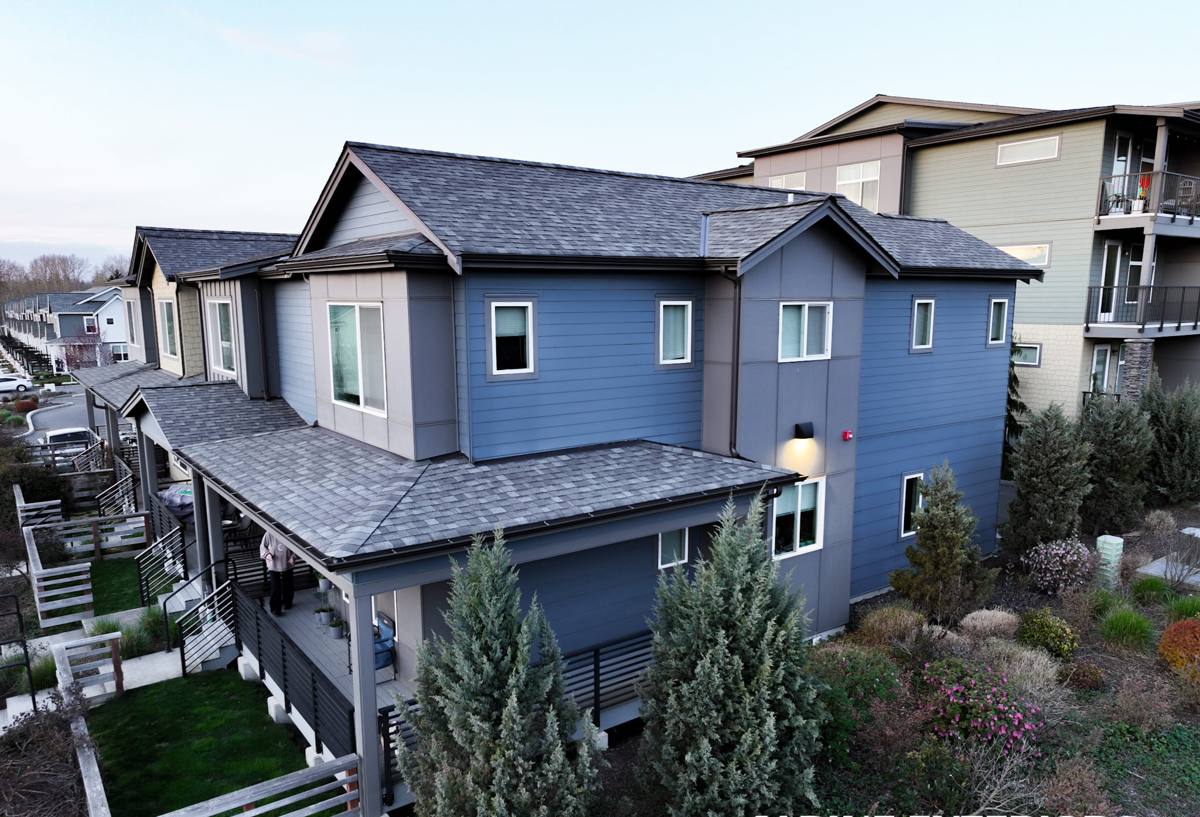
California Creek sits inland from the open shoreline of the Semiahmoo peninsula, where mature tree cover and creek-side terrain create a noticeably different exterior environment than homes facing the open water directly. It's still part of the same broader marine climate that defines this stretch of Whatcom County — salt air drifts in from Semiahmoo Bay and Drayton Harbor regardless of how far back from the water a lot sits, driving rain still arrives on windy fronts, and the region's long moss season doesn't skip a neighborhood just because it's set a few minutes from the shoreline. But the specific way that climate acts on a California Creek home is different enough from a spit-front property that it changes what a correct siding installation actually needs to account for.
This page is about siding installation specifically — new construction and full re-siding, not patch repair — for homes in and around California Creek. We install James Hardie fiber cement exclusively, and everything below assumes that system, since it's the only siding we install to spec in this area.
What Makes California Creek Different From the Open Spit
Shade, Tree Cover, and Slow-Drying Walls
Homes near California Creek typically sit under more mature tree canopy than properties out on the open Semiahmoo waterfront. That shade is easy on the yard, but it changes how a wall assembly dries out. A wall that gets regular sun exposure sheds moisture between storms; a shaded wall on a wooded, creek-adjacent lot can stay damp for days after a weather system passes through. Siding and the drainage detailing behind it need to account for that slower drying cycle, not just for total rainfall.
Low-Lying Ground and Creek-Adjacent Drainage
Land near a creek tends to sit lower and hold groundwater closer to the surface than a lot set higher above the shoreline. That affects how splash-back and standing water behave at the base of exterior walls, particularly after a heavy rain event when the creek and surrounding soil are already saturated. Clearance between the bottom of the siding and grade matters everywhere in this climate, but it matters more on ground that stays wet longer than the rest of the yard.
Regional Salt Air and Driving Rain Still Apply
Being set back from the open water reduces direct salt spray, but it doesn't eliminate salt-laden air moving through the area, and it doesn't change the fact that wind-driven rain off Semiahmoo Bay still reaches inland properties on a bad-weather day. Fasteners, flashing, and trim hardware on a California Creek home still need to be chosen for a marine climate — just one filtered somewhat by distance and tree cover rather than faced head-on.
What a Correct James Hardie Installation Involves Here
Drainage Detailing for a Shade-Heavy Lot
On a wall that doesn't get much direct sun, a rainscreen or drainage-plane gap behind the siding does more work than it would on a sunnier, more exposed elevation. That gap lets bulk water and residual moisture drain and evaporate instead of sitting against the back of the panel, which matters more when the wall's natural drying time is already slower because of shade.
Fastening, Spacing, and Hardware
James Hardie specifies fastener type, spacing, and placement by product line and exposure, and following that spec is what keeps the warranty valid and the panels secure through wind events that reach even sheltered, tree-covered lots. We don't substitute standard-grade fasteners for the corrosion-resistant hardware this climate calls for just because a property sits back from the open water.
Clearance at Grade and Around Landscaping
Mature trees and established landscaping near a creek-side home often mean soil, mulch, and groundcover have built up around the foundation over the years. Hardie's minimum clearance requirements between siding and grade exist to keep the bottom edge of the panel out of standing water and splash-back, and that clearance needs to be measured and respected at install time, not assumed from how the yard already looks.
Flashing at Every Penetration
Windows, doors, hose bibs, and vents all interrupt the siding plane, and each one is a place water can get behind the cladding if it isn't flashed correctly. On a lot that stays damp longer between storms, a flashing mistake has more time to do damage before the wall ever gets a real chance to dry out.
Sealing Field-Cut Edges
Every panel cut on site — around a window, at a corner, at the end of a run — needs its cut edge sealed or primed to spec before installation continues. Left raw, a cut edge is one of the more common places fiber cement siding actually takes on moisture, and that risk runs higher on a wall that doesn't dry quickly.
Installation Shortcuts That Fail Fastest on a Shaded, Creekside Lot
| Shortcut | What it looks like on install day | How it shows up later at California Creek |
|---|---|---|
| No drainage gap behind panels | Appears tight and well-fitted | Trapped moisture and persistent moss on shaded, slow-drying walls |
| Skipped clearance at grade or landscaping | Siding looks clean against the yard | Wicking and softness at the bottom courses near damp, low-lying soil |
| Standard fasteners instead of corrosion-resistant hardware | No visible difference | Rust streaking and loosened panels over time, even set back from open water |
| Rushed flashing at windows and doors | Looks sealed from the outside | Hidden moisture intrusion that can persist longer on a slow-drying wall |
| Unsealed field-cut edges | Cuts look clean and painted | Localized swelling near cuts, especially on north-facing or heavily shaded walls |
Our Installation Process, Step by Step
Site and Shade Assessment
Before pricing anything, we walk the property and note which walls sit in deep shade, which get some direct sun, and where the grade sits relative to the creek and surrounding drainage. That assessment shapes decisions about drainage detailing well before the first panel goes up.
Tear-Off and Sheathing Check
Old siding comes off and the sheathing underneath gets inspected before anything new is installed. On a lot that holds moisture longer, we look closely for soft spots or rot that may have developed slowly under siding that was never detailed for this kind of shaded, damp exposure.
Weather Barrier and Drainage Plane
The water-resistive barrier goes on with proper overlap and taped seams, and on shaded elevations we build in the drainage gap that gives the wall a real chance to dry between wet spells. This layer is completely hidden once the siding goes up, but it does most of the actual work of keeping the wall assembly dry.
Siding Installation to Manufacturer Spec
Panels go up following Hardie's fastening, spacing, and clearance requirements as the baseline, not as an option. Field cuts are sealed as they're made, not at the end of the day.
Final Walkthrough
We walk the finished job with the homeowner and go over what basic maintenance looks like on a shaded, creek-adjacent property, including where moss and mildew are most likely to reappear first.
Comparing Siding Materials for a Shaded California Creek Lot
| Material | Behavior in Shade and Persistent Moisture | Maintenance on a Creekside Lot |
|---|---|---|
| James Hardie fiber cement | Dimensionally stable even on slow-drying walls | Low; factory finish resists moss staining and fading |
| Vinyl siding | Can trap moisture behind panels without proper drainage detailing | Low upfront, but seams become a moisture entry point in damp shade |
| LP SmartSide / engineered wood | Wood-based core is moisture-sensitive, more so on walls that stay damp longer | Moderate to high; cut-edge sealing and caulk upkeep matter most here |
| Cedar / primed wood | Absorbs moisture readily; shaded walls slow its ability to dry back out | High; frequent refinishing needed to keep pace with moss and mildew |
Cost and Timeline Factors for a California Creek Installation
Every estimate depends on the specific house, but a few factors consistently affect both price and schedule for installations in this area:
| Factor | Why it matters |
|---|---|
| Number of shaded vs. sun-exposed walls | Shaded elevations often warrant more attention to drainage detailing |
| Access around mature trees and landscaping | Established plantings near the foundation can affect staging and cleanup |
| Sheathing condition found at tear-off | Moisture-related damage discovered underneath adds repair scope before new siding goes up |
| Square footage, stories, and trim complexity | More area, height, and window or roofline detail mean more labor and flashing work |
| Product line and finish selection | Hardie offers multiple panel styles, textures, and ColorPlus finishes at different price points |
Rain and ground saturation can also affect scheduling around California Creek more than in drier, better-drained parts of the county — we build reasonable flexibility into project timelines rather than promising a fixed date that a wet stretch is likely to move.
A Checklist for a Correct Installation
- Drainage gap or rainscreen detailing built into shaded or slow-drying wall sections
- Documented clearance between the bottom of the siding and grade, especially near landscaping and low-lying soil
- Fasteners and hardware rated for marine or corrosive exposure, not standard-grade material
- Flashing visible and properly lapped at every window, door, and penetration before siding covers it
- All field-cut edges sealed or primed, not left raw
- Installation that follows Hardie's published fastening and spacing spec for the product line used
- A final walkthrough where the contractor explains the work, not just an invoice
Why a Crew That Already Works California Creek Matters
A contractor who regularly installs siding in this specific part of Semiahmoo already knows that a shaded, creek-adjacent lot behaves differently than an open waterfront property just minutes away — and differently again from a dry, sun-exposed lot further inland in Blaine. That knowledge shows up in decisions that don't come from a generic checklist: where a drainage gap actually earns its keep, which walls need extra flashing attention because they rarely fully dry out, and how close is too close when siding meets grade on ground that stays wetter than the rest of the property. Those are judgment calls built from working this exact kind of site repeatedly, not from applying the same installation approach everywhere in Whatcom County.
If you're planning new siding or a full re-side for a home near California Creek, we're glad to walk the property with you and give an honest read on what it actually needs. Reach out using the form below for a free, no-pressure estimate.