 Semiahmoo Siding
 Siding Installation Built for Sumas Conditions
Sumas homes sit in a corner of Whatcom County where the weather doesn't do anything halfway. Rain drives in sideways for weeks at a stretch, salt-laden air moves inland off the Strait more than most homeowners realize, and the shaded, damp stretches of the year give moss and algae a long runway to take hold on anything that holds moisture. Siding here isn't just a cosmetic layer — it's the single biggest factor in whether the wall assembly behind it stays dry, sound, and free of rot for the next few decades.
We install siding specifically with these conditions in mind, and we do it with one product system: James Hardie fiber cement. This page walks through what Sumas homes actually need from their siding, what a correct installation involves, and why the crew doing the work matters as much as the material itself.
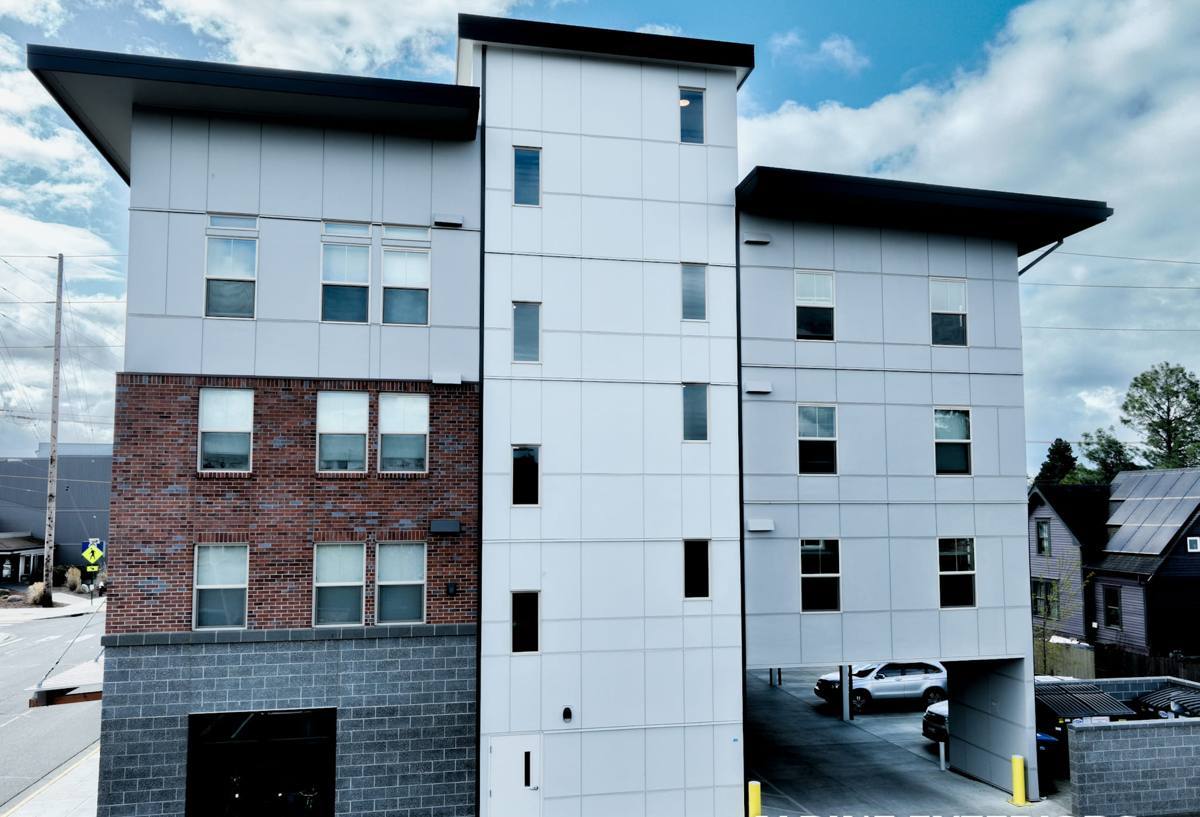
What the Local Climate Does to Siding Over Time
Every siding material eventually shows what a region's climate is made of. In and around Sumas, three factors do most of the damage:
- Driving rain: Wind-driven rain doesn't just wet a wall — it pushes moisture up under laps, around fasteners, and into any gap in the water-resistive barrier. Siding that isn't dimensionally stable, or that isn't installed with correct flashing and clearances, lets that moisture in.
- Salt air: Even at a distance from open water, salt-bearing air corrodes fasteners, degrades some paint systems faster than inland weathering would, and accelerates wear on materials not engineered to resist it.
- Moss and algae season: Long stretches of shade, damp air, and mild temperatures let organic growth establish on siding that stays wet too long — particularly on north-facing walls, under eaves, and near landscaping that blocks airflow.
None of these factors are unique to one house on one street — they're regional. That's exactly why the material and the installation method matter more here than they would in a drier climate.
Why We Install Only James Hardie Fiber Cement
We don't install vinyl, LP SmartSide, Cemplank, Allura, primed spruce, or cedar. That's a deliberate standard, not a lack of options, and it's worth explaining honestly rather than just stating it.
Vinyl is inexpensive and low-maintenance in mild conditions, but it expands and contracts significantly with temperature swings, can warp or crack under prolonged wind-driven rain and impact, and doesn't hold paint if a homeowner ever wants to change the color. LP SmartSide and other wood-strand products perform reasonably when the install is flawless and maintenance is kept up, but they're wood-based — any breach in the factory coating or caulking becomes an entry point for moisture, and in a climate with this much sustained dampness, that margin for error is thin. Cedar is a beautiful, genuinely traditional material, but it requires ongoing refinishing, is vulnerable to moisture absorption and insect activity, and its lifespan depends heavily on maintenance discipline that most homeowners don't keep up for 20+ years.
James Hardie fiber cement is non-combustible, dimensionally stable across temperature and humidity swings, and doesn't absorb water the way wood-based products do. Its ColorPlus factory finish is baked on under controlled conditions rather than field-applied, which means better adhesion and fade resistance than most site-painted siding. Hardie also engineers specific product lines (its HZ5 and HZ10 systems) for different climate zones, so the board itself is matched to the moisture and temperature profile of the region it's installed in. Combined with a strong transferable warranty, it's the system we're willing to put our name behind for a Sumas installation.
What a Correct Installation Actually Involves
Fiber cement siding performs the way it's rated to perform only when it's installed correctly. A rushed or under-specified install can undercut even the best material. The core elements we hold to on every job:
Water Management Behind the Siding
A weather-resistive barrier, correctly lapped and taped, goes on before a single course of siding is hung. Flashing at windows, doors, and any horizontal trim is detailed to shed water outward, not trap it against the sheathing. This layer is invisible once the job is done, but it's the difference between siding that looks fine for a few years and a wall assembly that actually stays dry for decades.
Clearances and Fastening
Hardie's own installation specifications call for minimum clearances from grade, roof lines, decks, and horizontal surfaces so water has somewhere to go instead of wicking up into the board's cut edges. Fasteners need to be the correct type, spaced correctly, and driven to the right depth — overdriven nails crack the board's edge and create a weak point exactly where moisture wants to get in.
Caulking and Sealant Placement
Sealant belongs at specific joints, not everywhere. Over-caulking traps moisture behind the board just as surely as under-caulking lets it in. Knowing which joints need to breathe and which need to be sealed is a detail that separates a correct install from one that just looks finished.
Cut-Edge Treatment
Every field cut on fiber cement siding exposes raw material that isn't factory-finished. Those edges need to be primed or sealed per manufacturer spec before installation — skipping this step is one of the most common ways an otherwise good product starts absorbing moisture at the seams.
Our Process for a Sumas Siding Installation
- On-site assessment: We look at the existing wall assembly, sheathing condition, current moisture or rot issues, and how the house is exposed to prevailing wind and rain.
- Product and line selection: Based on exposure — how much direct weather a given elevation takes, shading, and proximity to landscaping — we recommend the Hardie profile and HZ line suited to that side of the house.
- Removal and substrate check: Old siding comes off and the sheathing underneath gets inspected. Any rot or water damage found at this stage gets addressed before new siding goes up — covering a problem is worse than finding it.
- Weather barrier and flashing installation: This is the step that determines long-term performance more than any other, and we don't shortcut it.
- Siding installation to Hardie spec: Correct clearances, fastening, and cut-edge treatment throughout.
- Final detailing: Trim, caulking at the correct joints, and a walk-through so the homeowner knows what was done and why.
Comparing Siding Options for This Climate
| Factor | James Hardie Fiber Cement | Vinyl | Wood / Cedar |
|---|---|---|---|
| Moisture absorption | Very low | None (but seams/gaps leak) | High if coating fails |
| Dimensional stability | High | Expands/contracts with heat | Moves with humidity |
| Finish durability | Factory-baked ColorPlus finish | Color molded in, fades over time | Requires repainting/staining |
| Fire resistance | Non-combustible | Combustible | Combustible |
| Maintenance burden | Low, periodic washing | Low, but brittle with age | High, ongoing refinishing |
This isn't a claim that other products are without merit — it's an honest look at why fiber cement holds up better under sustained coastal-influenced weather specifically.
Mistakes We See From Prior Installs
When we're called out to a Sumas property with a siding problem, the material itself is rarely the root cause. The usual culprits:
- Missing or improperly lapped weather-resistive barrier behind the siding
- Siding installed too close to grade, decks, or roof lines with no clearance for water to escape
- Unsealed cut edges left exposed after field trimming
- Over-caulked joints that trap moisture instead of letting the assembly dry
- Fasteners overdriven, cracking the board at the fastening point
Every one of these is preventable with correct technique — they're installation failures, not material failures.
Living With Fiber Cement Siding After Installation
Once installed to spec, Hardie siding asks relatively little of a homeowner. Periodic gentle washing keeps organic growth from establishing, especially on shaded or north-facing walls where the local moss season has the most opportunity to take hold. There's no repainting cycle to plan around the way there is with wood siding, since the ColorPlus finish is warrantied against fading and chipping under normal conditions. Keeping gutters clear and landscaping pulled back from the wall so air can circulate goes a long way toward keeping the siding — and the wall behind it — dry through the wet months.
Why Hiring Locally Familiar Crews Matters
Siding specifications are written for general conditions; applying them well in a specific place takes local judgment. A crew that regularly works Whatcom County properties already knows which elevations on a given lot type take the worst of the driving rain, where moss tends to establish first, and how much clearance actually holds up once winter sets in — not just what the manual says on paper. That familiarity shows up in the small decisions made on-site: where to add extra flashing attention, which joints need more careful sealing, and how a house's specific exposure should shape the installation, not just the product choice.
Get a Straight Answer for Your Home
If your Sumas home's siding is aging, showing moss, or you're planning ahead of a remodel, we're glad to take a look and give you a straightforward assessment — no pressure, no upsell to a product we wouldn't put on our own homes. Request a free estimate using the form below and we'll walk you through what your house specifically needs.