 Semiahmoo Siding
 Windows in Sumas Take a Different Kind of Beating
Sumas sits inland from the water, but it still lives inside the same Whatcom County weather system that pushes moisture off the Salish Sea and up the valley for most of the year. Homes here deal with driving rain, long damp shoulder seasons, and low winter sun that keeps moss thriving on anything shaded or north-facing. On top of that, salt-tinged air carried in on strong westerly wind events reaches further inland than most homeowners assume. None of this destroys a window overnight. It wears on frames, sills, and seals slowly, and by the time a window is sticking, fogging between panes, or letting in a draft, the damage has usually been building for years.
Window installation done right in this area isn't just about picking a product out of a catalog. It's about installing that product in a way that respects how water moves around this house, in this yard, in this weather, for the next twenty-plus years.
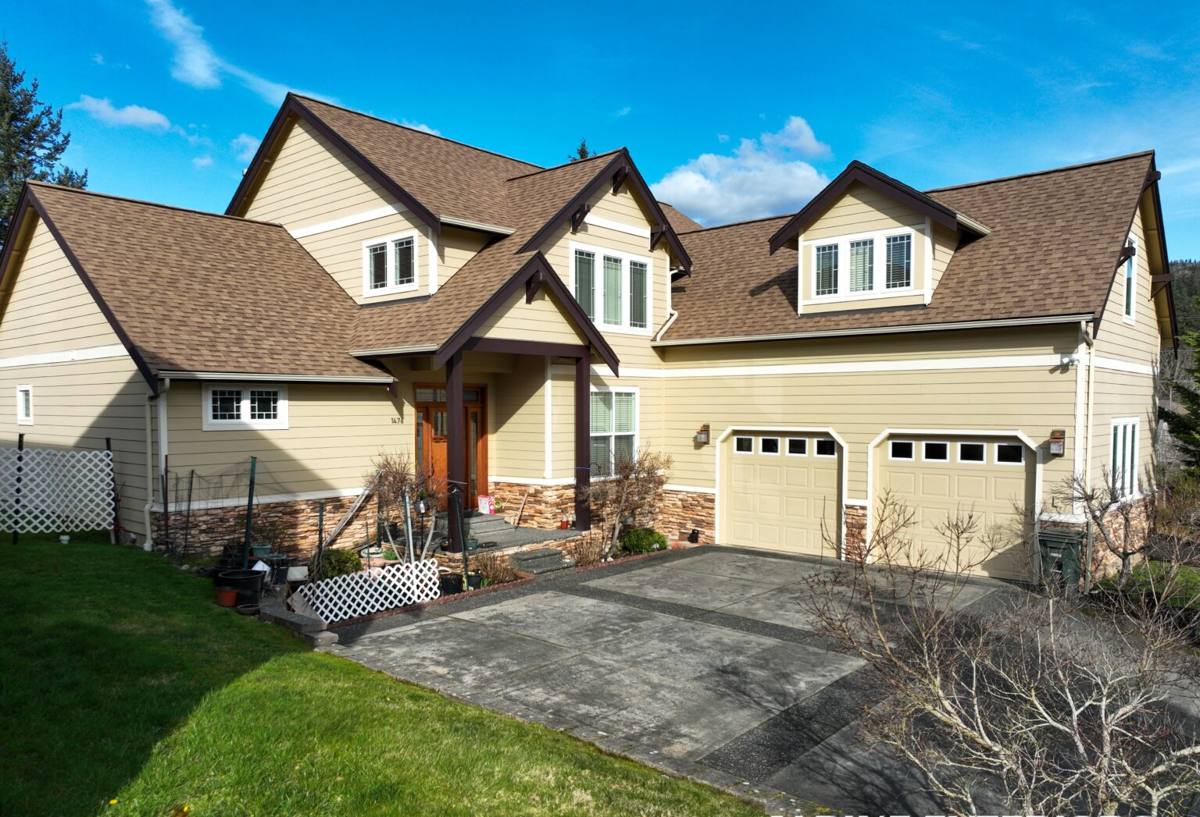
What This Climate Does to a Window Over Time
Driving Rain and Wind-Driven Water
Whatcom County rain rarely falls straight down. Wind pushes it sideways into wall assemblies, and a window opening is the single biggest interruption in that wall. If the flashing, sealant, and drainage path around a window aren't installed correctly, wind-driven rain finds its way behind the trim and into the wall cavity long before anyone notices a stain on the inside. By the time drywall shows damage, the sheathing and framing underneath have often been wet for a season or more.
Salt Air and Coastal Exposure
Properties closer to Semiahmoo and the water see salt-laden air more directly, but it doesn't stop at the shoreline. Salt accelerates corrosion on hardware, hinges, and metal window components, and it can degrade certain sealants and finishes faster than a dry inland climate would. Vinyl and fiberglass frames handle this better than bare or painted wood, which is one reason material choice matters more here than in drier parts of the state.
Moss, Shade, and Trapped Moisture
A long moss season means anything shaded, north-facing, or tucked under overhangs stays damp longer after every rain event. Moss and organic buildup around window sills and trim hold moisture against wood and painted surfaces, which is exactly the condition that causes rot to start. It's a slow process, which is what makes it easy to overlook until a sill is soft or a corner joint has opened up.
Signs a Sumas Home Needs New Windows
Most window failures give warning signs well before a full leak shows up. Worth checking for:
- Fogging or a visible haze between the glass panes (failed seal, lost insulating gas)
- Windows that are hard to open, close, or lock, or that no longer sit flush in the frame
- Soft, discolored, or spongy wood at the sill or bottom corners
- Visible daylight or a noticeable draft around the frame when it's closed
- Peeling paint or bubbling finish on interior trim near the window
- A musty smell in the room, especially after a stretch of wet weather
- Condensation forming on the inside of the glass regularly, even in mild weather
- Noticeable increase in heating costs without another clear cause
What a Correct Window Installation Actually Involves
Flashing and Water Management Come First
The window itself is only part of the system. Proper installation means integrating the window with a drainage plane, using flashing tape or pan flashing at the sill, and lapping materials correctly so any water that gets past the exterior surface drains back out instead of pooling at the bottom of the opening. This step matters more here than almost anywhere else in the state, given how much wind-driven rain the area sees.
Air Sealing and Insulation
Gaps around the window frame need to be sealed and insulated correctly, not just stuffed with whatever's on hand. Over-packing insulation can bow the frame and cause the window to operate poorly, while gaps left open lead to drafts and energy loss. This is a detail-level step that's easy to rush and hard to fix after the trim goes back on.
Fit, Shimming, and Structural Prep
A window has to be shimmed level, plumb, and square in the opening, with the rough opening checked and corrected if needed before the new unit goes in. Skipping this step is a common cause of windows that operate poorly from day one, regardless of how good the product itself is.
Choosing a Window Frame Material for This Area
There's no single "best" frame material for every home, but some hold up better than others given the moisture and salt exposure common in this part of Whatcom County.
| Material | Moisture & Salt Tolerance | Maintenance | Typical Lifespan |
|---|---|---|---|
| Vinyl | Good — won't rot or corrode | Low — occasional cleaning | 20-30 years |
| Fiberglass | Very good — stable in wet, salty conditions | Low | 30-40+ years |
| Wood (unclad) | Poor without diligent upkeep | High — regular painting/sealing | Varies widely with maintenance |
| Aluminum/wood-clad | Good on the exterior face if sealed well | Moderate | 25-35 years |
We generally steer homeowners in this area away from unclad wood exteriors unless they're committed to an ongoing maintenance schedule. It's not that wood is a bad material — it's that the upkeep burden in a wet, salt-exposed climate is real, and a missed maintenance cycle or two is often what starts the rot cycle described above.
Full-Frame Replacement vs. Insert Replacement
There are two common approaches to replacing an existing window, and the right one depends on the condition of the opening, not just preference.
| Approach | What It Involves | Best For |
|---|---|---|
| Insert (pocket) replacement | New window installed inside the existing frame, which stays in place | Openings with sound, dry framing and no water damage |
| Full-frame replacement | Old frame removed down to the rough opening, new flashing and window installed from scratch | Any opening with rot, water staining, or unknown history behind the trim |
Insert replacements are faster and less invasive, but they only make sense if what's behind the old frame is actually in good shape. Given how often shaded, moss-prone openings in this climate hide slow water damage, we check the condition of the opening before recommending either approach rather than defaulting to the cheaper option.
Our Process for a Sumas Window Installation
- On-site assessment of each window opening, including a check for hidden moisture or rot behind existing trim
- Honest recommendation on insert vs. full-frame replacement based on what we actually find, not what's easiest to sell
- Material and product selection suited to the home's exposure — coastal-facing walls sometimes warrant a different choice than a sheltered side of the house
- Removal of the old unit with attention to protecting siding, interior finishes, and landscaping
- Correct flashing and drainage integration at the sill and jambs before the new window goes in
- Proper shimming, leveling, and air sealing of the new unit
- Exterior trim and sealant work finished to shed water, not trap it
- Final walkthrough and operation check on every window installed
Why a Crew That Already Works in Sumas Matters
A contractor who works this stretch of Whatcom County regularly already knows which wall orientations take the worst weather, which older homes tend to have specific framing quirks, and what local permitting and inspection actually require before a crew shows up. That's not something a traveling crew from outside the region picks up on a single job. It shows up in smaller decisions — where extra flashing attention is worth it, which sides of a house need a more moisture-tolerant frame material, how to sequence work around the area's wetter months — that add up to a window installation that actually holds up here, rather than one that was installed correctly for a drier climate and is now being asked to perform in this one.
Cost Factors for Window Installation in the Semiahmoo Area
Costs vary by project, but a few factors consistently move the number up or down:
| Factor | Effect on Cost |
|---|---|
| Insert vs. full-frame replacement | Full-frame costs more due to added labor and materials, but is necessary if the opening has damage |
| Frame material (vinyl, fiberglass, wood-clad) | Fiberglass and clad options typically cost more upfront than standard vinyl |
| Number and size of windows | Larger openings and whole-house projects have better per-window pricing than one-off replacements |
| Extent of hidden water damage found | Rot repair to framing or sheathing adds cost but is not optional once discovered |
| Window style (fixed, casement, double-hung, etc.) | More complex hardware and operating styles generally cost more than fixed units |
We provide a written estimate that breaks these factors down per window, so there's a clear picture of what's driving the price before any work starts.
If you're noticing drafts, fogged glass, or sticking windows on your Sumas-area home, we're happy to take a look and give you a straightforward, no-pressure estimate — just fill out the form below to get started.