 Semiahmoo Siding
 Why Blaine Harbor Windows Wear Out Faster Than Most
Homes around Blaine Harbor sit in one of the more demanding window environments in Whatcom County. The combination of salt-laden air off the water, wind-driven rain that comes in sideways more often than straight down, and a shade-and-damp cycle that runs most of the year adds up to conditions that most window products and installation methods simply were not designed for. A window that performs fine in a drier inland town can start failing within a few years out here if it was not selected and installed with this exposure in mind.
Salt air is the first issue. It corrodes exposed fasteners, pits metal window hardware, and slowly breaks down lesser sealants and finishes. Combine that with near-constant moisture and long stretches of low sun angle, and you get the moss and algae growth that's a fact of life on this stretch of the Washington coast. Moss holds water against surfaces far longer than plain rain does, which means any weak point in a window's flashing or seal gets tested constantly rather than occasionally.
None of this means windows here are doomed to fail early. It means the material, the flashing detail, and the installer's habits matter more in Blaine Harbor than they would twenty miles inland.
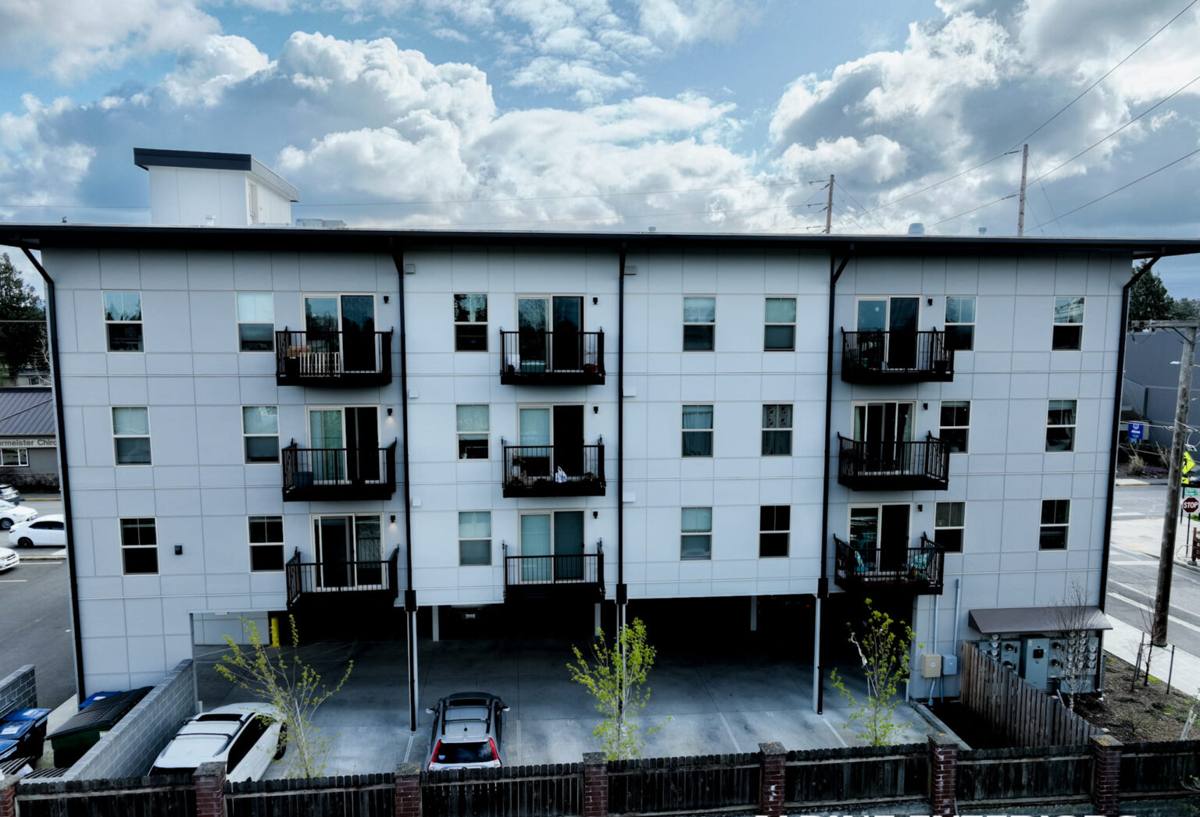
Signs a Blaine Harbor Home Needs Window Replacement, Not Just Repair
Because our climate hides moisture damage behind trim and siding, problems often go unnoticed until they're serious. Before assuming a repair will solve it, look for these signs:
- Soft, spongy, or discolored wood trim or sill around the window frame
- Fogging or a permanent haze between the panes of a double-pane window (a sign the seal has failed)
- Visible gaps between the window frame and siding, or caulk that's cracked and pulling away
- A noticeable draft near the window even when it's fully latched
- Difficulty opening, closing, or locking the window, especially after damp weather
- Moss or dark streaking on the siding directly below a window, suggesting water has been running down the wall rather than being shed by the flashing
- Higher heating bills without a clear cause elsewhere in the house
One or two of these can sometimes be addressed with resealing or minor repair. Several at once, especially soft framing material, usually means the window and its surrounding flashing need to come out and be replaced correctly.
What a Correct Window Replacement Job Involves Here
It's Not Just the Window Unit
A window replacement in a coastal, high-rain area like Blaine Harbor is as much about the water management around the window as it is about the window itself. A high-end window installed with poor flashing will fail the same way a cheap one will, just maybe a season or two later. The parts that actually keep water out are the flashing, the housewrap integration, and the sealant detailing, not the glass.
The Steps That Actually Matter
- Removing the old unit and inspecting the framing, sill, and sheathing underneath for hidden rot before anything new goes in
- Repairing or replacing any damaged framing, rather than installing a new window over compromised wood
- Installing new flashing tape and pan flashing at the sill so any water that does get past the window sheds outward, not into the wall cavity
- Integrating the new flashing correctly with the existing house wrap or weather barrier, lapped in the right order (shingle-style, top over bottom)
- Setting the window plumb, level, and square, then securing it per the manufacturer's fastening schedule
- Sealing the exterior with a high-quality, UV- and salt-resistant sealant at the joints, not just a bead of standard caulk
- Re-trimming and matching existing siding or trim details so the finished look is consistent with the rest of the house
Skipping the framing inspection is the most common shortcut that causes trouble later. If rot is sealed behind a brand-new window, it keeps spreading where nobody can see it.
Choosing Materials That Hold Up to Salt Air and Moss Season
There's no single "best" window material for every home, but some hold up to this specific environment better than others. The table below reflects the honest trade-offs we walk homeowners through.
| Frame Material | Coastal/Salt Air Performance | Maintenance Needs | Notes |
|---|---|---|---|
| Vinyl | Good — won't corrode or rot, handles salt exposure well | Low; occasional washing | Most common choice for full replacement in this area; wide range of quality tiers |
| Fiberglass | Very good — dimensionally stable, resists warping from moisture cycling | Low | Higher upfront cost, strong long-term value in high-exposure spots like Blaine Harbor |
| Aluminum | Fair — prone to corrosion and pitting near salt air unless properly coated | Moderate | We're selective about where we recommend this near the water |
| Wood / Wood-Clad | Requires diligent upkeep — attractive but vulnerable to the moisture and moss cycle here | High | Can work with a disciplined maintenance schedule; not our default recommendation this close to the harbor |
We're not against any of these products outright — it's about matching the material's maintenance demands to how much upkeep a homeowner realistically wants to keep up with, given how much moisture this area sees for most of the year.
Glass and Hardware Details Worth Getting Right
Beyond the frame, a few glass and hardware choices make a real difference in a home exposed to driving rain and salt spray:
- Dual or triple-pane glass with an intact seal is non-negotiable here — it's the first thing that fails if a window was poorly stored or installed, and it's expensive to fix after the fact
- Low-E coatings help with heat retention during our cooler, damp months without much added cost
- Stainless steel or corrosion-resistant hardware on locks, hinges, and cranks lasts longer against salt air than standard-grade fittings
- Weep hole design that actually drains rather than trapping water at the sill — this is a detail that's easy to get wrong on a cheap installation
Our Process for a Blaine Harbor Window Replacement
We keep the process straightforward and try not to waste a homeowner's time with upsells they don't need:
- Walkthrough and assessment — we look at each window's condition, the surrounding trim and framing, and how exposed that side of the house is to wind and rain
- Honest recommendation — replacement where it's warranted, repair where that's genuinely the better call
- Measurement and material selection — matched to the home's exposure, not a one-size-fits-all package
- Installation — following the flashing and sealing sequence above, with framing repaired as needed along the way
- Final check and cleanup — operation, seal, and trim all confirmed before we consider the job done
Why Local Experience in This Exact Area Matters
Blaine Harbor's exposure isn't uniform across the neighborhood — homes closer to the water take a different beating than those set back with more tree cover, and tree cover of its own brings the shade and dampness that feeds moss growth. A crew that already works this stretch of Whatcom County has a feel for which walls need extra attention, which framing details tend to hide rot, and how much sealant and flashing margin to build in versus what a manufacturer's minimum spec calls for.
That local pattern recognition is hard to replicate for a crew coming from a drier part of the state for a one-off job. It shows up in small decisions — how a flashing detail is lapped, how much slope is built into a sill pan, which hardware grade is worth the upgrade — that don't show up on a quote but do show up five years later.
After Installation: Keeping Windows Performing in This Climate
A correctly installed window in Blaine Harbor still benefits from a little seasonal attention:
- Rinse salt residue off exterior frames and glass periodically, especially after storms
- Keep gutters and downspouts clear so runoff isn't sheeting directly down the wall near windows
- Clear moss or debris that accumulates on sills or nearby trim before it holds moisture against the frame
- Check exterior caulk lines annually and have any cracking resealed before the rainy season sets in
- Operate locks and cranks occasionally through the winter so hardware doesn't seize up from disuse and moisture
None of this is heavy maintenance — it's the difference between a window that looks and performs like new after a decade and one that starts showing problems in year four.
Get a Straight Answer About Your Windows
If you're dealing with drafts, fogged glass, soft trim, or just windows that are past their working life on a Blaine Harbor home, we're happy to take a look and give you an honest read on repair versus replacement — no pressure, no inflated scope. Use the form below to request a free estimate.